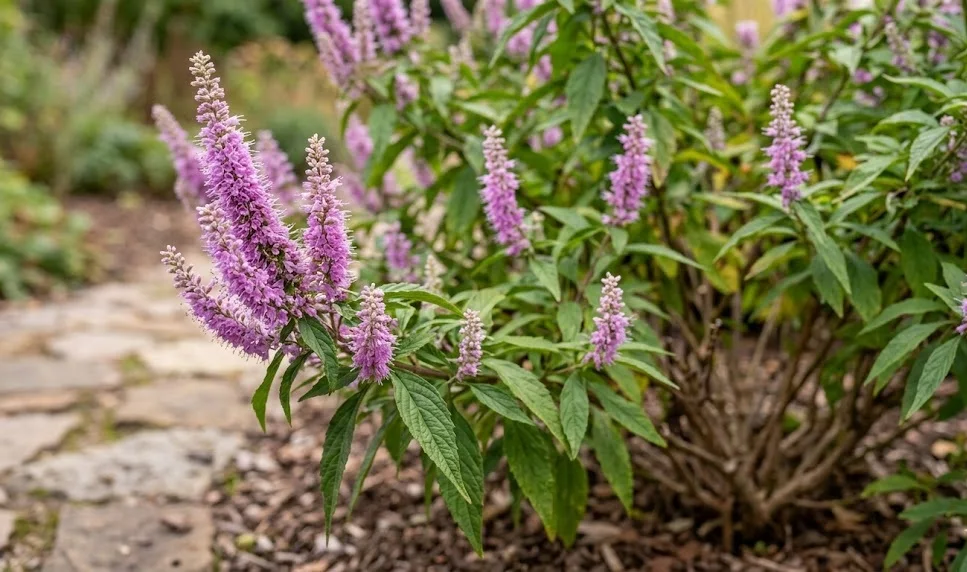

The late mint shrub is generally a hardy plant, but it can fall victim to several fungal diseases if the environmental conditions are unfavorable. Powdery mildew is perhaps the most frequent issue, appearing as a white, flour-like coating on the surface of the leaves and stems. This fungus thrives in environments with high humidity and poor air circulation, particularly during the transition from summer to autumn. You should regularly inspect the inner branches of your shrub to catch any early signs of infection before it spreads significantly.
Rust is another fungal pathogen that can occasionally affect the foliage of this aromatic species, causing small orange or yellow spots on the undersides of the leaves. These spots contain spores that can be carried by the wind to neighboring plants, potentially causing a larger outbreak in your garden. If left untreated, the infected leaves may turn brown and drop prematurely, which weakens the overall health of the shrub. Maintaining a clean garden environment by removing fallen leaves is a primary step in preventing the recurrence of rust.
Leaf spot diseases can also manifest as dark, water-soaked lesions that eventually develop into dry, brittle patches on the foliage. These pathogens often gain a foothold when the leaves remain wet for extended periods, such as after heavy rain or evening watering. While a minor infection might only be an aesthetic concern, a severe case can lead to significant defoliation and reduced vigor. You should prioritize watering techniques that keep the leaves dry and ensure that the plant has enough space for air to move freely.
Root rot is a much more serious condition that occurs when the soil remains saturated for too long, depriving the roots of necessary oxygen. The symptoms often include a general wilting of the plant that does not improve after watering, accompanied by a yellowing of the lower leaves. By the time the above-ground symptoms are visible, the damage to the root system is often quite extensive and difficult to reverse. Choosing a well-drained planting site and avoiding over-irrigation are the best defenses against this destructive soil-borne pathogen.
Preventing root rot and environmental stress
Managing the moisture levels in the soil is the single most important factor in preventing the onset of root-related diseases. You must ensure that the planting area has excellent drainage and does not collect standing water after a heavy downpour. If your garden has heavy clay soil, you might consider planting the mint shrub in a raised bed or on a slight mound to encourage runoff. These simple structural adjustments can make a significant difference in the long-term survival of the plant.
More articles on this topic
Environmental stress, such as extreme heat or prolonged drought, can weaken the plant’s natural immune system and make it more susceptible to infections. When a shrub is struggling to find water, it allocates fewer resources to producing the defensive compounds that ward off fungi and bacteria. You should provide consistent care during the hottest parts of the year to keep the plant’s energy levels high and its defenses active. A healthy, well-hydrated shrub is much more likely to resist pathogens than one that is constantly under duress.
Mulching is a double-edged sword when it comes to disease prevention, as it provides many benefits but can also harbor pathogens if not managed correctly. You should use clean, high-quality mulch and avoid piling it directly against the main stems of the shrub. This “mulch volcano” effect creates a damp environment against the bark that can encourage the development of collar rot and other trunk-based issues. Keeping a small gap between the mulch and the plant’s base allows the bark to stay dry and healthy.
Proper air circulation is a mechanical defense that many gardeners overlook when planning their landscape layouts. You should avoid overcrowding the late mint shrub with other dense perennials or structures that block the natural flow of air. Pruning the center of the shrub to remove thin or crossing branches can also help to open up the canopy and reduce internal humidity. These proactive maintenance tasks create a microclimate that is far less hospitable to the spores of most common garden fungi.
Major insect pests and management
Aphids are small, sap-sucking insects that frequently congregate on the tender new growth of the mint shrub in the early spring. They can cause the leaves to curl and become distorted, and they also excrete a sticky substance known as honeydew. This honeydew can attract ants and provide a medium for the growth of sooty mold, further damaging the appearance of the plant. You can often manage a small infestation by simply spraying the insects off the branches with a strong stream of water from a garden hose.
More articles on this topic
Spider mites are a common problem during hot, dry weather when the humidity levels drop significantly in the garden. These tiny pests are difficult to see with the naked eye, but their presence is often signaled by a fine webbing on the undersides of the leaves. They feed by piercing the plant cells and sucking out the contents, resulting in a characteristic stippling or yellowing of the foliage. Regularly misting the shrub during dry spells can help to discourage spider mites, as they prefer dusty and arid conditions.
Whiteflies are another sap-sucking pest that can occasionally be found fluttering around the mint shrub when the branches are disturbed. Like aphids, they can weaken the plant over time and contribute to the spread of viral diseases between different species in your garden. You should monitor the undersides of the leaves for the presence of their small, oval larvae, which are the most damaging life stage. Encouraging natural predators like ladybugs and lacewings is an effective way to keep whitefly populations under control without using harsh chemicals.
Leafhoppers are highly mobile insects that can cause a condition known as “hopperburn,” where the leaf edges turn brown and curl upward. These pests move quickly and can be difficult to target directly, making prevention and environmental management even more important. While they rarely kill a healthy mint shrub, a large population can significantly reduce the plant’s aesthetic value and overall growth rate. Keeping the garden free of weeds that serve as alternative hosts for leafhoppers can help to limit their impact on your prized specimens.
Integrated pest management strategies
A professional approach to pest control involves a combination of biological, cultural, and mechanical methods rather than relying solely on chemical sprays. You should start by creating a garden environment that attracts beneficial insects that naturally prey on common pests. Planting a diversity of flowering species nearby will provide a habitat for predatory wasps, hoverflies, and beetles that act as a natural security force. This ecological balance reduces the need for human intervention and promotes a more resilient and sustainable landscape.
Mechanical control methods, such as hand-picking larger pests or using physical barriers, can be highly effective for small-scale infestations. If you notice a few caterpillars or beetles on your shrub, simply removing them and disposing of them elsewhere is often enough to solve the problem. You can also use yellow sticky traps to monitor the levels of flying pests like whiteflies and leafhoppers throughout the season. These simple tools provide valuable data on which pests are active and when you might need to take further action.
Cultural practices are the foundation of any successful integrated pest management program for the late mint shrub. By providing the plant with the ideal light, water, and nutrient conditions, you ensure it remains strong and capable of defending itself. A stressed plant sends out chemical signals that can actually attract certain pests, making proper care a vital part of your defense strategy. You should also practice good garden hygiene by removing any diseased plant material and cleaning your pruning tools regularly.
If chemical intervention becomes necessary, you should prioritize the use of selective, low-toxicity products like insecticidal soaps or neem oil. These substances are effective against many soft-bodied pests while having a minimal impact on beneficial insects and the surrounding environment. You must always read and follow the application instructions carefully to ensure the safety of yourself and your garden ecosystem. Applying these treatments in the evening when pollinators are less active further reduces the risk of harming non-target species.
Restoring plant health after infestation
Once a pest or disease issue has been successfully managed, the focus shifts toward helping the late mint shrub recover its former strength. You should provide a light application of a balanced fertilizer to give the plant the nutrients it needs to produce new, healthy foliage. Be careful not to over-fertilize, as the plant may still be in a somewhat weakened state and unable to process a sudden surge of nitrogen. A gentle approach allows the shrub to rebuild its energy reserves at a natural and sustainable pace.
Pruning away the most damaged parts of the plant can help to stimulate new growth and improve the overall appearance of the shrub. You should remove any leaves that are heavily scarred or stems that have been severely weakened by boring insects or fungal decay. This cleanup process allows the plant to direct its energy toward its healthy tissues rather than trying to maintain dying parts. Always use sharp, clean tools to ensure the cuts heal quickly and do not become a secondary source of infection.
Monitoring the plant closely during the recovery phase is essential for catching any potential relapses or secondary infections. The stress of an infestation can sometimes leave the plant vulnerable to other issues that it would normally be able to handle. You should continue to provide consistent water and ensure the mulch layer is in good condition to protect the root zone. Patience is key during this period, as it may take several weeks or even a full season for the shrub to completely bounce back.
Learning from the experience is the final step in the restoration process for any professional gardener. Take the time to evaluate what environmental factors might have contributed to the outbreak and how you can adjust your care routine in the future. Perhaps the plant needed more water, or maybe the surrounding vegetation had grown too thick, blocking the essential air circulation. By making these small adjustments, you turn a negative event into a valuable lesson that will improve the health of your entire garden.