
The late mint shrub is a plant that truly thrives when it is bathed in the warmth and intensity of full sunlight for the majority of the day. For a professional gardener, “full sun” typically means a minimum of six to eight hours of direct, unfiltered exposure to the sun’s rays. This high level of light energy is the primary fuel for the plant’s metabolic processes, including the production of its characteristic aromatic oils. When the shrub receives adequate light, it develops a much tighter and more attractive growth habit compared to specimens grown in the shade.
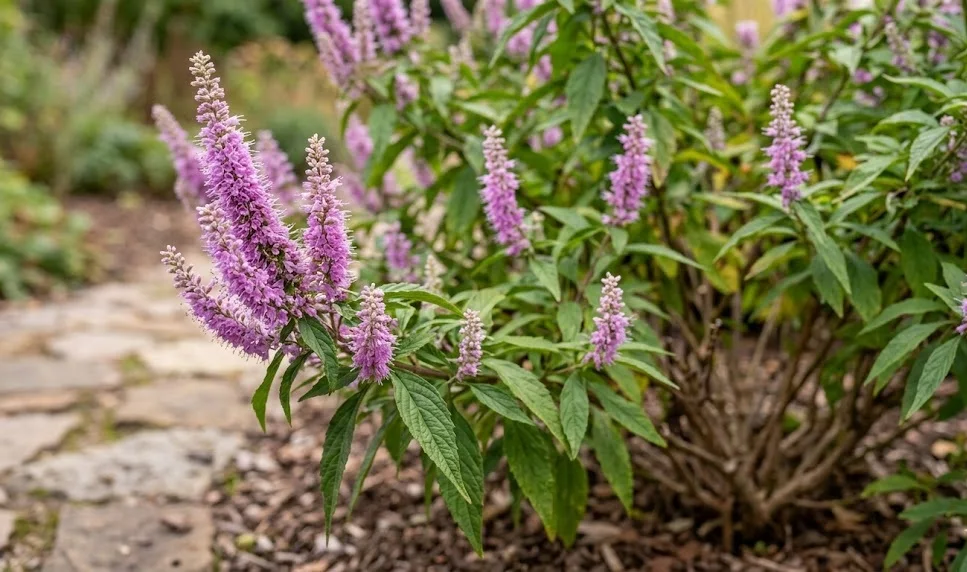
One of the most noticeable benefits of a sunny location is the dramatic increase in the quantity and quality of the autumn flower spikes. The plant requires a significant amount of energy to produce its vibrant purple blooms, and this energy is harvested directly through photosynthesis in the leaves. In a shaded environment, the shrub may produce foliage but will likely struggle to create a meaningful floral display. You should prioritize the sunniest spots in your landscape for this species to ensure it can reach its full decorative potential.
The stems of a sun-grown mint shrub are significantly stronger and more resilient than those grown in low-light conditions. Sunlight encourages shorter internodes—the space between leaves—which results in a sturdier framework that can support the weight of the flowers and resist wind damage. In contrast, plants seeking more light will often become “leggy,” with long, weak stems that are prone to flopping over during summer storms. Maintaining structural integrity through proper light exposure reduces the need for artificial staking or support systems.
Finally, the overall health and pest resistance of the plant are closely tied to its access to sunlight. Sun-exposed leaves dry off more quickly after rain or dew, which naturally inhibits the growth of fungal pathogens like powdery mildew. Furthermore, the thick, healthy cuticle of a sun-grown leaf is more difficult for some sucking insects to penetrate. By placing your late mint shrub in a bright, open position, you are utilizing the sun as a natural preventative measure against many common garden issues.
Managing partial shade conditions
While full sun is ideal, the late mint shrub can adapt to partially shaded conditions, provided it still receives several hours of bright light. In these environments, you may notice that the plant grows a bit taller and more open as it stretches toward the available light source. You should be prepared to perform more regular pruning to maintain a dense shape if your garden does not offer a perfectly sunny spot. Professional monitoring of the plant’s form will tell you whether it is receiving enough light to remain structurally sound.
More articles on this topic
Partial shade can actually be beneficial in regions with extremely hot and dry summer climates where the afternoon sun might be too intense. A location that provides bright morning light but offers some dappled shade during the heat of the afternoon can help to prevent leaf scorch. If you notice the leaf edges turning brown or the plant wilting excessively every afternoon, it may be receiving more heat than it can handle. In such cases, providing a bit of overhead protection can keep the plant looking fresh and vibrant throughout the peak of the season.
The color of the foliage and the intensity of the scent may vary slightly when the plant is grown in less than full sun. The leaves might take on a deeper green hue as the plant produces more chlorophyll to compensate for the lower light levels. However, the concentration of the aromatic compounds is often highest in plants that are stressed by a bit more sun and heat. You should consider which aspect of the plant—the foliage density or the fragrance intensity—is more important for your specific garden design goals.
When planting in a partially shaded area, it is crucial to ensure that the air circulation remains excellent to offset the slower drying times of the leaves. Avoid placing the shrub in a “dead zone” where both light and air movement are restricted by walls or dense overhanging trees. You can help the plant by thinning out the canopy of nearby trees to allow more filtered light to reach the shrub’s leaves. This careful management of the surrounding environment allows the mint shrub to succeed even in less-than-perfect lighting conditions.
Impact of light on blooming quality
The timing of the flowering period is directly influenced by the duration and intensity of the light the plant receives throughout the summer. A specimen grown in a prime sunny location will typically begin its blooming cycle earlier and continue for a longer duration than one in a shaded spot. The development of the flower spikes is a complex process that relies on the plant reaching a certain threshold of accumulated solar energy. You can track this progress by observing the formation of the terminal buds as the days begin to shorten in late August.
More articles on this topic
Light intensity also plays a major role in the saturation and brilliance of the purple color of the flower spikes. The pigments that give the flowers their hue are often produced in greater quantities when the plant is exposed to high levels of ultraviolet light. This results in a much more striking visual impact that can be seen from across the garden, attracting both human admirers and pollinators. If the flowers appear pale or washed out, it is often a sign that the plant is not receiving the light it needs to produce these pigments.
The attraction of pollinators is another critical aspect of the plant’s life cycle that is enhanced by proper light exposure. Bees and butterflies are naturally more active in sunny, warm areas of the garden where they can maintain their body temperature while foraging. By placing the mint shrub in the sun, you ensure that its flowers are easily accessible and visible to these essential visitors. This ecological interaction is a vital part of a healthy garden and adds a layer of dynamic movement to your autumn landscape.
In conclusion, while the late mint shrub is a flexible and resilient species, its true glory is unlocked by the sun. You should view light as one of the most important “nutrients” you provide to the plant, alongside water and minerals. Every hour of sunlight the plant receives is an investment in its structural strength, its health, and its spectacular end-of-season performance. By carefully selecting the right light environment, you ensure that your gardening efforts are rewarded with a truly professional-grade display.