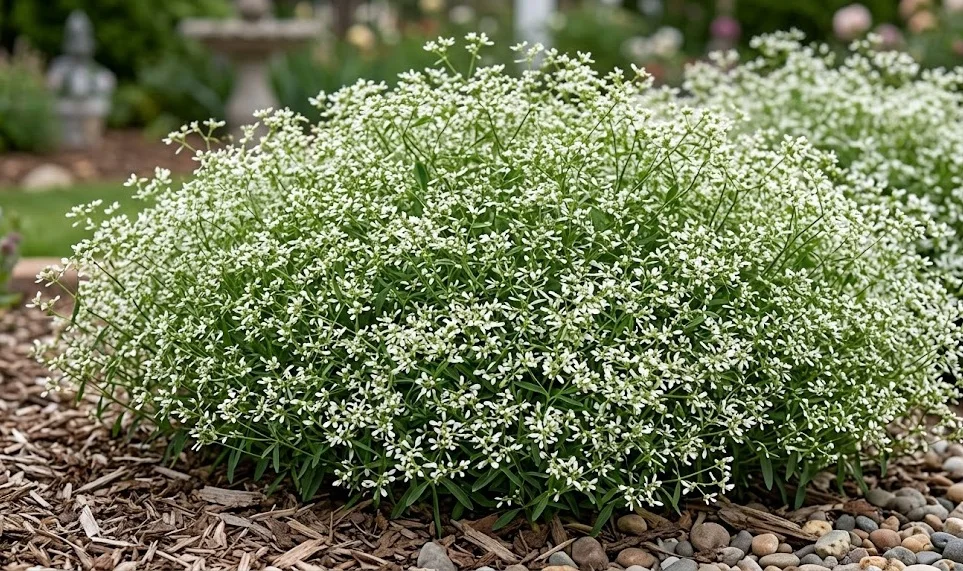

Protecting garden spurge from diseases and pests is a vital part of ensuring its long-term survival and aesthetic appeal. While this plant is naturally resistant to many common garden problems due to its toxic sap, it is not entirely immune to environmental stressors. Identifying issues early and understanding the biological factors at play can prevent minor problems from becoming major infestations. By maintaining a clean garden environment and using targeted treatments, you can keep your garden spurge in peak condition throughout the year.
Identifying common fungal infections
Powdery mildew is one of the most frequent fungal issues that can affect the foliage of garden spurge. You will notice a white, flour-like dusting appearing on the surface of the leaves, especially during humid weather. This fungus thrives in stagnant air and can eventually cause the leaves to yellow and drop prematurely. Improving the airflow around the plant is often the most effective way to manage and prevent this unsightly problem.
Root rot is a much more serious condition that usually results from overly wet soil or poor drainage. You might see the plant suddenly wilting even though the soil is wet, or notice a darkening of the stems at the soil line. If you suspect root rot, you should immediately reduce watering and check the drainage of the planting site. In some cases, you may need to lift the plant and cut away any mushy, blackened roots to save it.
Grey mold, or Botrytis, can sometimes attack the flowers and tender new growth during periods of cool, wet weather. You will see fuzzy grey patches and a general softening of the plant tissues in the affected areas. It is important to remove and dispose of any infected material immediately to prevent the spores from spreading to healthy parts. Avoid overhead watering, as keeping the foliage dry is a key defense against this opportunistic fungus.
Rust is another fungal disease that occasionally presents as small, orange or brown pustules on the undersides of the leaves. While it rarely kills the plant, it can significantly weaken it and ruin the ornamental value of the foliage. You should avoid planting garden spurge too closely to other susceptible species that might harbor the disease. Regular inspections allow you to catch these fungal “pioneers” before they establish a large colony in your garden.
More articles on this topic
Managing common insect pests
Aphids are small, sap-sucking insects that can sometimes be found clustered on the soft new growth of garden spurge. You might notice distorted leaves or a sticky residue known as honeydew on the foliage when they are present. While they are usually a minor nuisance, a large population can sap the plant’s energy and introduce viral diseases. A strong blast of water from a garden hose is often enough to dislodge these pests without using chemicals.
Spider mites are tiny arachnids that thrive in hot, dry conditions and can cause the foliage to look stippled or bronzed. You should look for very fine webbing between the leaves as a clear sign of their presence in the garden. Keeping the area around the plant hydrated and occasionally misting the leaves can help discourage these moisture-hating pests. If the infestation is severe, you may need to use a specialized insecticidal soap or neem oil treatment.
Mealybugs can occasionally hide in the crevices of the stems, appearing as small, white, cottony masses. These pests suck the life out of the plant and can be difficult to eradicate if they find a secure hiding spot. You should use a cotton swab dipped in rubbing alcohol to manually remove them if you only see a few. For larger outbreaks, systemic treatments might be necessary to reach the insects that are tucked away in the plant’s architecture.
Slugs and snails usually avoid garden spurge due to its irritating sap, but they may still cause occasional damage to very young seedlings. You might see large, irregular holes in the leaves or tell-tale slime trails across the soil surface. Creating a barrier of crushed eggshells or using organic slug pellets can protect vulnerable young plants during the rainy season. Once the plant matures and its sap becomes more concentrated, these pests typically move on to tastier targets.
More articles on this topic
Environmental and physiological disorders
Edema is a physiological condition that occurs when the plant takes up more water than it can transpire through its leaves. You will see small, corky bumps or blisters forming on the undersides of the foliage, which can eventually turn brown. This is often a sign that the humidity is too high or the soil is staying consistently too wet for the plant’s liking. Adjusting your watering schedule and improving ventilation will usually stop new blisters from forming.
Sunscald can occur if a plant that has been in a shaded spot is suddenly moved into intense, direct sunlight. You might notice bleached or papery patches on the leaves that face the afternoon sun, which indicates tissue damage. To prevent this, you should always gradually acclimate your garden spurge to higher light levels over a period of several days. Once the damage is done, the affected leaves will not recover, but new growth will be better adapted to the sun.
Nutrient toxicities or deficiencies can mimic the symptoms of disease and should always be considered during a diagnosis. For example, too much fertilizer can cause the leaf tips to turn brown and crispy, a condition often called “fertilizer burn.” On the other hand, a lack of certain minerals can lead to strange patterns of yellowing or stunted growth. Careful observation of the entire plant will help you distinguish between a biological infection and a chemical imbalance.
Frost damage can cause the stems of garden spurge to become black and mushy after a particularly cold night. You should resist the urge to cut back the damaged parts immediately, as they can provide some protection for the living tissue underneath. Wait until the danger of frost has completely passed before cleaning up the plant in the early spring. Understanding how your local weather affects the plant’s physiology is essential for accurate problem-solving in the garden.
Prevention and cultural controls
The best way to manage pests and diseases is to prevent them from ever establishing a foothold in your garden. You should always start with healthy, high-quality plants from a reputable nursery and inspect them thoroughly before planting. Quarantining new additions for a week or two can help ensure you aren’t accidentally introducing a problem to your established beds. A strong, healthy plant is always its own best defense against opportunistic invaders.
Sanitation is a critical part of maintaining a disease-free environment for your garden spurge and its neighbors. You should regularly remove fallen leaves and spent flowers, as these can harbor fungal spores and provide hiding places for pests. Always use clean, sterilized tools when pruning or taking cuttings to avoid spreading pathogens from one plant to another. Simple habits like cleaning your shears with alcohol between plants can save you a lot of trouble in the long run.
Crop rotation or strategic planting can also help break the lifecycle of certain soil-born diseases and persistent pests. You should avoid planting garden spurge in the exact same spot where a previously diseased plant was located. Diversity in the garden encourages beneficial predators like ladybugs and lacewings that help keep pest populations under control naturally. Working with nature’s own checks and balances is often more effective than relying solely on chemical interventions.
Proper spacing and site selection remain the most powerful cultural controls at your disposal as a gardener. You should ensure that each plant has enough room to grow to its full size without touching its neighbors, which prevents disease transmission. Selecting a site with the right amount of light and drainage significantly reduces the stress on the plant, making it less attractive to pests. An ounce of prevention in the planning stage is truly worth a pound of cure later on.
Safe treatment options
When an intervention is necessary, you should always start with the least toxic option available to protect the local ecosystem. Horticultural oils and insecticidal soaps are very effective against many common pests while being relatively safe for humans and pets. You must follow the instructions carefully and avoid applying these products during the heat of the day to prevent leaf burn. These contact treatments are excellent for managing small outbreaks before they grow out of control.
Fungal issues can often be managed with organic fungicides based on sulfur or copper, provided they are used correctly. You should apply these treatments at the first sign of infection and repeat the application as directed on the label. Remember that these products are mostly preventative and work best by protecting healthy tissue from new spores. Consistent application is the key to successfully halting the spread of a persistent fungal disease.
Biological controls, such as introducing beneficial insects or using microbial soil additives, are becoming increasingly popular for home gardens. You might find that releasing predatory mites is a highly effective way to manage a stubborn spider mite problem without chemicals. These natural solutions help maintain a healthy balance in your garden and reduce your reliance on synthetic pesticides. It is a more holistic approach that supports the long-term health of the entire environment.
If you must use stronger chemical treatments, you should do so as a last resort and with extreme caution for the surrounding wildlife. Always read the entire label and wear protective gear to ensure you are using the product safely and legally. Be mindful of flowering times to avoid harming bees and other pollinators that may visit your garden spurge. Responsible treatment ensures that your garden remains a healthy and beautiful space for everyone to enjoy.