
The late mint shrub stands out as a unique addition to any temperate garden due to its aromatic foliage and late-season blooms. Integrating this woody perennial requires a clear understanding of its growth habits and environmental preferences to achieve the best results. Professional gardeners often value this species for its ability to provide structure and color when most summer flowers have already finished their cycle. Careful attention to the initial setup will determine how well the plant adapts to its new permanent location over the coming years.
Establishing the right microclimate is essential for ensuring the long-term health and vitality of your mint shrub. It prefers a spot that offers protection from harsh, drying winds while still allowing for excellent air circulation around the branches. Stagnant air can lead to moisture-related issues, so placing it near open fences or as part of a staggered border is often ideal. You should observe the garden throughout the day to confirm that the chosen site meets these specific atmospheric requirements.
Soil quality plays a pivotal role in the metabolic processes and root development of this particular shrub variety. It performs best in loamy, well-draining soils that are rich in organic matter but not overly saturated with heavy clay. If your garden soil is naturally dense, you might consider incorporating coarse sand or compost to improve the overall structure. A neutral to slightly acidic pH level provides the most favorable chemical environment for nutrient uptake and root respiration.
Long-term success with this plant involves regular monitoring of its growth rate and the appearance of its serrated leaves. Healthy specimens will display a vibrant green hue and a bushy, upright form that resists drooping even during the heat of late summer. Any signs of discoloration or stunted growth should be addressed immediately by evaluating the surrounding environmental factors. Consistent care during the first two years of establishment will create a robust plant capable of thriving for many decades.
Seasonal maintenance routines
Spring marks the beginning of the active growth phase when the shrub requires a fresh layer of organic mulch to retain moisture. As the ground warms up, you should clear away any debris or fallen leaves from the previous autumn to prevent pest nesting. This is also the perfect time to check for any winter damage that may have occurred during the dormant months. Early season maintenance sets the stage for a productive year and ensures the plant has the resources it needs to expand.
More articles on this topic
Throughout the summer, the focus shifts toward maintaining a steady growth pace through consistent hydration and monitoring. While the plant is relatively hardy, extreme heatwaves can cause stress that might affect the quality of the upcoming autumn flowers. You should keep an eye on the foliage for any wilting, which is a primary indicator that the plant is struggling with high temperatures. Providing a bit of extra care during these peak months will result in a much more impressive floral display in September.
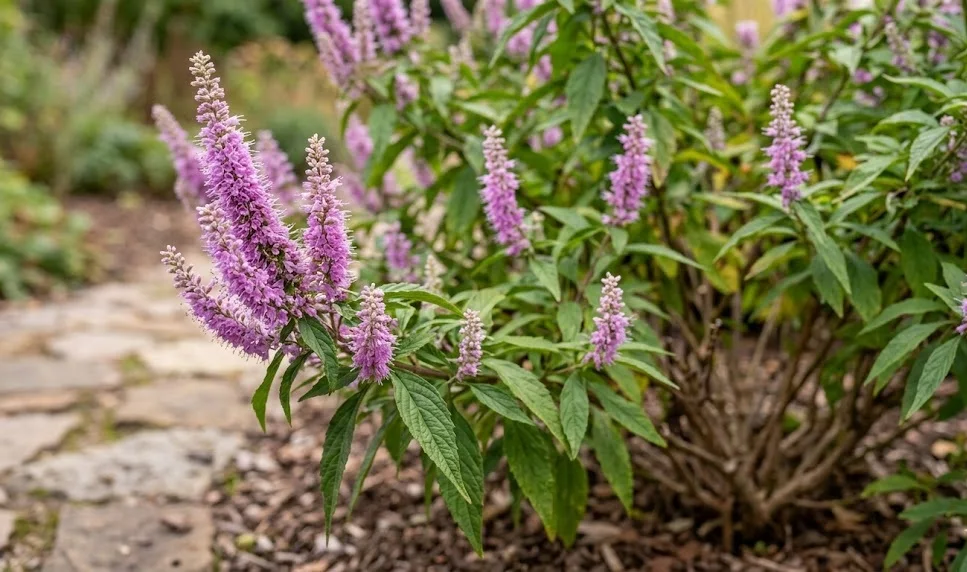
When autumn arrives, the mint shrub finally takes center stage with its beautiful purple flower spikes and minty fragrance. This is the period when the plant’s energy is most focused on reproduction and attracting beneficial pollinators like bees and butterflies. You should avoid any heavy intervention during the blooming phase to let the natural beauty of the shrub shine. Observing the floral development provides valuable insights into whether the care provided throughout the year was sufficient.
As winter approaches and the temperature drops, the plant begins its transition into a dormant state to survive the cold. You should leave the spent flower heads on the plant for a few weeks to provide visual interest and potential food for birds. Once the first hard frost hits, the foliage will eventually turn brown and fall away, signaling the end of the yearly cycle. Preparing the base of the plant for the freezing months ahead is a crucial step in ensuring a successful return next spring.
Soil management and nutrition
Maintaining the correct soil texture is a continuous process that involves more than just the initial planting phase. Over time, the soil can become compacted, which limits the amount of oxygen reaching the root system of your shrub. You can gently aerate the area around the drip line once a year to keep the earth loose and permeable. This simple mechanical intervention helps the roots to spread more easily and absorb water with greater efficiency.
More articles on this topic
Nutrient availability is a key factor in the production of the oils that give the leaves their characteristic scent. A balanced approach to feeding ensures that the plant does not grow too rapidly at the expense of its structural integrity. You should look for slow-release fertilizers that provide a steady stream of nitrogen, phosphorus, and potassium throughout the growing season. Avoiding high-nitrogen spikes is important, as this can lead to weak, leggy stems that are prone to breaking.
Organic amendments such as well-rotted manure or leaf mold are highly beneficial for improving the biological activity of the soil. These materials introduce beneficial microbes and fungi that work in harmony with the plant’s roots to process minerals. By fostering a living soil ecosystem, you reduce the need for synthetic chemicals and promote a more sustainable garden environment. Applying these amendments in the early spring allows them to break down and become available just when the plant needs them most.
Water retention and drainage must be kept in perfect balance to prevent the roots from becoming waterlogged or completely desiccated. The use of high-quality mulch not only suppresses weeds but also helps to regulate the temperature of the root zone. You should choose a mulch material that decomposes slowly, such as wood chips or shredded bark, to provide long-lasting benefits. Monitoring the moisture levels at a depth of a few inches will give you a clear picture of the soil’s current state.
Strategic placement in the landscape
Integrating the late mint shrub into a garden design requires a thoughtful look at its eventual size and spread. It typically reaches a height and width of about one to one and a half meters, making it a perfect mid-border plant. You should space it far enough from other large perennials to ensure it doesn’t get crowded out as it matures. Giving each plant its own defined area allows its rounded shape and texture to be fully appreciated from all angles.
The aromatic nature of the foliage makes this shrub an excellent choice for placement near walkways or seating areas. When visitors brush against the leaves, a pleasant, mint-like fragrance is released into the air, enhancing the sensory experience of the garden. You might also consider planting it in groups of three or five to create a more dramatic visual impact during the blooming season. The purple spikes contrast beautifully with silver-leaved plants or late-blooming yellow perennials like rudbeckia.
In terms of functional landscaping, the dense growth habit of the mint shrub can serve as a soft low hedge or a natural screen. It provides a sense of privacy and enclosure without the rigid formality of traditional evergreen hedging plants. You can use it to define different zones within your garden, such as separating a vegetable patch from a relaxation area. The deciduous nature of the plant means it will provide a different look for every season, keeping the landscape dynamic.
Compatibility with other plant species is another important consideration for a professional garden layout. The late mint shrub pairs exceptionally well with ornamental grasses that provide a fine-textured backdrop to its coarser leaves. You should select companions that share similar water and light requirements to simplify your overall maintenance routine. By choosing the right neighbors, you create a cohesive plant community that supports local biodiversity while looking aesthetically pleasing.
Promoting floral abundance
The timing and quality of the blooms are the most anticipated aspects of growing this particular garden shrub. To encourage a profusion of flower spikes, the plant must receive adequate sunlight during its vegetative growth phase. Without enough light energy, the shrub may produce foliage at the expense of flowers, resulting in a less impressive autumn show. You should ensure that taller nearby trees do not cast too much shade over the mint shrub as the season progresses.
Consistent moisture levels during the peak of summer are also vital for the development of healthy flower buds. If the plant experiences significant drought stress in July or August, it may abort its flower precursors to conserve energy. You should implement a deep watering strategy that reaches the lower roots rather than just wetting the surface. This encourages the plant to maintain its metabolic functions even when the air temperature is high and humidity is low.
Deadheading the flowers once they have faded can sometimes encourage a slightly longer display, though it is not strictly necessary. For many gardeners, leaving the dried spikes provides a unique texture that persists into the early winter months. You should decide whether you prefer a clean look or a more naturalistic aesthetic when managing the post-bloom phase. In either case, the plant will focus on storing energy in its root system once the flowering period concludes.
Providing a light application of a potassium-rich fertilizer in mid-summer can give the plant the extra boost it needs for flowering. Potassium is known for its role in flower and fruit production, as well as improving overall plant hardiness. You should follow the application instructions carefully to avoid over-fertilizing, which can be just as damaging as under-feeding. A well-timed nutrient boost often makes the difference between a standard display and a truly spectacular one.
Longevity and plant health
A healthy mint shrub can live for many years if it is treated with the respect and care it deserves. One of the most important factors for longevity is avoiding structural damage to the main stems near the base. You should be careful when using lawnmowers or string trimmers near the plant to prevent wounding the bark. These mechanical injuries can become entry points for pathogens that might shorten the lifespan of the shrub.
Regular inspections for any signs of internal decay or weak wood will help you manage the plant’s structural integrity. As the shrub ages, some of the older branches may become less productive or show signs of brittleness. You can selectively remove these aging parts to allow more light and air to reach the vigorous new growth at the center. This rejuvenation process keeps the plant looking youthful and prevents it from becoming overly woody or sparse.
The health of the root system is often reflected in the density and color of the upper canopy. If you notice a general decline in vigor, it may be time to investigate the soil conditions around the base of the plant. Over-compaction or a shift in soil pH over several years can slowly undermine the health of an established specimen. Taking proactive steps to refresh the soil surface and maintain drainage will pay off in the long run.
Environmental adaptability is one of the reasons this species is so popular in professional horticulture. It can handle occasional fluctuations in weather, but consistent care provides a safety net against more extreme events. You should view the care of your mint shrub as a long-term partnership that evolves as the plant grows and the garden matures. With a little bit of annual attention, this shrub will remain a reliable highlight of your autumn landscape for a generation.
Maximizing ecological benefits
The late mint shrub is not only a visual asset but also a vital resource for local ecosystems in the late season. Its flowers provide a high-quality source of nectar and pollen when many other floral resources have become scarce. You will often see a variety of native bees, butterflies, and even hoverflies visiting the purple spikes during the day. By including this plant in your garden, you are actively supporting the health of local pollinator populations during a critical time.
The dense branching structure of the shrub also offers shelter and nesting opportunities for small beneficial insects. These organisms play a role in natural pest control by preying on smaller garden pests that might otherwise cause damage. You should avoid using broad-spectrum insecticides on or near the shrub to protect these helpful residents. Creating a chemical-free zone around your aromatic plants encourages a more balanced and resilient garden environment.
The seeds produced after flowering can serve as a food source for some bird species during the leaner months of late autumn. If you choose not to prune the plant back immediately, you allow these natural processes to unfold in your backyard. You can observe how different creatures interact with the plant throughout the changing seasons. This adds a layer of educational value and interest to the garden that goes beyond simple aesthetics.
Finally, the mint shrub contributes to the overall cooling of the garden through the process of transpiration. Its large leaf surface area helps to humidify the air and lower the ambient temperature in its immediate vicinity. You can feel the difference in the microclimate when standing near a healthy, well-watered group of these shrubs on a hot day. This natural air-conditioning effect makes the garden a more comfortable place for both people and other delicate plants.