
Mastering the art of pruning is essential for anyone who wishes to maintain the structural integrity and aesthetic beauty of their woody garden shrubs. The wall cotoneaster is a plant that responds exceptionally well to careful and deliberate cutting, allowing you to shape its growth and encourage its best features. Whether you are looking to maintain a tidy ground cover or train the branches against a vertical surface, your approach should always be professional and respectful of the plant’s natural form. You should view pruning not as a chore, but as a way to communicate with and guide the plant’s development.
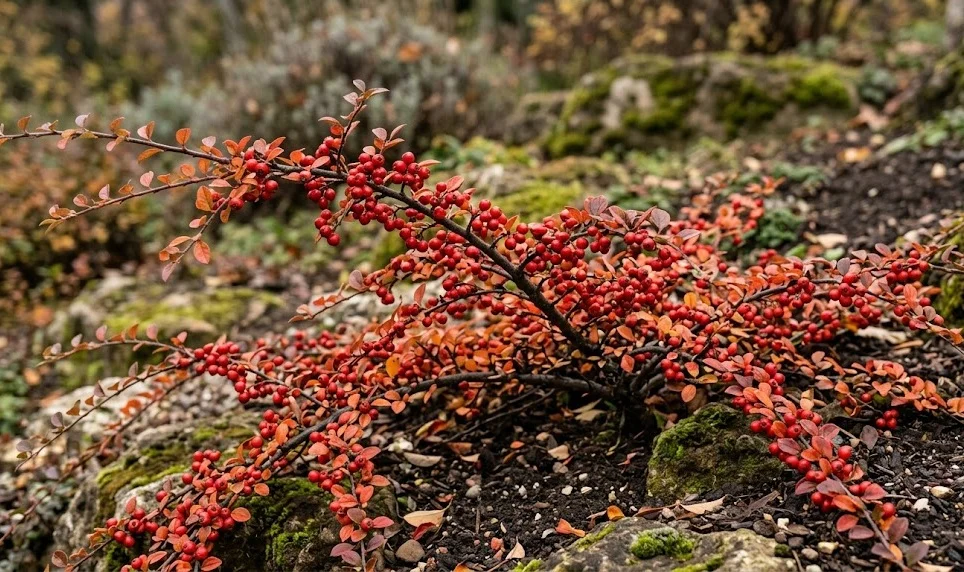
The primary reason for pruning this species is to maintain its characteristic horizontal architecture and to prevent it from becoming overly woody or messy. Because of its spreading habit, branches can sometimes overlap or grow in directions that do not suit your garden design. You should aim to remove any “renegade” shoots that are growing vertically or that are crossing and rubbing against other branches. A well-pruned specimen should look natural and balanced, with its fan-like branch structure clearly visible and well-defined.
Timing is a critical professional consideration when you are planning your pruning schedule for the year. The best time for major structural pruning is in the late winter or early spring while the plant is still dormant but just before new growth begins. This allows the plant to heal quickly and direct its spring energy into the buds and shoots you have chosen to keep. If you prune too late in the spring, you may accidentally remove many of the flower buds, which will reduce the summer floral display and the subsequent autumn berries.
For minor shaping or the removal of dead and damaged wood, you can perform light pruning at almost any time of the year. However, you should avoid heavy cutting in the late summer or autumn, as this can stimulate new growth that will not have time to harden before the winter frosts. Professional gardeners always keep a sharp eye out for any “three D’s”—dead, damaged, or diseased wood—and remove them immediately to maintain the overall health of the shrub. Your goal is to be proactive rather than reactive in your management of the plant’s structure.
Tools and techniques for professional results
Using the right tools is the first step toward achieving clean and healthy pruning cuts that heal quickly. For most tasks on a cotoneaster, a high-quality pair of bypass pruners is the most important tool in your kit. Bypass pruners work like scissors, with two blades sliding past each other to create a smooth and precise cut. You should always ensure that your blades are sharp and clean to prevent tearing the bark or spreading diseases between different plants in your garden.
More articles on this topic
For larger, older branches that have become too thick for hand pruners, a small pruning saw or a pair of loppers may be necessary. When making a cut, you should always aim to prune back to a healthy bud or to a main branch junction. Avoid leaving “stubs,” which are short sections of branch that have no buds to support new growth. These stubs often die back and can become entry points for rot and pests that could threaten the health of the entire shrub.
When you are thinning out the plant, you should focus on removing some of the oldest wood from the center to make room for vibrant new growth. This improves air circulation and light penetration, which are both critical for preventing diseases and promoting a healthy interior. You should try to make your cuts at a slight angle away from the bud to allow rainwater to run off the wound. This professional attention to detail is what ensures your plants remain strong and beautiful for many decades.
If you are training the shrub against a wall or fence, your pruning technique will be slightly different and more directed. You will need to select the strongest horizontal branches and secure them to the support structure while removing those that grow outwards. This requires a bit of patience and regular attention during the growing season to guide the new shoots as they emerge. The result is a stunning living tapestry that highlights the unique architectural beauty of the species.
Renovating an overgrown or neglected shrub
Sometimes you may inherit a garden where the cotoneaster has been allowed to grow unchecked for many years, becoming a tangled and unproductive mess. In these cases, a more aggressive “renovation pruning” approach may be necessary to restore the plant’s beauty and vigor. You should not try to do all the heavy work at once, but rather spread it out over two or three years to avoid shocking the plant. This gradual process allows the shrub to recover and produce new growth more effectively.
More articles on this topic
In the first year of renovation, you should focus on removing about one-third of the oldest and most unproductive wood, cutting it back nearly to the base of the plant. This stimulates the production of fresh, young shoots from the crown of the shrub. You should also remove any dead or diseased branches to clean up the overall appearance and reduce pest pressure. It is important to provide extra water and a bit of balanced fertilizer during this time to support the plant’s recovery.
In the second and third years, you can continue to remove the remaining old wood while beginning to shape the new growth that has emerged. This is the time to start selecting the best branches to form the new framework of the shrub. By the end of this three-year cycle, you will have a completely rejuvenated plant that looks much younger and more vibrant. Professional gardeners understand that patience and a long-term plan are the keys to successful plant renovation.
Once you have restored the shrub to its desired form, you can return to a more regular and light maintenance pruning routine. Consistency is the best way to prevent the plant from becoming overgrown and difficult to manage in the future. By spending just a few minutes each year on thoughtful pruning, you can keep your cotoneaster looking its absolute best. Your skill and dedication will be evident in the healthy, well-structured, and beautiful plants that grace your landscape.