
Maintaining a thriving garden environment requires a deep understanding of the specific needs of each plant species you choose to cultivate. The wall cotoneaster is a remarkably resilient shrub that offers year-round visual interest through its unique growth habit and seasonal changes. While it is known for being relatively low-maintenance, providing the right conditions will ensure it reaches its full aesthetic potential. You should focus on observing the plant closely throughout the different seasons to anticipate its requirements before any issues arise.
Proper soil management is the cornerstone of successful long-term care for this particular woody ornamental. This shrub prefers well-drained soil that does not hold excessive moisture around the root zone for extended periods. If you notice that your garden soil is heavy with clay, adding organic matter can significantly improve the internal drainage. Consistent monitoring of the soil structure will help you maintain the ideal balance of aeration and moisture retention.
Weed control is another essential aspect of the care routine that often goes overlooked by novice gardeners. Because of its prostrate and spreading growth habit, weeds can easily become entangled within the dense branches of the shrub. Hand-weeding is generally the safest method to ensure you do not damage the delicate bark of the plant. Applying a layer of high-quality mulch around the base will not only suppress weed growth but also help maintain a stable soil temperature.
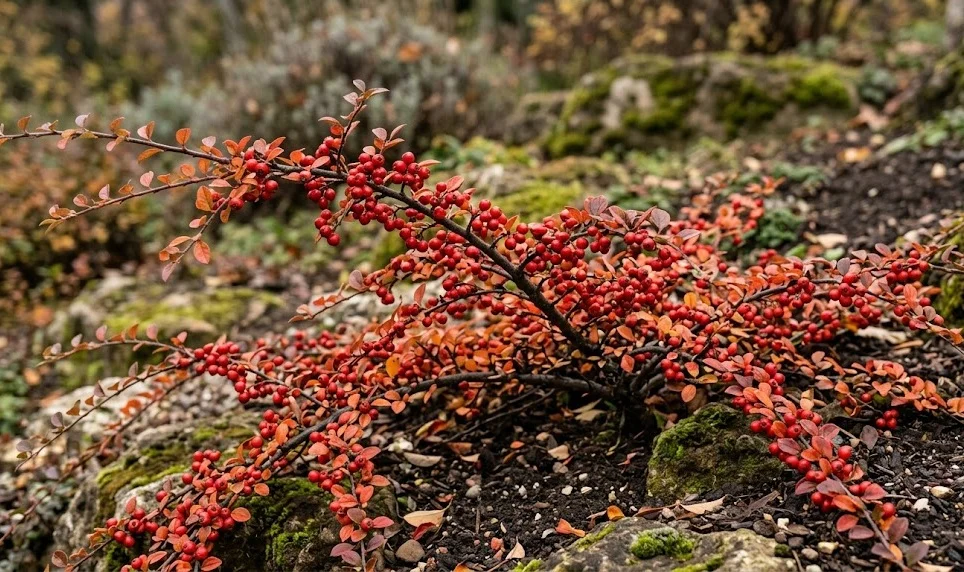
Seasonal observations play a vital role in keeping your shrub healthy and vibrant throughout the entire year. During the spring months, you should look for the emergence of new growth and the first signs of the small, pinkish flowers. In the autumn, the foliage typically turns a stunning shade of red or orange, which is a highlight for many enthusiasts. Paying attention to these natural cycles allows you to appreciate the plant while ensuring it remains in peak condition.
Essential environment and site selection
Choosing the right location in your landscape is the first step toward a healthy and long-lived specimen. This plant thrives in areas where it has enough room to spread its horizontal branches without being crowded by other large perennials. You should avoid planting it in low-lying areas where water tends to collect after heavy rainfall or snowmelt. A site with good air circulation will also help prevent common fungal issues that can affect dense foliage.
More articles on this topic
The proximity to structures like walls or fences can influence how the plant develops its characteristic herring-bone branch pattern. When planted against a stone wall, the heat radiating from the surface can sometimes speed up the drying of the soil. You need to account for these microclimates when planning your overall garden layout and maintenance schedule. Providing a stable environment from the start reduces the stress the plant might face during extreme weather events.
Soil acidity or alkalinity is usually not a major concern, as this species is quite adaptable to various pH levels. However, if your soil is extremely alkaline, you might notice some yellowing of the leaves over time. Testing your soil every few years is a professional approach that ensures you are providing the necessary mineral balance. A well-prepared site will save you hours of corrective work in the future and allow the plant to establish itself quickly.
The relationship between the plant and its surrounding flora is an important consideration for a harmonious garden design. It pairs beautifully with low-growing evergreens or early-blooming bulbs that can peek through its branches in the spring. You should ensure that taller neighboring plants do not completely shade out the cotoneaster, as this can lead to sparse growth. Thoughtful placement ensures that every plant in your collection has the resources it needs to flourish.
Seasonal monitoring and foliage health
Inspecting the leaves regularly is a simple yet effective way to gauge the overall health of your garden shrubs. Healthy foliage should be a deep, glossy green throughout the summer months without any signs of spotting or discoloration. If you notice any unusual changes in leaf texture, it might be an early indicator of environmental stress. Taking note of these changes allows you to adjust your care routine before the plant’s vigor is significantly compromised.
More articles on this topic
The transition from summer to autumn brings about a dramatic change in the appearance of the foliage and berries. This period is when the plant is most prized for its ornamental value in many professional landscape designs. You should ensure that the plant is well-hydrated during this time to support the development of its bright red fruit. These berries not only provide visual interest but also serve as a valuable food source for local bird populations.
Springtime requires a different focus as the plant wakes up from its winter dormancy period. This is the ideal time to check for any branches that may have been damaged by heavy snow or ice. Removing dead wood early in the season encourages the plant to direct its energy toward healthy new shoots. A clean and well-maintained shrub is much more resistant to the challenges posed by the coming growing season.
Summer heat can sometimes cause the leaves to lose their luster if the humidity levels drop significantly. You might consider misting the foliage during the early morning hours on exceptionally hot days to provide some relief. Providing a bit of extra attention during weather extremes is what separates a professional gardener from a casual hobbyist. Your commitment to consistent monitoring will be reflected in the lush and dense growth of the plant.
Supporting the root system through mulching
Mulching is a professional technique that provides numerous benefits to the root zone of woody shrubs. A thick layer of wood chips or shredded bark acts as an insulating blanket against extreme temperature fluctuations. This is particularly important for plants that have a relatively shallow root system near the surface of the soil. You should aim for a mulch depth of about five to seven centimeters for maximum effectiveness.
Beyond temperature regulation, mulch plays a critical role in preserving the moisture levels within the soil. By reducing the rate of evaporation, you can ensure that the roots have access to water even during dry spells. It is important to keep the mulch a few centimeters away from the main stem to prevent rot. This small detail is crucial for maintaining the long-term structural integrity of the plant’s base.
As organic mulch breaks down over time, it slowly releases valuable nutrients back into the ground. This natural decomposition process improves the overall quality and fertility of the soil without the need for heavy chemical inputs. You should replenish the mulch layer every spring to maintain its functional and aesthetic properties. Using natural materials aligns with sustainable gardening practices and promotes a healthy soil ecosystem.
The visual impact of a freshly mulched garden bed should not be underestimated in a professional landscape. It provides a clean and finished look that highlights the architectural form of the cotoneaster branches. The contrast between the dark mulch and the green or red foliage creates a striking focal point in any garden. Investing time in proper mulching is a hallmark of a well-cared-for and professionally managed outdoor space.
Managing surrounding vegetation and competition
Maintaining clear boundaries between different plant species is necessary to prevent overcrowding and resource competition. The spreading nature of this shrub means it can eventually overlap with other low-growing plants in your garden. You should periodically trim back any encroaching vegetation that might limit the light reaching the inner branches. Keeping the area around the base clear also makes it easier to perform routine inspections and maintenance tasks.
Grass can be particularly competitive when it grows too close to the root zone of your ornamental shrubs. It often wins the battle for surface moisture and nutrients, which can lead to stunted growth for the cotoneaster. Creating a dedicated border or “tree ring” around the plant is an effective way to manage this competition professionally. This clear zone also protects the shrub from accidental damage caused by lawn mowers or string trimmers.
Companion planting should be done with a clear understanding of the growth rates and habits of all involved species. You want to choose neighbors that have similar water and light requirements to simplify your overall management plan. Avoid placing highly aggressive ground covers near the cotoneaster, as they may eventually smother the lower branches. A balanced garden design considers the long-term interactions between all the different elements of the landscape.
Professional gardeners often use physical barriers or edging materials to define the planting areas clearly. This helps to maintain the intended design and prevents the garden from looking overgrown or messy. Regularly checking these boundaries ensures that your landscape remains organized and easy to navigate during maintenance. A proactive approach to managing competition will result in a much healthier and more impressive specimen.
Understanding growth habits and spatial needs
The unique horizontal growth pattern of this species is its most defining characteristic in a garden setting. It naturally forms flat, fan-like branches that can cover a significant amount of ground over several years. You should plan your garden layout with this eventual spread in mind to avoid future transplanting needs. Giving the plant enough space allows it to display its natural architecture without being distorted by obstacles.
This shrub is often used to cover slopes or difficult terrain where other plants might struggle to establish themselves. Its ability to follow the contours of the ground makes it an excellent choice for erosion control on embankments. You can use its spreading habit to create a living carpet that softens the transition between different levels of your garden. Understanding how the plant moves through space is key to using it effectively in your design.
When grown against a vertical surface, the branches can be trained to create a beautiful wall covering. This requires a bit more active management, but the results are often stunning and highly professional. You will need to provide some form of support or guidance as the new shoots develop during the growing season. This versatility is one of the reasons why this species remains a favorite among landscape architects and designers.
As the plant matures, the older branches at the center may become more woody and less productive. You should observe these changes and decide if any selective thinning is required to maintain the desired look. A healthy specimen should always have a good balance of older structural wood and fresh, vibrant new growth. Being mindful of the plant’s aging process will help you keep it looking young and vigorous for many years.
Long term health and vigor assessment
A professional assessment of your garden’s health involves looking beyond the surface appearance of the plants. You should occasionally check the strength of the branches and the firmness of the root attachment in the soil. Any signs of excessive brittleness or instability could indicate an underlying issue with nutrition or water uptake. Keeping a garden journal can help you track these observations and identify long-term trends in your plant’s development.
The frequency and quality of flowering are excellent indicators of the plant’s overall vitality and happiness. If the shrub fails to produce its characteristic pink blossoms, it may be receiving too much nitrogen or not enough light. Adjusting your care routine based on these signals is an essential part of professional gardening. A healthy plant will reward your efforts with a consistent and beautiful display of flowers and berries.
You should also pay attention to how the plant recovers after periods of extreme weather or heavy pruning. A vigorous specimen will bounce back quickly and produce plenty of new shoots to fill in any gaps. If recovery seems slow or the new growth is weak, it may be time to reassess your fertilization or watering strategy. Your goal is to foster a resilient plant that can withstand the natural challenges of its environment.
Final success with this species comes from a combination of patience and consistent, high-quality care. It may take a few seasons for the plant to fully establish itself and reach its intended size in your landscape. By following professional guidelines and staying attentive to the plant’s needs, you will create a lasting garden feature. Your dedication to excellence will ensure that your cotoneaster remains a highlight of your outdoor space for a long time.