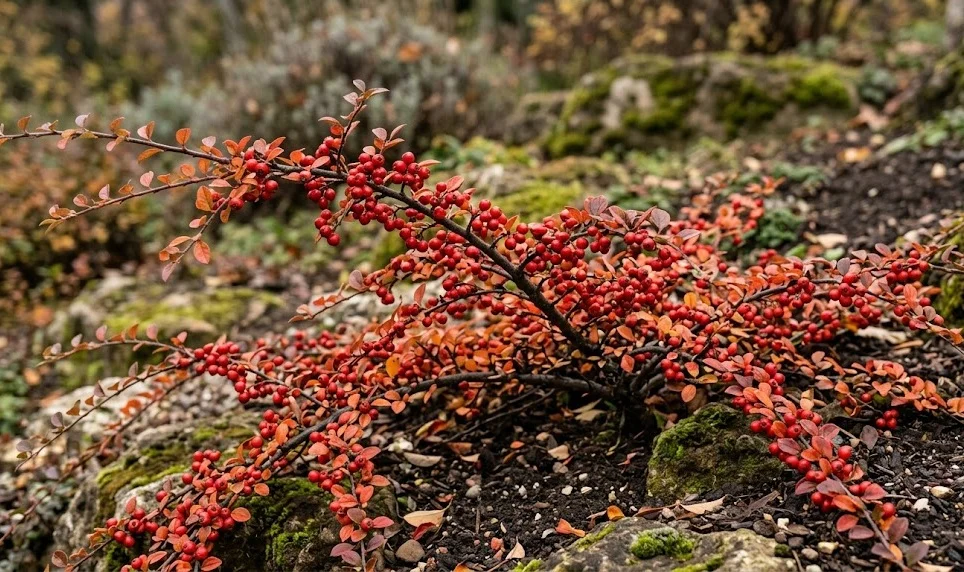

Preparing your garden for the challenges of the winter season is an essential task for any professional or enthusiast who values the longevity of their plants. The wall cotoneaster is a hardy species that is well-adapted to surviving cold temperatures, but extreme conditions can still pose a risk to its health. By taking a few proactive steps in the late autumn, you can ensure that your shrubs emerge in the spring with minimal damage and plenty of vigor. You should view overwintering as a period of protection and rest for your woody ornamentals.
One of the most important aspects of winter preparation is ensuring that the plant is well-hydrated before the ground freezes. Evergreen or semi-evergreen shrubs continue to lose moisture through their leaves even during the dormant season, especially on windy or sunny winter days. If the roots are in frozen soil and cannot take up water, the plant can suffer from a condition known as winter desiccation. You should provide a few deep waterings in the late autumn to ensure the root zone has ample moisture reserves to draw upon.
Cleaning up the area around the base of the shrub is another professional habit that pays off during the winter months. You should remove any fallen leaves from other trees that might have become trapped within the dense branches of the cotoneaster. This debris can trap moisture against the stems and create an ideal environment for rot or fungal issues during a wet winter. A clean and tidy plant is much less likely to harbor pests that might be looking for a place to hide from the cold.
Avoid any heavy pruning in the late summer or autumn, as this can stimulate new growth that is too soft to survive the first hard frost. This young foliage is easily damaged by the cold and can serve as an entry point for diseases that might weaken the entire plant. Instead, wait until the plant is fully dormant or until the early spring to perform any necessary structural work. Your goal is to allow the plant to naturally harden off and prepare its own internal defenses against the coming low temperatures.
Protecting the root zone with winter mulch
Mulching is just as important in the winter as it is in the summer, though it serves a slightly different primary purpose during the cold months. A thick layer of organic mulch helps to stabilize the soil temperature and prevents the destructive cycle of freezing and thawing. This cycle, known as frost heaving, can actually push young plants out of the ground and expose their delicate roots to the drying air. You should check your mulch layer in the late autumn and replenish it if it has become thin or decomposed.
More articles on this topic
The best materials for winter mulching are those that are coarse and do not pack down too tightly, such as wood chips, pine needles, or straw. You want to maintain a layer that is about five to ten centimeters deep around the entire root zone of the shrub. It is important to remember to keep the mulch pulled back slightly from the main trunk to avoid trapping too much moisture against the bark. This simple step provides a significant buffer against the most extreme fluctuations in ground temperature.
In areas with particularly harsh winters, you might consider mounding some extra mulch or even soil around the base of the plant for added protection. This “hilling up” technique is often used for more tender plants but can provide extra peace of mind for newly planted cotoneasters. As the weather warms up in the spring, you should gradually remove this extra material to allow the soil to warm up and the plant to wake up naturally. Professional gardeners always adapt their mulching strategy to the specific severity of their local climate.
Winter mulch also helps to suppress any winter-annual weeds that might try to germinate during mild spells in the cold season. By keeping the soil covered, you reduce the amount of maintenance work you will have to do when the growing season finally arrives. A well-mulched garden looks much more organized and professional even when the plants are dormant and the landscape is quiet. Your efforts in the autumn will be rewarded with a much smoother transition into the spring gardening chores.
Managing snow and ice accumulation
Heavy snow can be both a blessing and a burden for spreading shrubs like the wall cotoneaster. A layer of light, fluffy snow actually acts as an excellent insulator, protecting the foliage and stems from the most extreme sub-zero temperatures. However, heavy or wet snow can put significant physical pressure on the branches and potentially cause them to split or break. You should gently brush off excessive snow accumulation after a major storm to prevent structural damage to the plant.
More articles on this topic
Ice is much more dangerous than snow because it is significantly heavier and much harder to remove without causing harm. If your shrub becomes coated in ice during a winter storm, it is usually best to leave it alone and let it melt naturally. Trying to crack or scrape ice off the branches will almost certainly result in broken stems and damaged bark. Once the ice has melted, you can then assess the plant for any branches that may need to be pruned or supported.
Salt and de-icing chemicals used on nearby paths and driveways can be very harmful to the health of your garden plants. If your cotoneaster is located near an area where these products are used, the salt can leach into the soil or be splashed onto the foliage. This can cause “salt burn,” which manifests as browning of the leaves and dieback of the branch tips in the spring. You might consider using a physical barrier like a burlap screen to protect sensitive plants from salt spray during the winter months.
After a particularly harsh winter event, take a walk through your garden to check for any visible signs of physical distress. If you see a branch that has split but is still partially attached, you might be able to save it with some careful binding if you catch it early. However, most of the time, a clean pruning cut is the best way to deal with winter breakage. Staying proactive about snow and ice management will keep your shrubs looking their best throughout the entire year.
Assessing and repairing winter damage in spring
As the days begin to lengthen and the temperatures rise, it is time to perform a professional assessment of how your plants fared over the winter. You should look for any signs of “winter kill,” which are branches or sections of the plant that have turned brown and brittle. It is best to wait until the new growth starts to appear before you do any major pruning, as some branches may be slower to wake up than others. This patience ensures that you do not accidentally remove living wood that simply needed a bit more time.
If you do find dead or damaged wood, you should prune it back to a healthy bud or to the main stem using sharp, clean tools. This not only improves the appearance of the shrub but also prevents opportunistic pests and diseases from moving in. You should also check the base of the plant to make sure it hasn’t been disturbed by frost heaving or by hungry animals during the winter. Gently firming the soil back into place and adding a bit of fresh mulch will help the plant settle back in for the new season.
The first watering of the spring should be a deep one, especially if the winter was particularly dry or if the spring has been slow to bring rain. This helps to wash any remaining salts out of the root zone and provides the hydration needed for the burst of new growth. You might also consider a light application of a balanced fertilizer if the plant seems to be struggling to regain its vigor. Professional gardening is all about supporting the plant’s natural recovery process after the stress of the cold season.
Finally, take a moment to appreciate the resilience of your garden as it transitions back into a period of active growth. The wall cotoneaster is a tough survivor, and with your help, it will continue to be a beautiful part of your landscape for many years. Each winter provides a learning experience that will help you become a more skilled and attentive manager of your outdoor space. Your dedication to proper overwintering is a testament to your commitment to gardening excellence.