
Understanding the specific light needs of your plants is one of the most fundamental aspects of successful landscape design and maintenance. The wall cotoneaster is a versatile shrub that can adapt to a range of light conditions, but its performance and appearance will vary depending on its exposure. To achieve the best results, you must match the plant’s biological preferences with the specific microclimates available in your garden. You should approach light management as a way to unlock the full ornamental potential of this beautiful species.
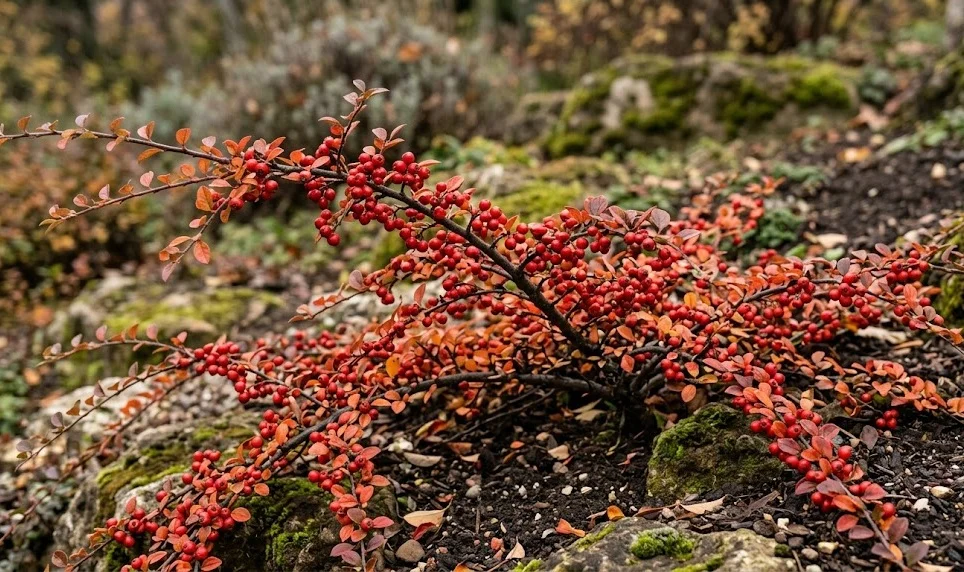
In an ideal setting, this shrub thrives in full sun, which is generally defined as at least six to eight hours of direct sunlight each day. When grown in a sunny location, the plant develops its most compact and dense growth habit, with the characteristic herring-bone branch pattern being most distinct. Sunlight also plays a critical role in the production of flowers and the subsequent development of the bright red berries. You will find that specimens in full sun typically produce a much more abundant and vibrant display of fruit compared to those in the shade.
While full sun is preferred, the wall cotoneaster is remarkably tolerant of partial shade, making it useful for many different areas of the garden. In partially shaded spots, you might notice that the growth is slightly more open and the branches are a bit longer as they “reach” for the available light. The autumn color of the foliage may also be slightly less intense in shaded areas, though it remains an attractive feature. You should weigh these trade-offs when deciding where to place a new specimen in your landscape.
Extreme shade, such as that found under the dense canopy of large evergreen trees or on the north side of a tall building, is generally not recommended. In these very dark locations, the shrub may become thin, leggy, and much more susceptible to pests and diseases. The lack of light prevents the plant from producing enough energy through photosynthesis to maintain its vigor and produce its ornamental berries. A professional gardener always seeks to find the “sweet spot” where the plant receives enough light to be healthy without being scorched by extreme afternoon heat.
Managing light in different landscape orientations
The orientation of your planting site—whether it faces north, south, east, or west—will have a significant impact on the light quality the plant receives. A south-facing location will provide the most intense and consistent sunlight throughout the day, which is excellent for berry production but may require more careful watering. You need to be mindful of the potential for the soil to dry out more quickly in these high-light areas. Professional monitoring of soil moisture is especially important for plants in such prominent, sun-drenched positions.
More articles on this topic
East-facing sites are often ideal because they provide gentle morning sun followed by cooler afternoon shade. This allows the plant to photosynthesize efficiently during the early hours without the stress of the most intense heat of the day. Many gardeners find that their shrubs look particularly lush and healthy in these orientations, with fewer issues related to leaf scorch. It is a balanced environment that supports steady growth and consistent seasonal interest.
West-facing locations can be more challenging because they receive the strongest and hottest sunlight in the late afternoon. This sudden burst of heat after a relatively cool morning can sometimes be stressful for the foliage, especially during the height of the summer. You might consider providing some light filtered shade from a nearby tree or structure to help buffer the intensity of the late-day sun. Understanding these daily light patterns is a key part of professional site assessment and plant placement.
North-facing sites are typically the coolest and shadiest, receiving very little direct sunlight except perhaps in the very early morning or late evening. While the wall cotoneaster can survive here, you should expect slower growth and fewer berries compared to other parts of your garden. If you must plant in a north-facing area, try to keep the plant away from additional shadows cast by fences or walls. Your goal is to maximize whatever light is available in these more restricted environments.
Light and its effect on seasonal transitions
The changing angle of the sun throughout the seasons also influences how much light reaches your garden shrubs. A spot that is in full sun during the summer may be in deep shadow during the winter when the sun is lower in the sky. You should observe your garden at different times of the year to get a complete picture of the light dynamics in your landscape. This long-term perspective is what separates a professional landscape plan from a more casual approach.
More articles on this topic
Light intensity and duration are the primary signals that tell the plant when it is time to start growing in the spring or prepare for dormancy in the autumn. As the days shorten and the light becomes less intense, the plant begins the complex process of changing its leaf chemistry to produce those stunning red and orange colors. Providing adequate light during the growing season ensures that the plant has enough stored energy to complete these transitions successfully. You are essentially working with the plant’s internal clock by managing its light environment.
In very hot climates, the intense light of mid-summer can sometimes lead to a “mid-day slump” where the plant temporarily stops its active processes to conserve moisture. You can help mitigate this by ensuring the shrub is well-mulched and has access to consistent deep moisture. In some cases, providing a bit of high, filtered shade can actually improve the plant’s overall productivity by reducing extreme heat stress. Professional gardening is often about making these subtle adjustments to help the plant perform at its best.
When you are performing your regular maintenance and pruning, you should also think about how your actions affect light penetration into the center of the shrub. Thinning out some of the older or overlapping branches can allow more light to reach the interior, promoting a more even and healthy growth habit. This prevents the center of the plant from becoming a hollow, leafless “shell” over time. A thoughtful approach to light management involves both the placement of the plant and its ongoing physical care.