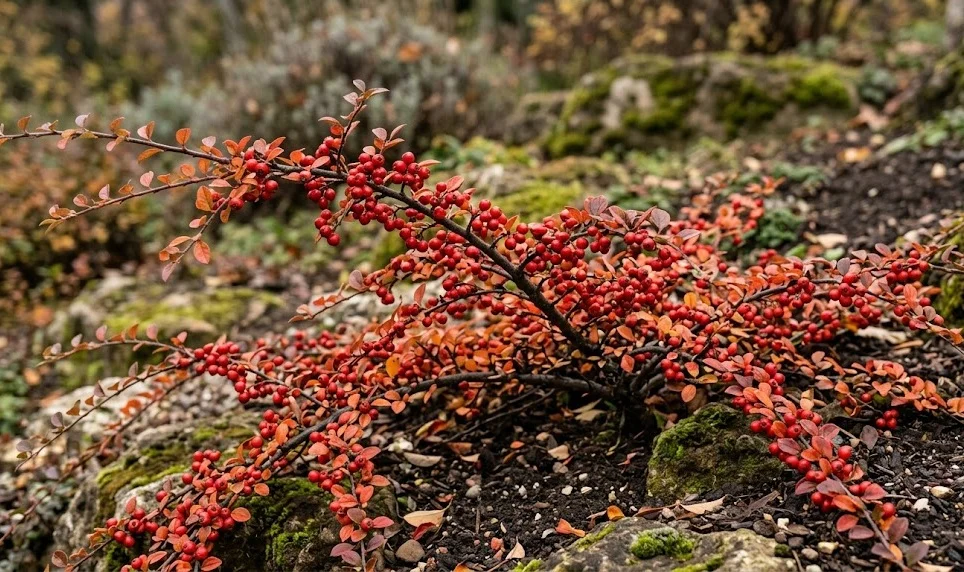

Providing the correct balance of moisture and nutrients is fundamental to maintaining the health and vigor of any woody ornamental in your landscape. The wall cotoneaster is known for its ability to withstand some neglect, but it truly thrives when a professional approach is taken to its hydration and feeding. You must understand that watering and fertilization are not isolated tasks, but rather interconnected parts of a comprehensive care strategy. Your goal should be to create a stable environment where the plant can grow steadily without experiencing extreme shifts in resource availability.
During the initial establishment phase, which typically lasts for the first one to two growing seasons, watering is the most important task you will perform. New plants have limited root systems and cannot access deep soil moisture, making them vulnerable to dehydration. You should water deeply and thoroughly to encourage the roots to grow downwards into the cooler, moister layers of the earth. Surface watering should be avoided as it promotes shallow root growth that is easily damaged by heat and drought.
As the plant matures and becomes more established, its water requirements will naturally decrease compared to its younger years. An established specimen is remarkably drought-tolerant and can often survive on natural rainfall alone in many temperate climates. However, during periods of prolonged drought or extreme summer heat, supplemental irrigation is still highly beneficial for maintaining foliage quality. You should monitor the soil moisture about ten centimeters below the surface to determine when it is time to provide additional water.
The method of delivery is just as important as the amount of water you provide to your garden shrubs. Soaker hoses or drip irrigation systems are professional choices because they deliver water directly to the root zone with minimal waste. This also keeps the foliage dry, which is a critical factor in preventing the development and spread of fungal diseases. If you must use a traditional hose, watering early in the morning is the best practice to allow any accidental moisture on the leaves to evaporate quickly.
Nutritional needs and fertilization timing
Fertilization should be approached with a “less is more” philosophy when dealing with this particular species of cotoneaster. Over-fertilizing can lead to excessive leafy growth at the expense of flowers and berries, and can even make the plant more attractive to certain pests. You should generally only apply fertilizer if the plant is showing signs of slow growth or pale foliage that cannot be explained by other factors. A professional soil test is the most accurate way to determine if your garden truly needs additional nutrients.
More articles on this topic
If you decide that supplemental feeding is necessary, the best time to apply fertilizer is in the early spring just as new growth begins to appear. This provides the plant with the nutrients it needs during its most active period of the year. Avoid fertilizing in the late summer or autumn, as this can stimulate soft new growth that will not have time to harden before the first frost. Using a balanced, slow-release granular fertilizer is usually the most effective and convenient option for home gardeners.
Organic options, such as well-aged compost or leaf mold, are excellent alternatives to synthetic chemical fertilizers. These materials not only provide essential nutrients but also improve the overall structure and biological health of the soil. You can apply a thin layer of compost around the base of the shrub each spring as part of your regular mulching routine. This slow and steady release of nutrients mimics the natural processes found in the plant’s native habitat.
After applying any type of fertilizer, it is crucial to water the area thoroughly to help the nutrients move down into the root zone. This also prevents the concentrated salts in some fertilizers from burning the delicate surface roots of the shrub. You should always follow the manufacturer’s instructions regarding application rates to avoid accidental over-application. A thoughtful and measured approach to nutrition will ensure your plants stay healthy without becoming overly aggressive in their growth.
Recognizing water stress and overwatering symptoms
Learning to read the signs that your plant is giving you is a hallmark of an experienced and professional gardener. Water stress often manifests as a slight wilting of the young shoot tips or a loss of the usual glossiness on the leaves. If the drought continues, the older leaves may start to turn yellow and drop prematurely as the plant tries to conserve moisture. Recognizing these early warning signs allows you to intervene before any permanent damage occurs to the shrub’s structure.
More articles on this topic
On the other hand, overwatering can be just as damaging as drought and is often more difficult to correct. Excessively wet soil prevents oxygen from reaching the roots, which can lead to root rot and a general decline in the plant’s health. Symptoms of overwatering can paradoxically look similar to drought, including yellowing leaves and a lack of new growth. You should always check the actual moisture level of the soil before deciding to add more water to a struggling plant.
The drainage capacity of your soil plays a major role in how you should manage your watering schedule throughout the year. In heavy clay soils, water lingers much longer, requiring a more cautious approach to irrigation frequency. Sandy or rocky soils drain very quickly, meaning you may need to water more often but with less volume each time. Professional gardeners always adapt their techniques to the specific conditions of their individual landscape to achieve the best results.
Environmental factors like wind and humidity also influence how quickly a plant loses moisture through its leaves. A windy site will dry out much faster than a sheltered one, even if the temperatures are relatively mild. You should adjust your expectations based on the weather patterns of your specific region and the microclimate of your garden. Staying observant and flexible is the key to providing the perfect amount of hydration for your cotoneaster in any situation.
Enhancing soil health for better nutrient uptake
The ability of a plant to absorb nutrients is directly tied to the health and structure of the surrounding soil. A compacted soil with poor aeration will limit root growth and make it difficult for the plant to access the minerals it needs. You can improve soil aeration by avoiding walking on the planting beds and by using organic mulches that encourage earthworm activity. Healthy soil is a living ecosystem that supports the long-term vitality of your entire garden.
Mycorrhizal fungi are beneficial organisms that form a symbiotic relationship with the roots of many woody shrubs. These fungi help the plant absorb water and phosphorus more efficiently in exchange for some of the plant’s sugars. You can encourage these natural allies by minimizing the use of heavy chemical fungicides and maintaining a high level of organic matter in the soil. Many professional gardeners even add mycorrhizal inoculants when planting new shrubs to give them a biological advantage from the start.
Maintaining a stable soil pH is another important factor in ensuring that nutrients remain available to the plant. Most garden plants, including this species, prefer a slightly acidic to neutral pH range where most minerals are easily dissolved. If the soil becomes too alkaline, certain micronutrients like iron can become “locked” and unavailable to the roots. Periodic testing and the occasional use of sulfur or lime can help you maintain the ideal chemical balance for your landscape.
Finally, remember that a healthy root system is the most important “organ” for nutrient and water acquisition. Anything you do to protect the roots, such as mulching and careful weeding, will directly improve the plant’s ability to feed itself. A professional gardener focuses on building a strong foundation below the surface to support the beauty that is visible above. Your commitment to soil health will be reflected in the lush foliage and abundant berries of your cotoneaster.
Adjusting care for container-grown specimens
If you are growing this species in a container, your approach to watering and fertilization must be significantly more active. Pots and planters dry out much faster than the ground, often requiring daily watering during the height of the summer. You should choose a high-quality potting mix that provides excellent drainage while still holding some moisture for the roots. Container plants also have a limited volume of soil from which to draw nutrients, making regular feeding more important.
For container-grown cotoneasters, a liquid fertilizer applied at half-strength every few weeks during the growing season is often the best approach. This provides a consistent supply of nutrients without the risk of salt buildup that can occur with heavy granular applications. You should always ensure that the container has adequate drainage holes at the bottom to prevent water from pooling. Emptying any saucers after watering is a professional habit that prevents the roots from sitting in stagnant water.
The size of the container should be large enough to accommodate the spreading root system of the shrub for at least a couple of years. As the plant grows, you may need to repot it into a larger vessel to prevent it from becoming root-bound and stressed. When repotting, use the opportunity to refresh the soil and check the health of the root system for any signs of trouble. Growing these shrubs in containers allows you to enjoy their beauty on patios or balconies where garden space might be limited.
Winter care for container plants is also different, as the roots are more exposed to freezing temperatures than they would be in the ground. You might need to move the pots to a more sheltered location or wrap them in insulating material during extreme cold snaps. Watering should be reduced during the winter but not stopped entirely, as the soil should never be allowed to go bone-dry. With a bit of extra attention, container-grown specimens can be just as healthy and beautiful as those in the landscape.