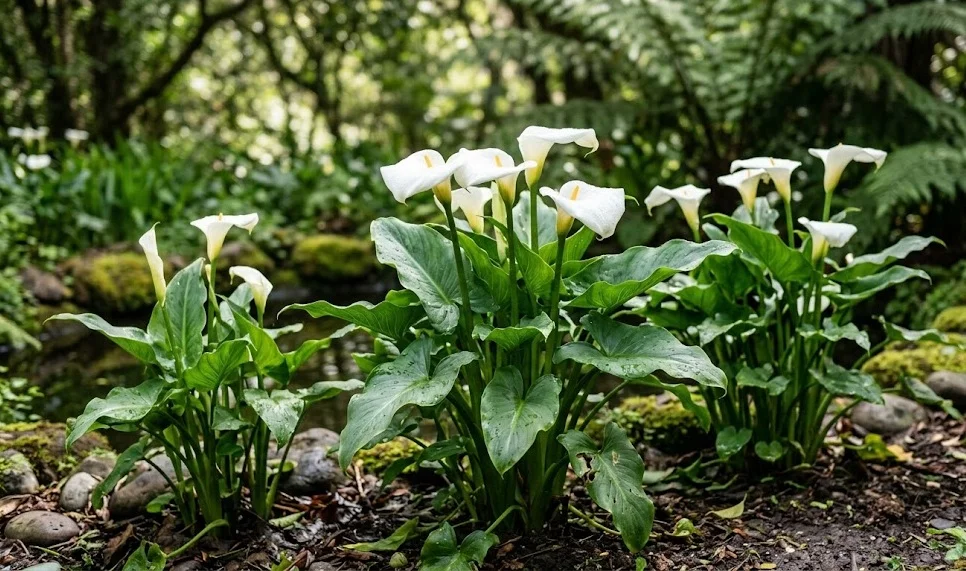

Understanding the light requirements of the white calla is fundamental to achieving the iconic lush foliage and striking white blooms for which this plant is known. While it is often described as a versatile plant, its performance is directly tied to the intensity and duration of the light it receives throughout the day. In its native South African habitat, the white calla often grows in open areas or along the edges of forests, where it experiences a mix of direct sun and cooling shade. Finding this balance in your own garden is the key to preventing common issues like leggy growth or scorched leaves.
The primary goal when managing light for the white calla is to provide enough energy for photosynthesis without overwhelming the plant’s ability to regulate its temperature. These plants are remarkably efficient at converting sunlight into the carbohydrates stored in their rhizomes, but their large, succulent leaves have a high transpiration rate. In full, intense afternoon sun, the plant can lose moisture faster than its roots can supply it, leading to wilting and potential tissue damage. Therefore, the strategic use of shade is just as important as the provision of light.
Geographical location also plays a significant role in determining the ideal light exposure for your white callas. In cooler, northern climates, the sun’s rays are less intense, and the plants may thrive in full sun for most of the day, benefiting from the extra warmth. Conversely, in hotter, southern regions, the midday sun can be punishing, making partial shade or filtered light a necessity for the plant’s survival. As a gardener, you must adapt your placement strategies to the specific light characteristics of your local environment.
Finally, the relationship between light and flowering cannot be overstated, as a lack of sufficient light is the most common reason why callas fail to bloom. The plant requires a certain threshold of light energy to trigger the development of its flower buds. If kept in too much shade, the white calla may produce beautiful, dark green leaves, but the elegant white spathes will be noticeably absent. Balancing these competing needs—enough light for flowers but enough shade for foliage health—is the mark of a truly expert grower.
Finding the perfect balance
The ideal light condition for most white callas is often described as “bright, indirect light” or “partial shade,” particularly during the hottest parts of the day. In a garden setting, this often translates to a location that receives full sun in the morning followed by dappled or complete shade in the afternoon. Morning sun provides the high-intensity light needed for growth while the air is still relatively cool, allowing the plant to photosynthesize efficiently without the risk of overheating. As the sun moves higher and the temperature rises, the afternoon shade provides a much-needed respite.
More articles on this topic
If you are growing callas in a spot with constant, direct sun, you must be prepared to be much more diligent with your irrigation routine. The extra light will drive up the plant’s demand for water, and any period of dryness will be magnified by the heat of the sun. Mulching the base of the plant becomes even more critical in these high-light environments to keep the soil and rhizomes cool. You may also notice that callas in full sun tend to be shorter and more compact than those grown in more shaded positions.
Conversely, if your only available space is quite shady, you might find that your callas become “leggy,” with long, weak stems that struggle to support the weight of the leaves. In these conditions, the plant is literally stretching itself toward any available light source, which can result in a floppy and unattractive appearance. You can sometimes mitigate this by ensuring there are no overhanging branches or structures that further block the light. While they can survive in lower light, the aesthetic and reproductive quality of the plant will undoubtedly be compromised.
For indoor-grown callas, placement near a large, south-facing or west-facing window is usually the best option to meet their light needs. However, the glass can sometimes act as a magnifying lens, intensifying the heat and light to dangerous levels. Using a sheer curtain to filter the light can provide the perfect environment, mimicking the dappled shade they might find in nature. Rotating the pot every week or so is also a good practice to ensure that all sides of the plant receive equal light and that it grows symmetrically.
Light and the flowering process
Light is the primary driver of the flowering cycle in the white calla, acting as both a source of energy and a seasonal signal. The plant’s ability to produce its distinctive white spathes is directly proportional to the amount of light it has been able to capture during its early growth phase. This is why plants that are “started” indoors under bright lights often bloom earlier and more prolifically than those that have to wait for the natural increase in spring light. Consistent, high-quality light ensures that the rhizome has enough stored power to support the expensive process of flowering.
More articles on this topic
Photoperiod, or the length of the day, also influences how the white calla behaves, although it is not as strictly day-length dependent as some other species. Nevertheless, the increasing day length in spring serves as a powerful cue for the plant to begin its active growth. Once the plant has reached a certain maturity and has received enough cumulative light, it will transition from vegetative growth to reproductive growth. This is when you will see the first flower stalks emerging from the center of the leaf clusters.
If your white callas are producing plenty of leaves but no flowers, the first thing you should evaluate is the light level. Even a small increase in light exposure, such as thinning out some overhead tree branches or moving a container a few meters, can make a world of difference. Sometimes, the problem is not the intensity of the light but the duration; the plant may need more hours of “good” light than it is currently getting. Professional growers often use supplemental lighting to ensure their callas hit the necessary targets for commercial flower production.
It is also worth noting that the color and quality of the flowers can be affected by the light they receive. In very high-light environments, the white spathes can sometimes take on a slightly green or even brownish tint as they age more rapidly. On the other hand, in very low light, the flowers may be smaller and the white color may not be as brilliant. Finding that “Goldilocks” zone of light ensures that your callas not only bloom but that their flowers are of the highest possible quality and longevity.
Seasonal light adjustments
As the seasons change, the light requirements and the plant’s tolerance for light will also shift, requiring you to be an adaptive gardener. In the early spring, when the air is cool and the sun is lower in the sky, you can be much more generous with light exposure. This is the time to encourage as much growth as possible by placing your plants in the brightest spots available. The gentle spring sun is unlikely to cause any damage and will help the plant establish itself quickly after its winter dormancy.
When summer arrives and the sun reaches its peak intensity, you may need to provide temporary shade if your callas are showing signs of stress. This can be as simple as using a piece of shade cloth during the hottest part of the day or moving potted plants to a more protected location. Watch for signs of “sunscald,” which appears as bleached or crispy patches on the leaves where the sun has literally burnt the tissue. Once this damage occurs, it cannot be reversed, so prevention through strategic shading is essential.
In the autumn, as the light levels naturally begin to fall, the white calla will start to wind down its activity. You don’t need to worry as much about light at this stage, as the plant is already preparing for its rest. In fact, the decreasing light and cooler temperatures are important signals that tell the plant it’s time to move its nutrients into the rhizome. Allowing the plant to experience this natural decline in light helps it to enter dormancy at the right time and ensures its long-term health.
Finally, for those who overwinter their callas indoors or in a greenhouse, maintaining some level of light can be beneficial if the plants are not being allowed to go fully dormant. However, for most home gardeners, the goal during winter is total dormancy in a dark, cool place. By understanding how the light needs of the white calla fluctuate throughout the year, you can provide a dynamic care routine that matches the plant’s natural rhythms. This professional level of light management is the secret to a truly spectacular calla display.