
Protecting these delicate spring flowers from biological threats is a vital part of professional horticulture and requires a keen eye for detail. While generally hardy, they can fall victim to various fungal, bacterial, and insect-related issues that can quickly devastate a healthy colony. Early detection and an understanding of the conditions that favor these problems are the most effective tools for any gardener. A proactive management strategy focuses on prevention through good cultural practices and targeted interventions when necessary to ensure the garden remains vibrant.
Identifying fungal infections
Fungal diseases are perhaps the most common threat to bulbous plants, especially in damp or poorly drained garden environments. Grey mold, or Botrytis, often manifests as fuzzy patches on the leaves and flowers during periods of high humidity. If left unchecked, it can cause the foliage to collapse and rot, significantly weakening the bulb for the next season. Maintaining good air circulation and avoiding overhead watering are key professional strategies to minimize the risk of this infection.
Bulb rot is another serious fungal issue that typically occurs underground where it is harder to detect in the early stages. You may notice that certain plants fail to emerge in the spring or appear stunted and yellowed compared to their neighbors. Upon inspection, the affected bulbs will feel soft, mushy, and may have a foul odor indicating decay. Improving soil drainage and ensuring that bulbs are not planted too deeply can help prevent the conditions that lead to rot.
Leaf spot diseases can also affect the aesthetic appeal and health of the squill colony by causing brown or black lesions on the foliage. These spots can eventually merge, leading to the premature death of the leaf and a reduction in the energy stored by the bulb. Removing and destroying any infected plant material is essential to prevent the spores from overwintering in the soil. Professional gardeners often avoid working in the garden when the plants are wet to prevent the mechanical spread of fungal spores.
Soil-borne fungi, such as Fusarium, can persist in the garden for many years and attack the root systems of various spring bulbs. This can lead to a slow decline in the population as individual bulbs succumb to the infection over several seasons. If a particular area of the garden is known to be infested, it may be necessary to solarize the soil or choose a different planting site. Healthy, vibrant plants in well-maintained soil are much more likely to resist these fungal challenges naturally.
More articles on this topic
Bacterial and viral threats
Bacterial issues, while less common than fungal infections, can be incredibly destructive and difficult to treat once established. Bacterial soft rot can quickly turn a firm bulb into a liquid mass, often following an injury from a tool or a pest. Symptoms include rapid wilting of the foliage and a distinct, unpleasant smell coming from the base of the plant. There are no effective chemical cures for bacterial rot, so the focus must remain entirely on prevention and the removal of infected specimens.
Viral infections are often characterized by unusual patterns on the leaves, such as mosaic-like streaking or mottling in shades of yellow or light green. These viruses are typically spread by sap-sucking insects like aphids or through contaminated gardening tools. Once a plant is infected with a virus, it cannot be cured and will likely remain a source of infection for the rest of the colony. Professional management requires the immediate removal and destruction of any plant showing suspicious viral symptoms.
Keeping your gardening tools clean is one of the most effective ways to prevent the spread of both bacteria and viruses between plants. You should regularly disinfect your trowels, forks, and shears with a solution of alcohol or a mild bleach mixture. This is especially important when moving between different areas of the garden or after working with a plant that looks unhealthy. A disciplined approach to hygiene is a hallmark of a professional gardening routine that protects the entire landscape.
Maintaining a diverse and healthy garden ecosystem can also help reduce the impact of bacterial and viral threats. Encouraging natural predators like ladybugs and lacewings can keep the populations of sap-sucking insects in check. Strong, well-nourished plants are generally better able to tolerate minor infections without a total collapse of their biological systems. By focusing on overall plant health, you create a resilient environment that is less susceptible to these more challenging pathogens.
More articles on this topic
Common insect pests
Aphids are frequent visitors to many garden plants, and these spring bulbs are no exception during the early part of the season. These small, soft-bodied insects gather on the undersides of leaves and on flower buds to suck out the vital plant juices. This can lead to distorted growth, sticky honeydew deposits, and the potential transmission of viral diseases. A sharp blast of water from a garden hose is often enough to dislodge light infestations without the need for chemicals.
Slugs and snails are perhaps the most notorious pests for any gardener dealing with low-growing spring ephemerals. They are particularly active during damp nights and can quickly devour the tender young shoots and delicate flower petals. You may see characteristic slime trails leading to large, irregular holes in the foliage as evidence of their presence. Using physical barriers, such as copper tape or crushed eggshells, can help protect individual plants or small groups from these voracious mollusks.
Bulb flies are a more specialized pest that can cause significant damage to the bulbs themselves rather than the foliage. The larvae of these flies burrow into the bulb, feeding on the internal tissues and often causing the death of the plant. Identifying an infestation can be difficult until the plant fails to grow or appears significantly weakened in the spring. Minimizing soil disturbance during the egg-laying period and using fine netting can help protect high-value bulb collections.
Thrips are tiny, slender insects that can cause silvering or streaking on the leaves and flowers as they feed on the surface cells. While they rarely kill the plant, they can significantly reduce its aesthetic value and overall vigor. They are often found hiding deep within the folds of the flowers or between the bases of the leaves. Maintaining consistent soil moisture and encouraging natural enemies like predatory mites can help keep thrip populations at a professional management level.
Rodent and wildlife damage
Squirrels and chipmunks are often the primary suspects when newly planted bulbs go missing from the garden in the autumn. These resourceful rodents are attracted to the smell of freshly disturbed soil and will quickly dig up the bulbs to store for the winter. To prevent this, you can cover the planting area with a layer of chicken wire or heavy plastic mesh just beneath the soil surface. This allows the shoots to grow through while preventing the animals from reaching the bulbs from above.
Mice and voles can also cause significant damage by tunneling underground and feeding on the bulbs during the winter months. Because this damage occurs out of sight, it often goes unnoticed until the following spring when the plants fail to appear. Planting the bulbs inside small “cages” made of hardware cloth is a professional technique for protecting them in areas with high rodent populations. Maintaining a tidy garden with fewer hiding spots for these small mammals can also help reduce the risk of damage.
Rabbits and deer may occasionally graze on the emerging foliage in the early spring when other food sources are scarce. While these bulbs are not their preferred food, the tender green shoots can be tempting to a hungry animal. Using scent-based repellents or physical fencing is often necessary in rural or suburban areas where wildlife pressure is high. Monitoring the garden daily during the emergence period allows you to react quickly to any signs of grazing.
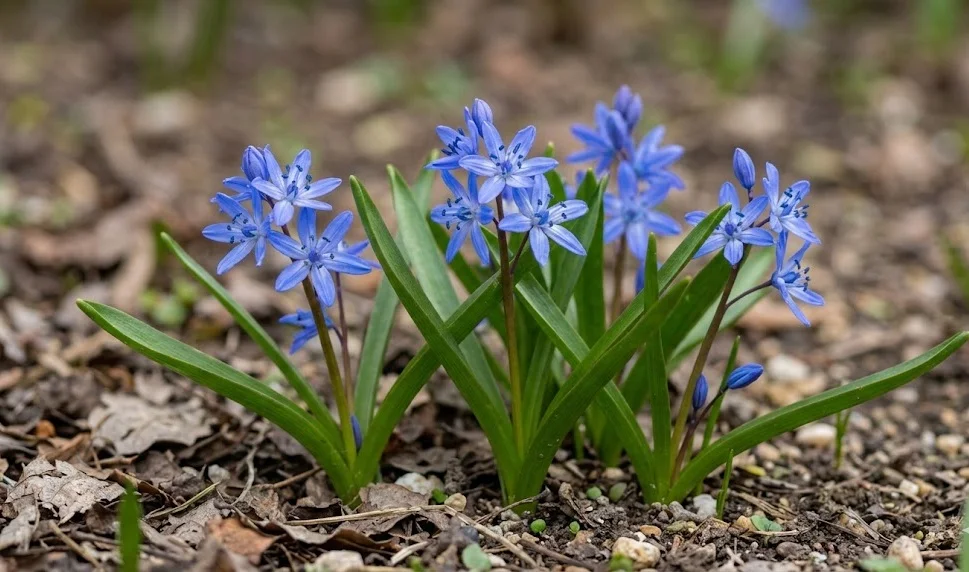
In some regions, birds may be attracted to the bright blue flowers and can peck at them, causing physical damage. This is usually a minor issue and rarely impacts the long-term health of the bulb colony. However, if it becomes a persistent problem, light reflective tape or small garden ornaments can help deter the birds from the area. Understanding the behavior of your local wildlife is an essential part of being a successful and professional garden manager.
Integrated pest management
Integrated Pest Management (IPM) is a holistic approach that combines various strategies to manage pests and diseases with minimal environmental impact. The first step is always monitoring and identifying the specific problem before deciding on a course of action. This prevents the unnecessary use of chemicals and ensures that any intervention is targeted and effective. A professional gardener spends as much time observing the plants as they do performing manual tasks.
Physical and cultural controls are the foundation of a good IPM strategy for these spring-flowering bulbs. This includes choosing the right planting site, maintaining proper hygiene, and using barriers to protect the plants from animals. Removing diseased material and keeping the area free of weeds reduces the environmental stressors that favor pests and pathogens. These simple, proactive measures are often enough to prevent the majority of common garden problems.
Biological controls involve encouraging or introducing natural enemies of the pests to the garden ecosystem. This can include planting a variety of flowers to attract beneficial insects or providing habitats for birds and toads. A diverse garden is a more stable one, where pest populations are kept in check by their natural predators. This reduces the need for human intervention and creates a more sustainable and healthy environment for your bulbs.
As a last resort, chemical interventions may be used if a pest or disease threat becomes unmanageable through other means. When using chemicals, it is vital to choose the least toxic option and follow all safety instructions precisely. Targeted applications to specific plants are always preferred over broad-spectrum treatments that can harm beneficial organisms. A professional approach to IPM ensures that the beauty of the garden is protected in a responsible and sustainable way.