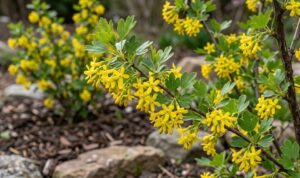
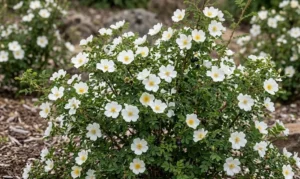
Establishing a new plantation of the natal plum requires a thoughtful approach to site selection and initial preparation to ensure long-term success. This evergreen shrub is remarkably adaptable, yet it reaches its full potential when the environmental conditions closely mirror its native subtropical habitat. The process begins with identifying a location that offers the right balance of sun exposure, soil drainage, and protection from the elements. A well-planned start is the most effective way to minimize future maintenance challenges and foster a robust, productive specimen.
Before any digging begins, the professional horticulturist must assess the microclimate of the intended planting area. Coastal regions are particularly suitable due to the plant’s high tolerance for salt spray and wind, which are common challenges for many other species. In inland areas, selecting a site with a southern exposure can help maximize warmth and protect the plant during the cooler months. Proper placement is not just about survival; it is about providing the energy needed for the plant to produce its signature fragrant blooms and edible fruits.
The physical preparation of the site involves more than just making a hole in the ground; it is about creating a hospitable environment for root expansion. Loosening the soil in a wide radius around the planting spot allows the young roots to penetrate the earth more easily as they establish themselves. Incorporating high-quality compost into the native soil improves the structure and provides an initial boost of organic nutrients. This preparation stage is the ideal time to address any underlying drainage issues that could otherwise lead to root rot in the future.
When the site is ready, the timing of the planting should be chosen to coincide with the most favorable weather patterns for root development. In many regions, planting in the early spring allows the shrub to become established before the intense heat of summer arrives. If planting occurs in warmer periods, extra care must be taken to ensure consistent moisture levels are maintained during the critical first few weeks. A successful planting operation sets the tone for the entire lifecycle of the shrub, leading to a healthy and visually stunning addition to the landscape.
Soil preparation and precise planting techniques
The quality of the soil into which the shrub is introduced will dictate its growth rate and overall resilience for years to come. Professional standards dictate that the planting hole should be at least twice as wide as the root ball, but no deeper, to encourage lateral root growth. This wide, shallow approach prevents the plant from settling too deep, which can lead to trunk rot and oxygen deprivation for the roots. Ensuring the sides of the hole are not glazed or compacted allows the tender new roots to break through and integrate with the surrounding earth.
More articles on this topic
Achieving the correct soil texture is a priority, as this species is particularly sensitive to “wet feet” caused by poor drainage. If the native soil is heavy in clay, it may be necessary to create a raised mound or incorporate significant amounts of grit and organic matter to improve aeration. Mixing the amended soil thoroughly ensures that there are no sharp boundaries between different soil types, which can sometimes interfere with water movement. A consistent and well-aerated medium is the best guarantee for a rapidly developing and healthy root system.
Once the shrub is placed in the hole, it is important to backfill with care, eliminating air pockets that could cause the roots to dry out. Gently tamping down the soil as the hole is filled provides the necessary stability without over-compacting the delicate structure of the amended earth. The plant should be situated so that the top of the root ball is level with or slightly above the surrounding soil surface. This positioning is a simple but effective professional technique to ensure that water does not pool around the main stem of the plant.
After the planting is complete, a thorough initial watering is essential to settle the soil and provide immediate hydration to the roots. This first irrigation should be deep and slow, ensuring that the moisture reaches the very bottom of the planting hole. Applying a layer of mulch around the base, while keeping it a few inches away from the trunk, helps to retain this vital moisture and regulate soil temperature. Following these precise steps ensures that the transition from the nursery container to the permanent landscape is as seamless and stress-free as possible.
Propagation through semi-hardwood cuttings and rooting
For many professional growers, propagating from cuttings is the preferred method for expanding a collection or creating a uniform hedge. This technique ensures that the new plants are genetically identical to the parent, preserving desirable traits such as fruit quality or growth habit. The best time to take cuttings is typically in the late summer when the new growth has begun to firm up but is not yet fully woody. Selecting healthy, vigorous shoots from the current season’s growth provides the highest probability of successful rooting.
More articles on this topic
Preparing the cuttings requires a sharp, sanitized blade to make clean cuts that minimize damage to the plant tissue. Each cutting should be approximately four to six inches long, with the lower leaves removed to expose the nodes where new roots will eventually emerge. Professional horticulturists often use a rooting hormone to stimulate the process and protect the cutting from fungal infections during the vulnerable early stages. Placing the prepared cuttings into a well-aerated, sterile rooting medium, such as a mix of perlite and peat, provides the ideal balance of moisture and oxygen.
Maintaining a high-humidity environment is critical for the survival of the cuttings before they develop their own root systems. This is often achieved by placing the propagation trays in a mist house or covering them with a clear plastic dome to prevent excessive transpiration. Indirect light is preferred during this stage, as direct sunlight can cause the cuttings to overheat and dry out before they can hydrate themselves. Consistent temperature and moisture levels must be monitored daily to ensure that the environment remains conducive to growth.
Signs of successful rooting usually appear within six to eight weeks, at which point the new plants can be slowly acclimated to less humid conditions. Once a strong root system is visible, the young shrubs are ready to be potted into a more nutrient-rich potting soil to continue their development. This intermediate stage allows the plants to gain strength and size before they are finally moved to their permanent locations in the garden. Propagating from cuttings is a rewarding process that allows for the cost-effective production of high-quality plant material for large-scale projects.
Seed germination and seedling management protocols
While propagation from cuttings is common, growing the shrub from seed offers a fascinating look at the natural diversity of the species. The seeds are harvested from fully ripened fruits, which are then cleaned of pulp and dried slightly before being sown. Because the seeds lose viability relatively quickly, they should be planted as soon as possible after harvest for the best results. Sowing them in a light, well-draining seed-starting mix ensures that the emerging seedlings can easily push through the surface.
The germination process requires a warm environment, ideally with soil temperatures maintained between 21 and 25 degrees Celsius. Providing bottom heat can often speed up the process and result in a more uniform emergence of the young plants. The moisture levels in the seed trays must be kept consistent, as even a brief period of drying can be fatal to the germinating embryos. Patience is required, as it can take several weeks for the first green shoots to appear above the soil line.
Once the seedlings have developed their first set of true leaves, they need to be provided with bright, indirect light to prevent them from becoming leggy. At this stage, a very dilute application of a balanced liquid fertilizer can help support their initial growth and strengthen their stems. It is important to avoid over-watering, as young seedlings are particularly susceptible to damping-off and other fungal diseases. Proper spacing between the plants ensures good airflow, which is essential for maintaining a healthy environment in the nursery.
Transplanting the young seedlings into individual containers is the next step in their journey toward becoming mature shrubs. This should be done carefully to avoid damaging the delicate root systems that are still in the early stages of development. As the plants grow, they can be gradually introduced to more direct sunlight to harden them off for outdoor conditions. Starting from seed is a slower process than using cuttings, but it provides a robust foundation for long-term growth and the potential for discovering unique plant characteristics.