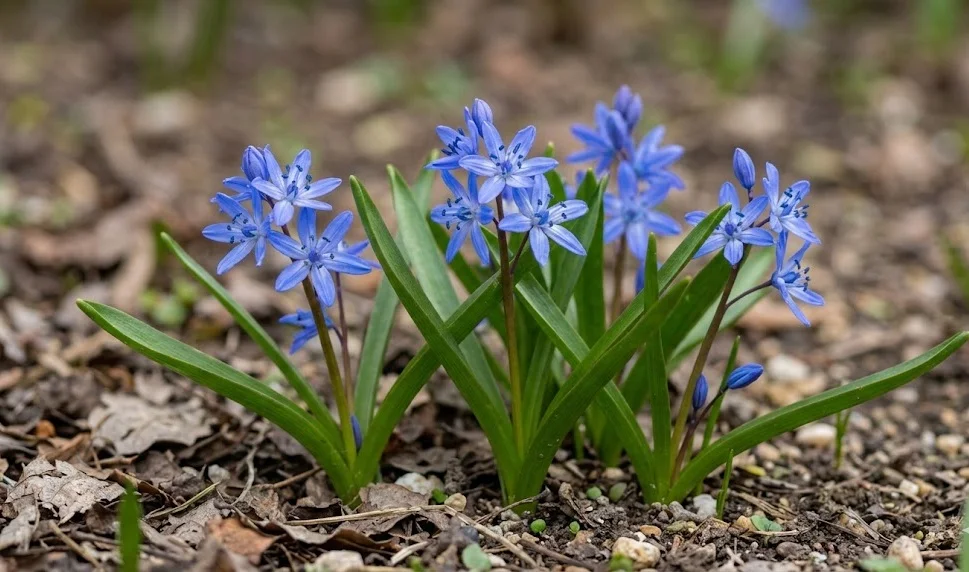

Caring for this delicate spring bulb requires a nuanced understanding of its natural habitat and growth cycle to ensure a vibrant display every year. These plants are cherished for their star-shaped blue flowers that emerge early in the season, signaling the end of winter’s dormancy. While they are relatively low-maintenance, providing the right environmental conditions is essential for their long-term health and vigor in a garden setting. A professional approach to their cultivation involves monitoring soil moisture, light levels, and nutrient availability throughout the changing seasons.
Understanding environmental needs
The first step in expert care is recognizing that these plants thrive in conditions that mimic the forest floor where they naturally originate. They prefer cool, moist environments during their active growth phase in early spring before the canopy fully closes. Temperatures should remain moderate, as extreme heat can trigger early dormancy and reduce the flowering period significantly. Providing a stable microclimate within the garden will help the bulbs establish themselves and return more reliably each year.
Consistent observation of the weather patterns is helpful for any gardener looking to maintain a healthy population of these flowers. Sudden frosts or unseasonably warm spells can impact the development of the delicate foliage and blossoms. Protecting the growing area from harsh winds will prevent physical damage to the slender stems and maintain the humidity levels they enjoy. By respecting these basic environmental preferences, you ensure a strong foundation for the plant’s overall biological success.
The surrounding vegetation also plays a crucial role in creating the ideal environment for these spring ephemerals. Planting them near deciduous trees or shrubs provides the necessary dappled sunlight they need before the leaves emerge. This symbiotic relationship helps manage soil moisture and provides a natural source of organic matter through leaf fall. Understanding these ecological connections allows for a more holistic approach to garden management and plant health.
Finally, the geographical location and hardiness zone must be considered when planning for long-term care. These bulbs are quite hardy and can withstand significant cold, but they do require a period of chilling to bloom effectively. If the winter is too mild, the following spring display might be sparse or lack the characteristic intensity of color. Expert gardeners often track these seasonal shifts to predict the timing and quality of the upcoming floral exhibition.
More articles on this topic
Soil composition and structure
The foundation of any successful gardening endeavor lies in the quality of the soil, and this species is no exception to that rule. They require a well-draining medium that is rich in organic matter to support their rapid spring growth and bulb development. Heavy clay soils should be amended with compost or grit to improve aeration and prevent the bulbs from rotting during wet periods. A loose, friable soil structure allows the delicate root systems to penetrate deeply and access essential moisture.
Maintaining a slightly acidic to neutral pH is generally recommended for optimal nutrient uptake and plant health. You can test your soil regularly to ensure it falls within the preferred range for forest-dwelling bulbous plants. If the soil is too alkaline, adding peat moss or sulfur can help adjust the chemistry to a more suitable level. Healthy soil biology, including beneficial fungi and earthworms, further enhances the structure and fertility of the planting site.
Drainage is perhaps the most critical factor when considering the soil environment for these specific bulbs. While they enjoy moisture during their growth phase, stagnant water around the bulbs during dormancy is a recipe for fungal issues. Raised beds or sloping areas of the garden can be excellent choices if your natural soil tends to hold too much water. Ensuring that the site is well-ventilated also helps the soil surface dry out appropriately between rain events.
Organic mulch applied to the soil surface can provide numerous benefits, including temperature regulation and moisture retention. A thin layer of shredded leaves or fine bark mimics the natural forest floor and gradually breaks down to feed the soil. This practice also helps suppress weeds that might compete with the small bulbs for space and nutrients. Professional gardeners often refresh this mulch layer in late autumn to prepare the ground for the upcoming growing season.
More articles on this topic
Seasonal maintenance routines
A professional maintenance schedule begins in the late winter as the first signs of growth start to peek through the soil. This is the time to clear away any heavy debris or thick layers of old mulch that might obstruct the emerging shoots. Careful cleaning of the area ensures that the delicate flowers have a clear path to the sunlight and prevents physical deformities. It also allows you to inspect the health of the emerging colony and identify any early issues.
Once the flowering period concludes, the focus shifts to supporting the foliage as it gathers energy for the following year. It is imperative to leave the green leaves intact until they naturally turn yellow and wither away completely. This process, known as senescence, allows the plant to transport vital carbohydrates back into the bulb for storage. Cutting the leaves too early is one of the most common mistakes that leads to declining bloom quality over time.
As the plants enter their summer dormancy, the maintenance requirements decrease, but the area should not be entirely forgotten. Marking the location of the bulbs is a wise practice to prevent accidental digging or damage during summer gardening tasks. You should avoid over-watering the dormant bulbs if they are planted among other summer perennials that require frequent irrigation. A relatively dry summer rest period often mimics their natural habitat and promotes better flowering in the spring.
In the autumn, a light application of organic material can help replenish the soil before the winter freeze sets in. This is also the ideal time to thin out crowded patches or relocate bulbs to new areas of the garden. Keeping the planting site free of aggressive weeds during the autumn will reduce competition when the bulbs wake up again. Proper seasonal timing ensures that the plants are always one step ahead of their biological requirements.
Monitoring growth and vigor
Regularly assessing the health of your plants is a hallmark of professional gardening and allows for proactive intervention. You should look for consistent leaf color, sturdy stems, and a high density of flowers across the entire colony. If you notice a sudden decline in the number of blooms, it may indicate that the bulbs have become too crowded. Stunted growth or pale foliage can also be signs of nutrient deficiencies or unfavorable soil conditions.
The size and quality of the flowers themselves provide valuable feedback regarding the success of your care routine. Vibrant, deep blue petals and healthy reproductive parts suggest that the plant is receiving adequate light and moisture. On the other hand, small or distorted blossoms might suggest environmental stress or the presence of pests. Taking notes or photographs each year can help you track the progress of the colony over several seasons.
Vigor can also be measured by how quickly the plants naturalize and spread throughout the designated garden area. A healthy population will gradually increase in size through bulb offsets and occasional self-seeding in favorable spots. If the colony remains static or begins to shrink, it is time to investigate the underlying causes such as soil compaction. Healthy competition with other non-aggressive groundcovers can also be a sign of a well-balanced garden ecosystem.
Observing the timing of the emergence and flowering provides clues about the local microclimate and seasonal trends. Early or late blooms can be correlated with soil temperatures and moisture levels recorded throughout the late winter. This data is incredibly useful for adjusting your maintenance tasks, such as when to apply mulch or begin supplemental watering. Professional monitoring turns simple gardening into a more scientific and rewarding horticultural practice.
Integration into garden design
From a design perspective, these bulbs are most effective when planted in large drifts rather than isolated small groups. Their small stature means they can easily be overlooked if not given enough visual weight through repetition and massing. They work beautifully under the canopy of deciduous trees where they can bloom before the trees leaf out. This layering approach creates a dynamic and ever-changing landscape that maximizes the use of space.
Consider pairing these blue flowers with contrasting colors such as yellow primroses or white wood anemones for a classic spring look. The cool blue tones also complement the emerging bronze foliage of certain ferns and perennials like hostas. Because they go dormant in early summer, they should be placed where later-growing plants can fill the resulting gaps. This ensures that the garden remains attractive even after the spring ephemerals have disappeared.
The texture of the foliage and flowers can also be used to create interest along garden paths or near rock features. Their low growth habit makes them perfect for the front of a border where their detail can be appreciated up close. They are also excellent candidates for naturalizing in lawns, provided the grass is not mown until the bulb foliage has matured. This “meadow” style of planting adds a romantic and wild feel to any traditional or modern garden.
Using these bulbs in containers is another professional design strategy that allows for portable bursts of color. Pots can be placed on patios or near entryways where the fragrance and beauty of the flowers can be enjoyed daily. Once the blooming is over, the containers can be moved to a less prominent location while the foliage matures. This flexibility makes them an invaluable tool for creating high-impact focal points in smaller outdoor spaces.
Longevity and rejuvenation
To maintain a vibrant display for decades, periodic rejuvenation of the bulb colony is often necessary for the best results. Every three to five years, you might find that the center of a patch becomes less productive due to exhaustion. Lifting and dividing the bulbs in the late summer or early autumn can breathe new life into an aging stand. This process provides fresh space and uncompacted soil for the bulbs to expand their root systems.
During the division process, you should carefully inspect the bulbs for any signs of decay or physical damage. Only the firmest and healthiest specimens should be replanted to ensure the continued strength of the entire population. Discarding any soft or diseased bulbs prevents the spread of pathogens to the new planting site. Replanting at the correct depth and spacing is vital to the success of this rejuvenation effort.
Soil enrichment during the lifting and dividing phase is a great way to provide a long-term nutrient boost. Incorporating well-rotted manure or high-quality compost into the empty planting holes improves the chemical and physical properties of the site. This immediate infusion of organic matter supports rapid root re-establishment before the ground freezes for the winter. Plants treated this way often show significantly increased vigor and flower production in the following seasons.
Consistency in basic care is the most effective way to ensure the longevity of your lovely squill collection. Avoiding the use of harsh chemicals or excessive salts near the planting area protects the delicate soil biology. Encouraging a natural cycle of growth and rest allows the bulbs to maintain their internal reserves without unnecessary stress. A patient and observant gardener will be rewarded with a reliable blue carpet of flowers every single spring.
General aesthetic management
Managing the visual appeal of the garden requires a balance between neatness and the biological needs of the plants. While it may be tempting to tidy up yellowing leaves, resist this urge to protect the health of the bulbs. You can mask the declining foliage by planting “inter-planting” species that grow upward as the squills fade away. This keeps the garden looking professional and intentional even during the messy transition periods of early summer.
The removal of spent flower heads, or deadheading, can improve the appearance of the patch once the main bloom is over. While not strictly necessary for the health of the plant, it prevents the formation of seeds and focuses energy on the bulb. However, if you wish for the plants to naturalize and spread through seeding, the flower heads must be left alone. Deciding between a tidy look and a self-spreading colony is a personal design choice for every gardener.
Keeping the surrounding area free of invasive weeds and encroaching turf is essential for a clean aesthetic. Weeds can quickly overwhelm the small squill plants and detract from the delicate beauty of their star-shaped blossoms. A well-defined edge between the planting bed and the lawn creates a professional finish that highlights the intended design. Regular light maintenance is much easier and more effective than infrequent heavy interventions.
Finally, consider the winter appearance of the planting site to ensure it does not look like a barren wasteland. Evergreen groundcovers or decorative mulches can provide visual interest during the months when the bulbs are hidden underground. Placing small stones or garden ornaments can also help mark the spot and add structure to the landscape. A thoughtful approach to aesthetic management ensures that the garden is a source of pride throughout the entire year.