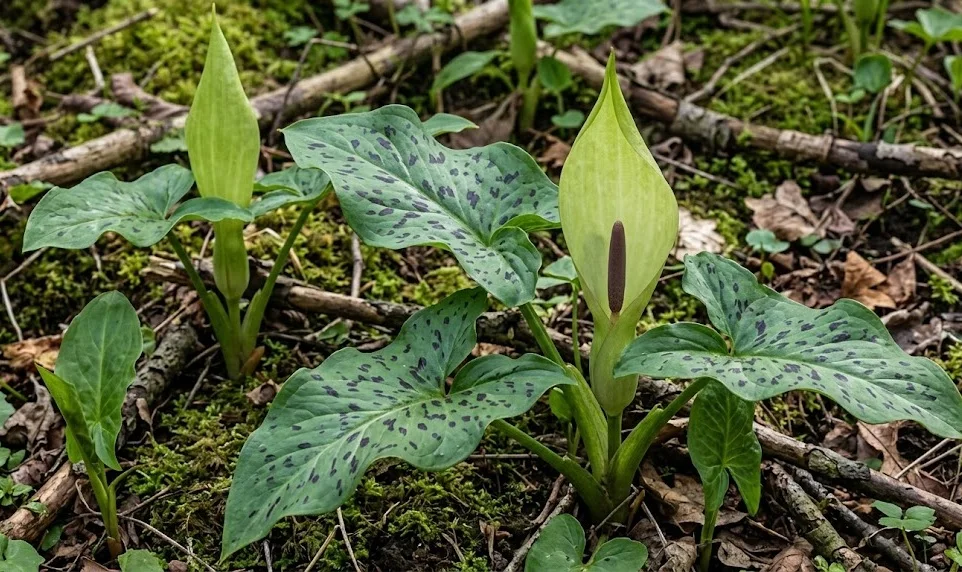

Preparing these hardy woodland perennials for the winter months is a straightforward process that focuses on protecting the underground tubers from extreme conditions. Although they are well-adapted to cold climates, certain precautions can ensure they emerge with maximum vigor when the spring arrives. The goal of overwintering is to maintain a stable environment that prevents the soil from fluctuating too wildly in temperature and moisture. By following a few professional tips, you can guarantee the long-term survival of your colony even through the harshest winter weather.
The onset of natural winter dormancy
As the autumn days shorten and the temperatures begin to drop, these plants enter their deepest state of dormancy. The visible parts of the plant, including the berries and the central stalk, will have completely withered away by this point. Beneath the surface, however, the tuber is very much alive and is undergoing internal changes to survive the freezing temperatures. This dormancy is a critical part of the plant’s lifecycle, providing the rest needed for the explosive growth of the coming spring.
During this phase, the metabolic rate of the plant drops to a minimum, and it stops requiring any external nutrients or active watering. The primary threat during early winter is not the cold itself, but rather the potential for the soil to become waterlogged. Saturated soil in winter can lead to oxygen deprivation and fungal rot, which can destroy even the healthiest tubers. Ensuring the planting site remains well-drained throughout the rainy autumn and winter seasons is the gardener’s most important task.
It is helpful to leave the area undisturbed during the transition into winter to allow the natural processes to occur without interference. Any remaining organic matter from the plant will naturally break down and contribute to the soil’s humus layer. If the garden looks a bit too untidy for your preference, you can gently clear the surface, but be careful not to dig into the soil. Maintaining a “quiet” zone around the dormant tubers allows them to settle into their winter rest undisturbed.
Recognizing the signs of dormancy is important for avoiding unnecessary interventions that could harm the plant. Some gardeners worry when they see no sign of life for several months, but for these woodland species, this is perfectly normal. Trust in the evolutionary adaptations of the plant, which have allowed it to survive in the wild for thousands of years. The winter period is simply a time of hidden preparation for the spectacular display that will follow in just a few months.
More articles on this topic
Natural protection and mulching techniques
In their native woodland habitats, these plants are protected from the worst of the winter frost by a thick layer of fallen leaves. You can replicate this natural insulation in your garden by applying a generous mulch of leaf mold, bark chips, or well-rotted compost. A layer about five to ten centimeters thick is usually sufficient to keep the soil temperature stable and prevent deep freezing. This mulch also helps to suppress any winter-growing weeds that might compete for space in the spring.
The best time to apply this winter mulch is in late autumn, after the first light frost but before the ground has frozen solid. This timing helps to trap some of the residual warmth in the soil, providing a more gradual transition for the underground tubers. Make sure the mulch is spread evenly over the entire area where the colony is located, extending a bit beyond the visible planting zone. This ensures that the surrounding soil also remains insulated, preventing frost from creeping in from the sides.
In addition to thermal protection, the mulch serves as a barrier against the physical impact of heavy winter rains. It prevents the soil surface from becoming compacted or “capped,” which can interfere with the emergence of the delicate spring shoots. As the organic matter slowly breaks down over the winter, it also improves the soil structure and adds to the nutrient bank. Using natural materials ensures that your gardening practices remain in harmony with the plant’s evolutionary background.
If you live in an area with particularly severe winters or very little snow cover, you might consider an even thicker layer of protection. Evergreens boughs laid over the mulch can provide an extra buffer against drying winter winds and extreme temperature drops. Once the danger of the hardest frosts has passed in late winter, these boughs can be removed to allow the first spring shoots to push through. This layered approach to protection is a professional secret for ensuring the survival of choice woodland perennials.
More articles on this topic
Managing moisture and drainage in winter
Winter moisture management is a delicate balance that can make the difference between a thriving colony and a collection of rotting tubers. While the plants need the soil to remain slightly damp, they are highly sensitive to “sitting” in cold, stagnant water. If your garden is prone to winter flooding or has very heavy soil, you must take steps to improve the drainage before the wet season begins. This might involve creating small drainage channels or incorporating more grit into the soil surface.
During periods of heavy snow, the snow itself acts as an excellent insulator, protecting the ground from the coldest air temperatures. However, as the snow melts, it can release a large volume of water very quickly, potentially saturating the soil. Observe how the meltwater moves through your garden and ensure it isn’t pooling directly over your precious woodland plants. Good soil structure, rich in organic matter, is the best way to handle these sudden influxes of moisture.
If the winter is unusually dry and the ground is not frozen, a very occasional check of the soil moisture may be necessary. If the soil feels bone-dry several centimeters down, a light watering on a mild day can prevent the tubers from desiccating completely. However, this is rarely needed in most temperate climates where winter rainfall is sufficient. Always err on the side of caution, as overwatering in winter is far more dangerous than underwatering.
Proper drainage also helps to prevent the formation of “ice lenses” in the soil, which can physically heave the tubers out of the ground. This phenomenon, known as frost heaving, can expose the sensitive tissues to the air and lead to certain death. A well-drained, mulched soil is much less likely to experience this problem, keeping the tubers safely tucked away underground. Managing the winter water cycle is an essential skill for any professional gardener working with tuberous perennials.
Spring recovery and early observations
As the days begin to lengthen and the soil temperature starts to rise, the first signs of the winter rest ending will appear. You should start looking for the pointed, pale green tips of the new leaves as early as late February or early March. This is an exciting time in the garden, signaling that your overwintering efforts have been successful. Carefully pull back some of the thicker mulch if it seems to be obstructing the path of the emerging shoots.
The early spring is also the time to keep an eye out for any damage that may have occurred during the winter. If some tubers have been pushed to the surface by frost or disturbed by animals, gently replant them at the correct depth immediately. You may also want to apply a very light fresh layer of compost to give the plants a gentle nutrient boost as they start their active growth. Being present and observant during these first few weeks of spring is key to a successful growing season.
Late spring frosts can sometimes nip the tips of the newly emerged leaves, causing them to turn brown or black. While this is usually just cosmetic and won’t kill the plant, you can protect early shoots with a piece of horticultural fleece on particularly cold nights. Once the leaves have fully expanded and the danger of frost has passed, the plant is well on its way to its full spring glory. The transition from the silent winter to the vibrant spring is one of the most rewarding aspects of gardening.
Finally, take the time to evaluate how your overwintering strategy worked and make notes for the following year. Did the mulch stay in place? Was the drainage sufficient? This kind of reflection allows you to refine your techniques and become a more effective steward of your garden. Each winter provides a new opportunity to learn more about the resilience and requirements of these fascinating plants. With a bit of care and foresight, they will continue to thrive for many years to come.