
Understanding the specific light preferences of these spring ephemerals is crucial for ensuring a long-lasting and colorful display in any garden. These plants have evolved to take advantage of a very narrow window of time when the forest floor is bathed in sunlight before the trees leaf out. Professional placement involves balancing this need for early-season brightness with the requirement for cooling shade during the summer dormancy. A thoughtful approach to lighting will not only improve the quality of the flowers but also the overall health of the bulb population.
Ideal sun exposure levels
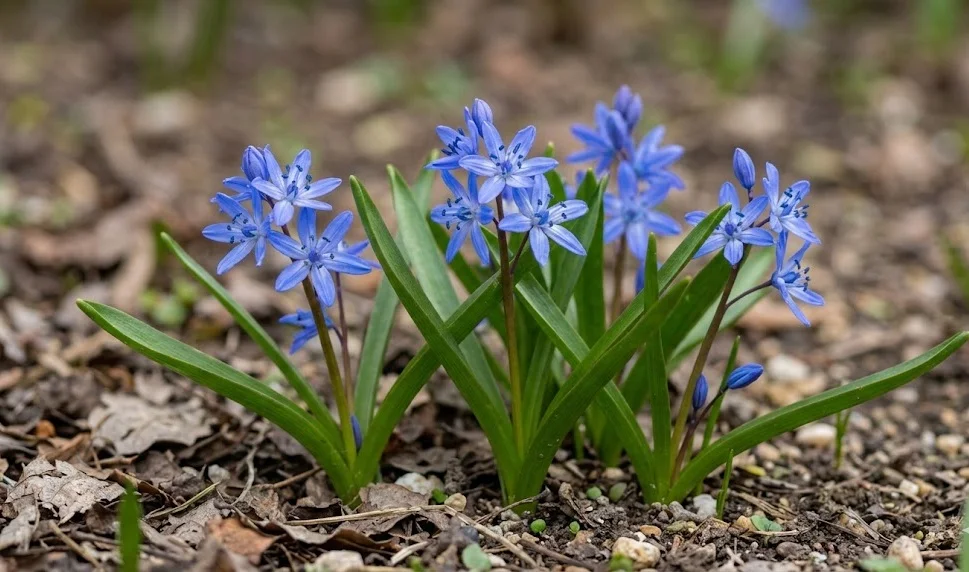
In the early spring, these bulbs thrive in full sun to partial shade, where the light is strong enough to trigger robust flowering. This intense light provides the energy needed for the plant to complete its entire active life cycle in just a few short weeks. Without enough sunlight, the stems may become elongated and weak, and the flowers will lack their characteristic deep blue intensity. Ideally, the planting site should receive at least six hours of direct light during the months of March and April.
The unique advantage of these plants is that they can be grown under the canopy of deciduous trees. Because they bloom before the trees produce their leaves, they receive the full benefit of the early spring sun. This mimics their natural woodland habitat, where they have evolved to fill the ecological niche of the early season. As the trees leaf out, the squills transition into their dormant phase, protected by the cool shade provided by the branches above.
If you are planting in an open area without trees, choose a spot that is not shaded by buildings or evergreen hedges during the spring. South or east-facing borders are generally the best locations for achieving the necessary light levels. While they can tolerate some shade, a site that is too dark will lead to a gradual decline in the number of bulbs over time. Monitoring the light patterns in your garden throughout the day will help you identify the most professional placement.
Sunlight also plays a vital role in warming the soil after the winter freeze, which signals the bulbs to begin their growth. A sunny spot will often produce flowers several days or even weeks earlier than a shaded one. This variation can be used to your advantage by planting bulbs in different areas to extend the overall blooming season. By understanding the relationship between light and soil temperature, you can master the timing of your spring garden.
More articles on this topic
Shade tolerance and adaptation
While they crave the spring sun, these bulbs are remarkably adaptable to varying levels of shade as the season progresses. They are well-suited to “dappled shade” conditions, where the light is filtered through the thin branches of shrubs or small trees. This filtered light provides enough energy for the foliage to mature without the stress of intense midday heat. In fact, a bit of afternoon shade can actually help the flowers last longer by preventing them from wilting in the sun.
Complete, permanent shade is generally not recommended for these plants, as it leads to poor flowering and weak bulb development. If the site is too dark even in the spring, the bulbs will eventually exhaust their stored energy and stop returning altogether. If you must plant in a shadier area, choose species that are known for their high shade tolerance and provide excellent soil. You may also need to thin out overhead branches occasionally to allow more light to reach the garden floor.
During the summer months, the bulbs actually prefer to be in the shade while they are in their dormant state. This keeps the soil temperature cooler and reduces the risk of the bulbs drying out too much or rotting in the heat. Planting them among summer-blooming perennials like hostas or ferns is a professional design strategy that provides this necessary summer shade. The larger leaves of the perennials hide the yellowing foliage of the bulbs and create a stable environment for the dormant season.
Understanding the difference between early-season sun and late-season shade is the key to successful bulb gardening. It is not about providing the same light level all year round, but rather matching the light to the plant’s current biological stage. A professional gardener observes how the shadows move across the landscape as the sun’s position changes with the seasons. This dynamic awareness allows for the creation of a garden where every plant receives exactly what it needs at the right time.
More articles on this topic
Seasonal light fluctuations
The angle and intensity of the sun change significantly from the first emergence of the shoots to the final yellowing of the leaves. In the late winter, the low angle of the sun means that shadows are longer and the light is less intense. As spring progresses, the sun rises higher in the sky, providing more direct and powerful energy to the garden. The bulbs are perfectly timed to capture this increasing energy and turn it into a spectacular floral display.
One challenge in modern gardens is the presence of evergreens or structures that create permanent, deep shadows even in the early spring. These areas are often difficult for spring bulbs, as they never receive the “window” of light they need to recharge. Before planting, it is wise to observe the garden during the month of March to see which areas stay in the dark all day. Avoiding these permanent shadow zones is a professional rule for ensuring the longevity of your squill collection.
Cloudy or rainy spring weather can also impact the light availability and the behavior of the flowers. Many spring bulbs, including this species, will close their petals on dark, overcast days to protect their pollen. This is a natural response to the environment and does not indicate a problem with the health of the plant. Once the sun returns, the flowers will open again, showcasing their vibrant colors and attracting early-season pollinators.
As the days get longer and the sun stays up later, the plants must work quickly to finish their growth before the heat of summer arrives. The increasing day length is another biological cue that tells the plant it is time to shift from flowering to seed production and storage. By the time the summer solstice arrives, the bulbs should be safely dormant underground, protected from the strongest light of the year. This seasonal synchronization is a beautiful example of nature’s precision and a guide for professional garden management.
Signs of lighting issues
Being able to read the signs that a plant is unhappy with its light levels is a valuable skill for any professional horticulturalist. If the flowers are sparse and the stems are leaning heavily toward the nearest light source, the plant is likely not getting enough sun. This “reaching” behavior, known as phototropism, is a clear indication that the site is too shaded for optimal growth. Over time, these shaded plants will become smaller and may eventually disappear from the garden.
On the other hand, if the foliage appears scorched or turns yellow much earlier than expected, the site might be too hot and sunny. While they like the spring sun, the combination of intense light and dry soil can be stressful for these woodland plants. If you see signs of heat stress, consider adding more organic matter to the soil or providing some light afternoon shade. Adjusting the environment to find the “sweet spot” of light and temperature is the goal of professional care.
Another sign of lighting issues is the failure of the bulbs to naturalize or spread as expected. A happy colony in the right light will produce many seeds and offsets, gradually filling the surrounding area with blue flowers. If the patch remains stagnant or shrinks, it is time to re-evaluate the light levels during the critical spring growth period. Moving a few bulbs to a sunnier location can serve as a test to see if light is the limiting factor.
Keep a garden journal to record the flowering dates and quality of the blooms in different parts of your yard. You may find that certain microclimates are much better suited to these bulbs than others due to subtle differences in light. This data-driven approach allows you to make professional decisions about where to expand your collection and where to try different species. Success with the lovely squill is ultimately a matter of putting the right plant in the right light at the right time.