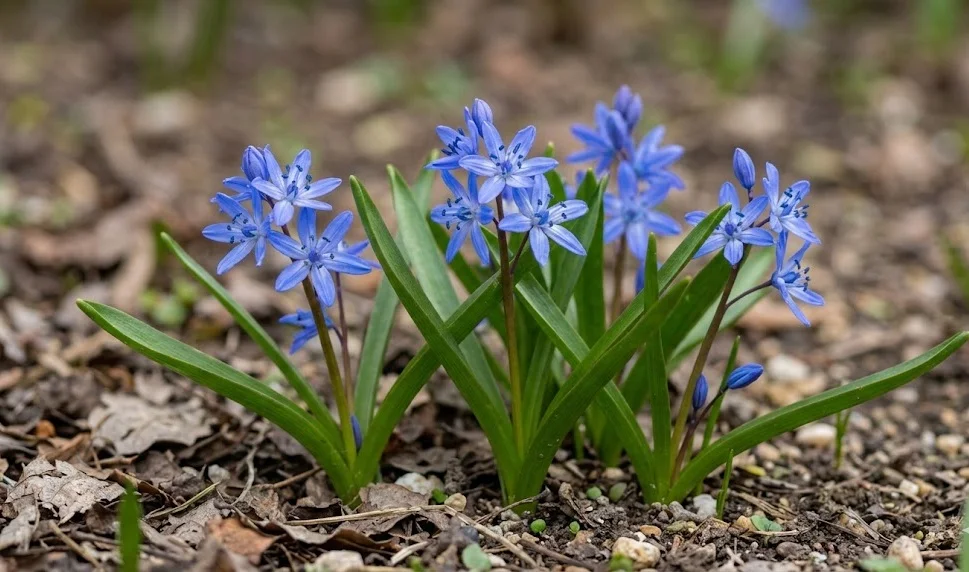

Providing the correct balance of hydration and nutrients is a cornerstone of professional bulb management and long-term success. These early spring bloomers have specific physiological requirements that change as they transition from dormancy to active growth and back again. Understanding when to supplement natural rainfall and when to provide a nutritional boost can make the difference between a mediocre display and a spectacular one. A disciplined approach to these tasks ensures that the bulbs remain healthy, productive, and resistant to environmental stressors.
Optimal irrigation schedules
The primary watering period for these plants occurs during the late winter and early spring when the foliage and flowers are actively developing. During this time, the soil should be kept consistently moist but never allowed to become truly saturated or swampy. If natural rainfall is insufficient, supplemental watering may be necessary to prevent the delicate tissues from wilting. Early morning is the best time to water, as it allows the foliage to dry before evening, reducing the risk of disease.
As the flowers begin to fade and the foliage starts its maturation process, the need for water remains significant but starts to taper off. This is the phase where the plant is working hard to store energy in the bulb for the following year. Allowing the soil to dry out completely at this stage can prematurely end the growing season and weaken the bulb. You should monitor the soil moisture regularly by feeling the top inch of soil with your fingers to ensure it stays damp.
Once the foliage has completely turned yellow and died back, the plants enter their summer dormancy period. During this time, their water requirements drop dramatically, and they actually prefer a relatively dry environment. Excessive irrigation during the summer months is one of the leading causes of bulb rot and fungal infections in established colonies. If they are planted among summer perennials, try to target the water specifically to the active plants rather than the dormant bulb area.
In the autumn, as the soil temperatures begin to drop, the bulbs will start to grow new roots in preparation for the winter. If the autumn is particularly dry, a few deep waterings can help support this critical root development phase. This moisture ensures that the bulbs are well-hydrated and firmly anchored before the ground freezes. Maintaining a professional awareness of these changing seasonal needs is the hallmark of a successful gardener.
More articles on this topic
Water quality and drainage
The quality of the water used in the garden can have a long-term impact on the health of the soil and the bulbs themselves. Whenever possible, using harvested rainwater is the best choice as it is naturally soft and free of the chemicals found in municipal supplies. If you must use tap water, allowing it to sit in a container for a few hours can help some of the chlorine dissipate. Avoiding the use of softened water is also recommended, as the added salts can build up in the soil over time.
Proper drainage is the essential partner to a good watering routine and must be addressed during the initial planting phase. Even with perfect irrigation, a site that holds water will eventually lead to the decline of the bulb colony. You can test the drainage of your site by digging a small hole, filling it with water, and timing how long it takes to empty. If the water lingers for more than an hour, the drainage is likely insufficient for these sensitive bulbs.
In gardens with heavy clay soil, the risk of “drowning” the bulbs is much higher during periods of heavy spring rain. Creating a slightly mounded planting area or incorporating grit into the soil can provide the necessary escape routes for excess water. This structure ensures that oxygen can always reach the roots, which is just as important as moisture for plant health. A professional approach involves managing both the input of water and its movement through the soil profile.
Mulching can also help manage water levels by preventing rapid evaporation from the soil surface during dry spells. A thin layer of organic mulch acts as a buffer, keeping the root zone cool and moisture levels more stable. It also prevents the soil from crusting over, which can cause water to run off the surface rather than soaking in. By combining proper irrigation with excellent drainage and mulching, you create a resilient system that supports the bulbs through various weather conditions.
More articles on this topic
Essential nutrient requirements
Like all living organisms, these bulbs require a specific set of nutrients to perform their biological functions and produce beautiful flowers. Nitrogen is needed for healthy foliage growth, while phosphorus is critical for strong root systems and floral development. Potassium plays a vital role in overall plant hardiness and the ability to withstand temperature fluctuations and disease. Understanding these core requirements allows you to choose the most effective fertilization strategy for your garden.
In a well-maintained garden with rich organic soil, supplemental fertilization may not be strictly necessary every single year. The natural decomposition of mulch and leaf litter often provides enough nutrients to sustain a healthy colony of bulbs. However, if you notice a decline in vigor or flower size over time, it may be an indication that the soil is becoming depleted. A professional soil test can provide a detailed analysis of which nutrients are lacking and guide your fertilization choices.
Timing the application of fertilizer is just as important as the type of nutrients provided to the plants. The best time to fertilize is in the early spring just as the first green shoots emerge from the ground. This provides a boost of energy right when the plant is beginning its most intensive growth phase of the year. Avoid fertilizing late in the season once the foliage has started to yellow, as the plant can no longer effectively utilize the nutrients.
Applying fertilizer directly to the soil surface around the plants is generally more effective than liquid foliar feeds for bulbous species. Be careful not to let the fertilizer come into direct contact with the foliage or the bulbs themselves, as this can cause chemical burns. Lightly scratching the granules into the soil surface and watering them in thoroughly ensures that the nutrients reach the root zone. This disciplined approach to feeding ensures that the plants have exactly what they need without the risk of over-fertilization.
Organic and mineral fertilization
Choosing between organic and mineral fertilizers is a decision that impacts both the plants and the long-term health of the soil. Organic options, such as compost, bone meal, or seaweed extract, release their nutrients slowly as they are broken down by soil microbes. This slow-release mechanism is ideal for bulbs, as it provides a steady supply of food throughout the entire growing season. Organic fertilizers also help improve the soil structure and support a healthy ecosystem of beneficial organisms.
Mineral or synthetic fertilizers offer a more immediate and concentrated burst of nutrients that can be useful in specific situations. They are often formulated with a precise balance of nitrogen, phosphorus, and potassium (NPK) to target specific growth goals. For bulbs, a fertilizer with a lower nitrogen count and higher phosphorus and potassium levels is generally preferred. While effective for a quick boost, mineral fertilizers do not contribute to the long-term health or structure of the soil.
A professional approach often involves a combination of both organic and mineral inputs to achieve the best of both worlds. You might use a base layer of high-quality compost every autumn to maintain soil health and structure. Then, in the early spring, a light application of a balanced bulb-specific mineral fertilizer can provide the necessary energy for a spectacular bloom. This balanced strategy ensures that the immediate needs of the plants are met while the foundation of the garden remains strong.
Always follow the manufacturer’s instructions regarding application rates to avoid the negative consequences of over-fertilization. Excess nitrogen, in particular, can lead to lush but weak foliage that is more susceptible to pests and diseases. It can also encourage the growth of leaves at the expense of flower production, leading to a less impressive display. Responsible fertilization is a key part of maintaining a professional and sustainable garden environment for your bulbs.
Correcting nutrient imbalances
Recognizing the visual signs of nutrient imbalances is a skill that develops with experience and careful observation of your plants. Yellowing leaves with green veins, a condition known as chlorosis, often points to a deficiency in iron or magnesium. Stunted growth and a purplish tint to the foliage can be a sign that the plants are struggling to find enough phosphorus. By identifying these symptoms early, you can take corrective action before the health of the bulb is seriously compromised.
Correcting an imbalance often involves more than just adding more of the missing nutrient to the soil. Sometimes, the nutrient is present but unavailable to the plant due to improper soil pH or poor drainage. Adjusting the pH to a neutral range can often “unlock” these nutrients and allow the plant to absorb them naturally. Improving the soil structure through the addition of organic matter can also enhance nutrient availability and root health.
If a specific deficiency is confirmed through soil testing, targeted liquid fertilizers can provide a quick temporary fix. These are absorbed more rapidly by the roots and can help the plant recover during a critical growth phase. However, these should always be seen as a short-term solution rather than a replacement for good soil management. Long-term correction requires addressing the underlying causes of the imbalance in the soil ecosystem.
Regularly refreshing the soil with organic amendments is the most effective way to prevent nutrient imbalances from occurring in the first place. A diverse range of organic materials provides a broad spectrum of micro-nutrients that are often missing from synthetic fertilizers. This holistic approach creates a self-sustaining system where the bulbs can thrive with minimal intervention. Professional gardening is about fostering a healthy environment where the plants’ natural processes can flourish.