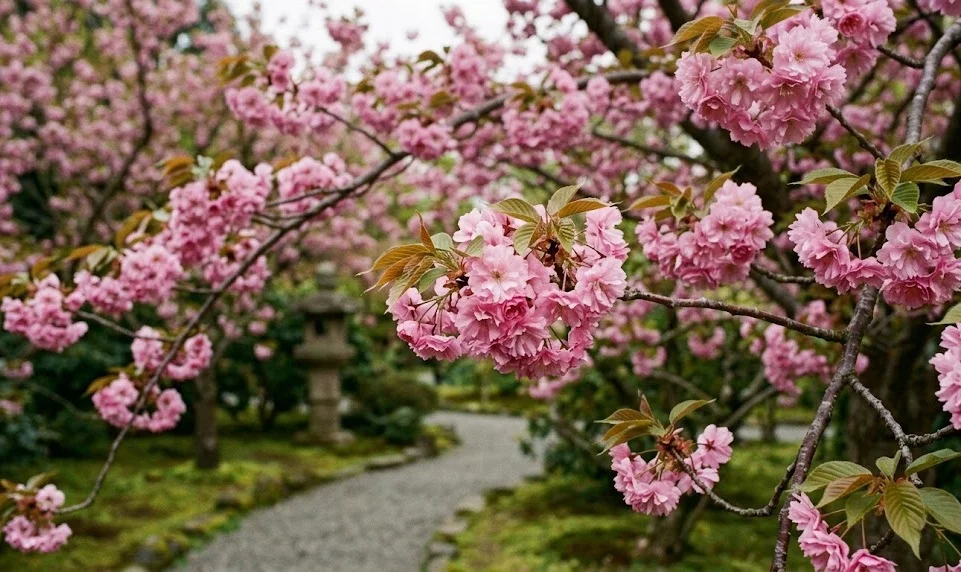

The dormant months present a unique set of challenges for the Japanese flowering cherry, requiring a specific set of preparations to ensure a successful return in spring. While these trees are generally hardy in many temperate zones, they can be vulnerable to extreme temperature fluctuations, drying winds, and physical damage from heavy snow. Professional winter care is not about active maintenance but rather about creating a protective environment that allows the tree to rest securely. This article explores the essential steps for successfully wintering these ornamental specimens and protecting the potential of the next season’s bloom.
Preparing the tree for the cold season
The process of wintering begins long before the first frost arrives, starting with the cessation of any activities that stimulate new growth. You should stop applying nitrogen-rich fertilizers by mid-summer to allow the existing wood to fully mature and “harden off” before the temperatures drop. Tender, new shoots are the most susceptible to frost damage, and stimulating their growth late in the year is a common mistake that can lead to significant dieback. Allowing the tree to naturally slow its metabolism is the first step toward a successful dormant period.
Hydration remains a critical factor even as the tree prepares to drop its leaves and enter its winter sleep. It is essential to ensure that the soil has adequate moisture levels throughout the autumn, especially if the season has been particularly dry. Desiccation, or drying out, is a major cause of winter injury, as the roots are unable to absorb moisture from frozen soil to replace what is lost to cold winds. A final, deep watering before the ground freezes solid provides the tree with a vital reservoir of hydration to last through the winter months.
Sanitation is another key part of the autumn preparation routine for a professional gardener. You should carefully collect and remove all fallen leaves from around the base of the tree to prevent the overwintering of fungal spores and pests. This simple task drastically reduces the chance of re-infection when the warm, damp days of spring return. It is also a good time to inspect the tree for any dead or diseased wood that should be removed before winter storms have a chance to break it.
Applying a fresh layer of organic mulch is one of the most effective ways to protect the root system from the stresses of winter. A layer of three to four inches of wood chips or shredded bark acts as an insulating blanket, moderating the soil temperature and preventing rapid freeze-thaw cycles. These cycles can cause the soil to heave, potentially damaging the fine feeder roots or even pushing young trees out of the ground. Proper mulching ensures the roots stay at a more consistent temperature, allowing them to remain healthy and ready for spring.
More articles on this topic
Protecting young and sensitive specimens
Young Japanese flowering cherries, particularly those planted within the last year or two, require extra attention during their first few winters. Their bark is thinner and their root systems are less established, making them more vulnerable to both environmental stress and physical damage. For these young trees, you may want to consider using a tree wrap on the lower trunk to prevent “sunscald,” which occurs when the bark warms up during the day and freezes quickly at night. This rapid temperature change can cause the bark to crack and split, creating long-lasting damage to the tree’s vascular system.
In areas where heavy snow or ice storms are frequent, providing temporary structural support can prevent branches from breaking under the weight. While you don’t want to stake a tree so tightly that it can’t move, a bit of extra stability can be a lifesaver during a severe winter event. For smaller, more delicate varieties, some gardeners use burlap screens to provide a windbreak against the most severe prevailing winter winds. These screens protect the dormant flower buds from being dried out or “blasted” by the cold, ensuring a better bloom in the spring.
Protecting the tree from wildlife is another important aspect of wintering that is often overlooked until the damage has already occurred. During the winter, when other food sources are scarce, rabbits, voles, and deer may turn to the bark and buds of your cherry tree for sustenance. Installing a wire mesh guard around the base of the trunk can prevent rodents from girdling the tree, which is a fatal injury. If deer are a problem in your area, you may need a taller fence or a repellent to protect the branches within their reach.
It is also important to monitor the tree periodically throughout the winter, especially after major weather events. If you notice heavy snow accumulating on the branches, you can gently brush it off using an upward motion to prevent the wood from snapping. However, if the branches are coated in ice, it is best to leave them alone, as the frozen wood is extremely brittle and you are likely to cause more harm than good by trying to remove it. A professional gardener knows when to intervene and when to let nature take its course during the winter.
More articles on this topic
Managing the freeze-thaw cycle
One of the most dangerous aspects of winter for a Japanese flowering cherry is not the absolute cold, but rather the fluctuation between freezing and thawing. When the sun warms the bark on a clear winter day, the cells can become active, only to be killed when the temperature plummets again after sunset. This is why the south or southwest side of a tree trunk often shows the most winter damage, as it receives the most direct sunlight during the day. Proper positioning and the use of protective wraps are the primary defenses against this physiological stress.
Soil moisture management also plays a role in how the tree handles these temperature swings. Soil that is well-hydrated actually holds more heat and changes temperature more slowly than dry soil, providing a more stable environment for the roots. This is another reason why that final autumn watering is so important for the overall winter hardiness of the tree. A consistent layer of mulch further assists in this stabilization process, keeping the ground frozen when it should be and preventing premature thawing during a mid-winter warm spell.
If a mid-winter thaw does occur and lasts for several days, it is important to keep an eye on the tree’s buds. Occasionally, an unusually long warm period can trick the tree into thinking spring has arrived, causing the buds to swell or even begin to open. If this happens followed by a return to deep freezing temperatures, the flower display for the upcoming year may be partially or entirely lost. While you cannot control the weather, knowing the risks allows you to understand why your tree might perform differently from year to year.
In the late winter, as the sun begins to stay higher in the sky, the risks from the freeze-thaw cycle actually increase. This is the time when the difference between daytime and nighttime temperatures is often at its most extreme. Maintaining your protective measures until the threat of deep freezing has passed is a professional approach that ensures the tree makes it through the final stretch of winter safely. Patience is a virtue in winter gardening, as rushing to remove protections too early can lead to unnecessary damage.
Transitioning from winter to spring
As the days grow longer and the soil begins to warm, the Japanese flowering cherry will slowly emerge from its dormant state. This transition is a delicate time when the tree is shifting its internal resources and preparing for a massive burst of energy. You should begin by gradually removing any winter wraps or screens once the most severe freezing temperatures are no longer a daily threat. This allows the bark to acclimate to the increasing light and air circulation as the season changes.
Inspect the tree carefully for any signs of winter injury, such as cracked bark, broken branches, or desiccated buds. Any dead wood should be pruned away cleanly to prevent it from becoming an entry point for diseases as the weather warms up. It is also a good time to check the integrity of your mulch layer and add a bit more if it has thinned out over the winter months. Be careful not to disturb the soil too much, as the young, tender roots are just beginning to wake up and are very sensitive.
Wait until the soil has fully thawed and the danger of heavy frost has passed before you consider applying your first round of spring fertilizer. Applying nutrients too early can stimulate growth that might still be damaged by a late-season cold snap. The goal is to time your care tasks so they perfectly align with the tree’s natural rhythm of awakening. Observing the swelling of the buds is the best indicator that the tree is ready for its first spring watering and feeding.
Finally, take the time to appreciate the success of your wintering efforts as the first blossoms begin to show their color. A healthy, vibrant spring display is the direct result of the careful preparation and protection you provided during the cold months. Each year of successful wintering builds the strength and maturity of the tree, making it more resilient for the future. Professional gardening is a cycle of care that rewards the diligent practitioner with a breathtaking display of life every single year.