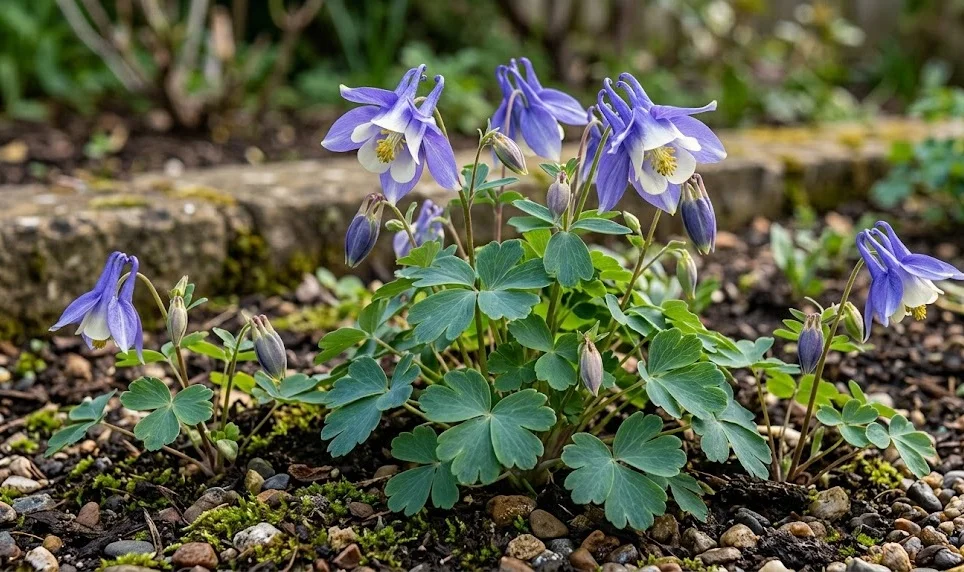

Starting a new journey with the fan columbine requires a strategic approach to both planting and the various methods of propagation. This exquisite perennial is best introduced to the garden when conditions are mild, allowing the root system to adapt without the stress of extreme temperatures. Whether you are starting from purchased nursery stock or attempting to grow them from seed, the timing and technique are paramount for success. Proper installation into the garden landscape sets the stage for years of delicate blooms and lush, attractive foliage.
When selecting a site for planting, prioritize an area that mimics the cool, well-drained slopes of the plant’s native habitat. The soil should be worked to a fine tilth, ensuring that there are no large clumps or stones that could impede root development. It is often helpful to mix in some leaf mold or compost to improve the soil structure and provide a gentle nutrient boost. This initial preparation creates a welcoming environment that encourages the young plant to anchor itself firmly and begin its growth cycle.
The depth at which you plant the fan columbine is a critical detail that can influence its overall health. The crown of the plant, where the leaves emerge from the roots, should sit exactly at the soil surface level. Planting too deeply can lead to crown rot, while planting too shallowly can cause the roots to dry out and become damaged by the sun. Firm the soil gently around the roots to remove any large air pockets, but avoid over-compacting the earth, which can restrict oxygen flow.
Immediately after planting, a thorough watering is necessary to help settle the soil and provide the moisture needed for the plant to recover from transplant shock. Use a gentle spray to avoid washing away the topsoil or damaging the delicate new leaves. If you are planting multiple specimens, spacing them about twenty to thirty centimeters apart allows for adequate air circulation while still creating a full, lush appearance as they mature. This initial care is the foundation upon which a successful perennial display is built.
Seed propagation and stratification techniques
Growing fan columbines from seed is a rewarding process, though it requires patience and an understanding of the plant’s natural dormancy. The seeds often benefit from a period of cold stratification, which mimics the winter conditions they would experience in the wild. You can achieve this by placing the seeds in a damp paper towel inside a sealed bag and storing them in the refrigerator for several weeks. This process signals to the seed that winter has passed and it is time to begin the germination process.
More articles on this topic
Once the stratification period is complete, sow the seeds on the surface of a high-quality, seed-starting mix. These seeds require light to germinate, so they should not be buried deeply; a very light dusting of fine vermiculite is usually sufficient to hold them in place. Maintain a consistent moisture level by using a spray bottle to mist the surface, ensuring the medium never dries out completely. Placing the seed tray in a bright spot out of direct sunlight will provide the warmth and light needed for the first green shoots to appear.
Germination can be irregular, with some seeds sprouting in a few weeks and others taking much longer. Do not be discouraged if the process seems slow, as this is a natural trait of the species. Once the seedlings have developed at least two sets of true leaves, they can be carefully moved into individual pots to continue their growth. This stage requires a steady hand to avoid damaging the fragile root systems that are just beginning to take shape.
Young plants should be hardened off gradually before being moved into their permanent positions in the garden. This involves placing them outside in a protected area for a few hours each day, slowly increasing their exposure to the elements over a week or two. This transition period is essential for building the plant’s resilience against wind, fluctuating temperatures, and direct sunlight. By following these steps, you can successfully produce a large number of plants from a single packet of seeds.
Division of established clumps
While the fan columbine is generally best left undisturbed due to its deep taproot, division is a possible propagation method for experienced gardeners. This should only be attempted with older, multi-crowned plants that have become overly large or are showing signs of decline in the center. The best time to perform this operation is in the early spring, just as the new growth begins to emerge but before the stems have significantly elongated. This timing allows the divisions to establish their own root systems before the heat of summer arrives.
More articles on this topic
To begin the division, carefully lift the entire plant from the ground using a garden fork, being sure to dig deeply to capture as much of the root system as possible. Shake off the excess soil so you can clearly see the structure of the crowns and where they can be separated. Use a sharp, sterilized knife to cut through the root mass, ensuring that each new section has at least one healthy bud and a significant portion of the root attached. This precision is vital for the survival of the new individual plants.
Replant the divisions immediately into prepared soil, following the same depth guidelines used for new nursery stock. Because the roots have been disrupted, these new plants will require extra attention and consistent watering for the first few weeks. It is often helpful to trim back some of the larger leaves to reduce the demand on the damaged root system. While not every division may survive, this method is a quick way to multiply a particularly prized specimen.
Avoid dividing plants that are currently in bloom or during the height of a summer heatwave, as the stress is almost always fatal. Successful division requires a cool, cloudy day and a commitment to post-operative care. When done correctly, this technique can breathe new life into an aging garden bed and provide you with additional plants for other areas of your landscape. It is a more advanced skill that rewards the gardener with a deeper understanding of plant anatomy.
Post-planting care for young specimens
The first few months after planting or transplanting are a critical period for the fan columbine as it focuses on root establishment. During this time, the soil should be kept consistently moist but never soggy, providing a stable environment for growth. A light application of a diluted organic liquid fertilizer can provide the necessary nutrients without overwhelming the young plant. Monitor the foliage closely for any signs of wilting or discoloration, which could indicate a need for more shade or water.
Mulching around the base of young plants is highly recommended to help regulate soil temperature and suppress competing weeds. Use a fine-textured mulch like leaf mold or shredded bark, keeping it a few centimeters away from the actual stems to prevent rot. This layer acts as a protective blanket, maintaining the cool root environment that this species finds so favorable. It also helps to prevent soil from splashing onto the leaves during heavy rains, which can sometimes introduce fungal pathogens.
If the weather becomes exceptionally hot shortly after planting, providing temporary shade can prevent the young leaves from scorching. A simple structure made of garden fleece or even a strategically placed lattice can offer the protection needed during the hottest part of the day. As the plant becomes more established and its root system grows deeper, it will become naturally more resilient to these conditions. This initial “hand-holding” ensures that the plant doesn’t just survive but thrives in its new home.
Finally, keep a watchful eye for common pests that might find the tender new growth of a young columbine particularly appealing. Early detection is key to preventing a small issue from becoming a significant problem that stunts the plant’s development. If you notice any damage, use gentle, organic control methods to address the situation without harming the plant or the surrounding soil life. Your attentiveness during this stage will be rewarded with a healthy, beautiful plant that will grace your garden for seasons to come.