
The quality and duration of sunlight are the most important environmental factors that dictate the success of your garden. You must understand that these perennials are sun-loving plants that have evolved to capture as much energy as possible from the sky. Light drives the process of photosynthesis, which provides the fuel for every part of the plant’s growth and reproduction. Your ability to provide the right amount of light will determine whether your daisies are spectacular or merely surviving.
A lack of sufficient light will result in plants that are physically weak and visually disappointing to any dedicated gardener. You will notice that the stems become long and thin as they stretch toward the nearest source of illumination in the sky. These “leggy” plants are more prone to falling over and often produce fewer and smaller flowers than those grown in full sun. Your goal should be to provide a site where the plants can grow compactly and produce a massive display of white petals.
While these plants are very resilient, they do have a limit to how much shade they can tolerate before their health begins to decline. You should aim for at least six to eight hours of direct sunlight every day during the peak of the growing season. If your garden is naturally shaded by large trees or buildings, you will need to choose your planting spots with extreme care and precision. Your understanding of light patterns across your yard will help you find the perfect location for these iconic summer flowers.
Observing how the light changes throughout the year is a professional habit that will make you a much more successful landscape designer. You should note that the angle of the sun and the length of the shadows will shift significantly between the spring and the autumn. A spot that is in full sun in June might be in deep shade by September when the sun is lower in the sky. Your long-term observation will ensure that your plants receive the energy they need during their entire life cycle.
The importance of full sun
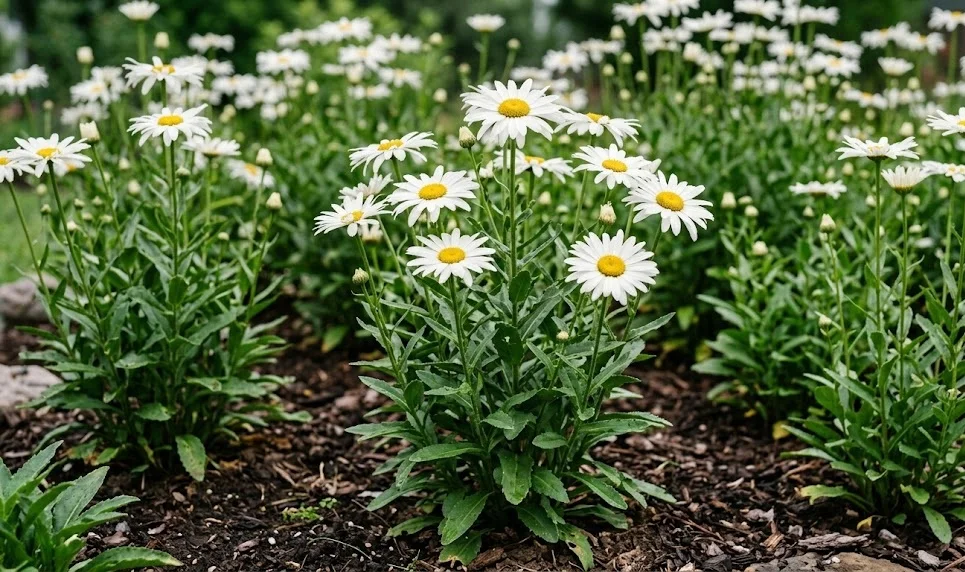
Full sun is generally defined as receiving at least six hours of direct, unobstructed sunlight during the middle of the day. You should prioritize these locations for your shasta daisies to ensure they have the energy required for a long blooming season. In these ideal conditions, the plants will develop strong, thick stems that can support the weight of the large floral heads. Your garden will have a much more professional and vigorous appearance when the plants are grown in their preferred environment.
More articles on this topic
Sunlight also plays a critical role in the prevention of many common fungal diseases that can plague these perennials in damp climates. The heat from the sun helps to dry out the foliage quickly after a morning dew or a sudden summer rainstorm. This reduces the time that fungal spores have to germinate and infect the leaves and stems of your valuable plants. Your choice of a sunny location is therefore a natural form of disease prevention that saves you time and effort.
The intensity of the light also influences the color and size of the flowers that your plants will eventually produce for you. You will find that daisies grown in full sun have much brighter white petals and more vibrant yellow centers than those in the shade. The individual flowers will also stay open longer and attract more pollinators like bees and butterflies to your yard. Your floral display will be a major highlight of the landscape when it is allowed to soak up the sun’s rays.
Finally, the overall life span and vigor of the plant are directly tied to the amount of light it receives over many years. You should understand that a plant in full sun is better able to store energy in its roots for the winter dormancy period. This means it will return stronger and more quickly in the spring, allowing you to divide and expand your collection more often. Your commitment to providing maximum light is the best long-term investment you can make in your perennial garden.
Managing partial shade conditions
If your garden does not have a spot with perfect full sun, you can still grow these flowers in areas with partial shade. You should look for locations that receive direct sunlight in the morning or early afternoon when the light is most intense. While the plants may not be quite as robust as those in full sun, they can still produce a beautiful and acceptable display. Your careful management of these less-than-ideal spots will allow you to enjoy these flowers even in a wooded or suburban setting.
More articles on this topic
In partially shaded areas, you should be especially vigilant about providing excellent air circulation to compensate for the lower light levels. You should space the plants slightly further apart to ensure that any breeze can move freely through the foliage and dry it out. This extra space helps prevent the buildup of humidity that would otherwise lead to outbreaks of powdery mildew in the shade. Your attention to these small environmental details will make a big difference in the health of your shaded plants.
You should also adjust your watering and fertilizing routines for plants that are growing in the partial shade of your yard. These plants will use water more slowly because they are not losing as much moisture to evaporation from the hot sun. Overwatering is a much greater risk in the shade, so you should always check the soil moisture before bringing out the garden hose. Your restraint in watering will prevent root rot and other issues associated with cool, damp soil conditions.
Choosing specific varieties that are known to be more shade-tolerant is another strategy you can use to overcome a lack of direct sunlight. Some newer cultivars have been bred to perform better in lower light levels without becoming excessively leggy or failing to bloom. You should research the specific needs of different varieties before you make a purchase for a shaded part of your landscape. Your informed choices will ensure that every corner of your garden can be filled with beautiful and healthy white flowers.
Light intensity and bloom quality
The intensity of the light is just as important as the total number of hours the plant spends in the sun each day. You should realize that the midday sun provides the most energy for photosynthesis and the development of large, complex floral structures. Plants that only receive filtered or dappled light may produce plenty of leaves but very few of the iconic daisy flowers you desire. Your goal is to provide at least a few hours of the most intense light possible for the best results.
Changes in light intensity throughout the season can also affect the timing and the duration of the blooming period in your garden. You might notice that the first flush of flowers is the most spectacular because the spring sun is increasing in intensity and duration. As the days begin to shorten in the late summer, the plant will naturally start to produce fewer and smaller blooms as its energy supply decreases. Your understanding of these natural rhythms will help you set realistic expectations for your floral display.
In very hot climates, the intense afternoon sun can sometimes be too much for the foliage, causing it to wilt or even burn slightly. You should consider providing a bit of light shade during the hottest part of the day if you live in a region with extreme summer heat. This protects the plant from thermal stress while still allowing it to capture enough energy during the cooler morning and evening hours. Your ability to balance light and heat will ensure that your plants stay green and healthy even in the middle of a heatwave.
Finally, you should be aware that the light conditions in your garden are constantly changing as trees grow and buildings are constructed or removed. You should re-evaluate the light levels in your garden every few years to ensure that your daisies are still in the best possible location. Moving a clump just a few feet to a sunnier spot can sometimes result in a dramatic improvement in its health and flowering performance. Your flexibility and observation will keep your garden looking its best for many years into the future.