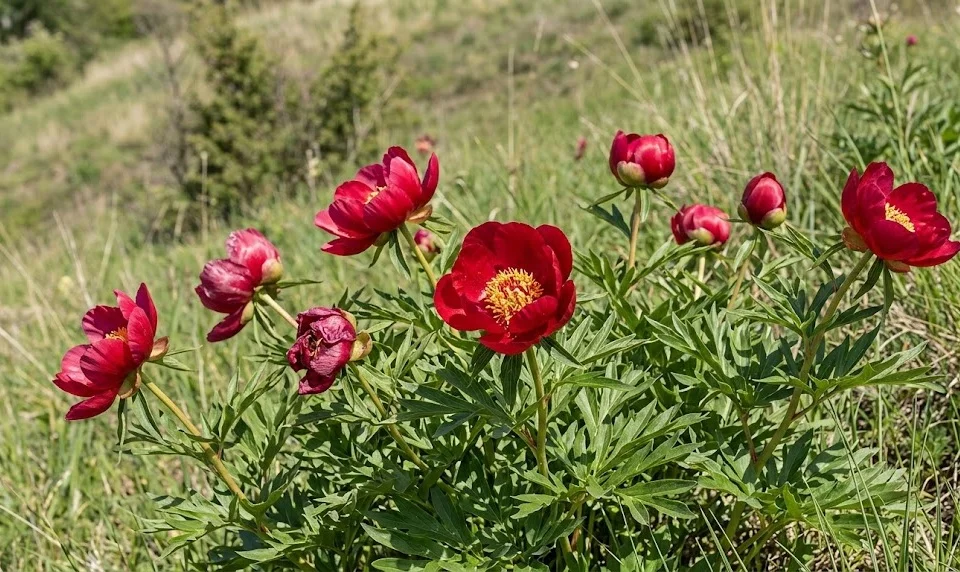

Providing comprehensive care for this rare botanical treasure requires a deep understanding of its specific ecological needs within the garden environment. This perennial species thrives when its natural woodland habitat is replicated through careful site management and consistent attention to soil health. Maintaining the vigor of the plant involves more than just basic gardening; it requires a professional approach to long-term sustainability. Success is measured by the longevity of the plant and the annual abundance of its characteristic crimson blooms.
Proper placement in the garden is the first step toward a healthy and flourishing specimen that will last for decades. You should choose a location that offers stability, as these plants do not react well to frequent relocation or significant environmental shifts. The surrounding vegetation should not compete aggressively for resources, allowing the root system to establish itself firmly in the substrate. Observing the microclimate of your garden will help you identify the perfect spot where air circulation is sufficient to prevent stagnant conditions.
Soil structure plays a pivotal role in the overall development of the root crown and the subsequent strength of the stems. A professional gardener ensures that the earth is rich in organic matter while maintaining a slightly alkaline to neutral pH level. If the soil is too heavy or prone to compaction, the delicate roots may struggle to access the oxygen necessary for cellular respiration. Incorporating well-rotted leaf mold can improve the texture and provide a slow-release source of nutrients throughout the growing season.
Mulching is a vital technique used to regulate soil temperature and preserve moisture levels during the peak of the summer heat. You should apply a layer of organic mulch around the base of the plant, being careful not to cover the crown directly to avoid rot. This practice also suppresses the growth of unwanted weeds that might otherwise steal valuable minerals from the soil. As the mulch breaks down, it contributes to the complex biological activity within the rhizosphere, benefiting the plant’s immunity.
Understanding environmental requirements
The environmental conditions surrounding the plant must be monitored closely to ensure it remains stress-free during periods of extreme weather. While the species is relatively hardy, it appreciates protection from harsh, drying winds that can damage the foliage and dehydrate the blooms. You can use natural barriers or strategic planting of smaller shrubs to create a buffered zone that maintains a more consistent humidity level. This holistic approach to environmental management encourages a more robust growth habit and better resistance to physiological disorders.
More articles on this topic
Air quality and circulation are often overlooked factors that significantly impact the health of the foliage and the prevention of pathogens. Dense planting schemes should be avoided to allow wind to pass freely through the leaves, which helps to dry any moisture after rainfall. If the air remains too still and humid, the risk of fungal infections increases, potentially compromising the aesthetic and biological integrity of the plant. Strategic spacing is a hallmark of professional horticulture that yields healthier results over time.
Observing the plant’s response to its environment allows you to make minor adjustments that lead to better performance each year. If you notice the leaves drooping prematurely or the stems becoming leggy, it may be an indication that the current conditions are not entirely optimal. Professional care involves recognizing these subtle signs and reacting with precision rather than making drastic, uncalculated changes. Consistency in your management routine builds a foundation of health that allows the plant to reach its full genetic potential.
The interaction between the plant and the local ecosystem is another layer of care that should be considered by serious enthusiasts. Encouraging beneficial insects and soil organisms creates a living network that supports the plant through natural biological processes. Avoiding harsh chemical interventions helps to maintain this delicate balance and ensures that the garden remains a safe haven for biodiversity. This sustainable mindset not only benefits the specific peony species but enhances the overall health of the entire garden landscape.
Soil health and substrate management
The physical properties of the soil should be assessed periodically to ensure that the drainage remains efficient and the structure is intact. Over time, garden soil can settle or become depleted, necessitating the addition of fresh organic material or mineral amendments. You might consider conducting a professional soil test every few years to monitor the levels of essential elements like phosphorus and potassium. Maintaining a balanced nutrient profile prevents the development of deficiencies that could lead to stunted growth or poor flowering.
More articles on this topic
Cation exchange capacity is a technical aspect of soil science that influences how well the ground can hold onto vital nutrients for the plant. Adding composted material increases this capacity, making the soil more fertile and responsive to your fertilization efforts. You should aim for a loamy texture that feels crumbly to the touch, indicating a good balance of sand, silt, and clay. This ideal structure allows roots to penetrate deeply, providing the plant with a secure anchor and access to deep-seated water reserves.
Microbiological activity within the substrate is essential for the decomposition of organic matter into forms that the plant can readily absorb. Mycorrhizal fungi often form a symbiotic relationship with the roots, extending their reach and improving the uptake of minerals and moisture. You can introduce these beneficial organisms during planting or through specialized soil conditioners to boost the plant’s overall resilience. A living, breathing soil is the most effective defense against soil-borne diseases and environmental stress.
Managing the pH level is a critical task for anyone dedicated to the professional care of this specific subspecies. Since it prefers neutral to slightly lime-rich conditions, you may need to apply horticultural lime if your soil is naturally acidic. Monitoring the pH ensures that nutrients remain chemically available to the plant rather than becoming locked in the soil matrix. Precision in soil chemistry is what separates an amateur gardener from a true expert in the field of ornamental horticulture.
Annual maintenance cycle
Spring marks the beginning of the most active phase, when the new shoots emerge from the ground with remarkable vigor. During this time, you should inspect the area for any winter debris that might obstruct the growth of the young, tender stems. Providing a light application of balanced fertilizer at this stage supports the rapid development of the canopy and the formation of flower buds. It is a period of high energy demand for the plant, requiring your most attentive observation and care.
As the blooming season approaches, the focus shifts toward maintaining the structural integrity of the plant and protecting the flowers. You should check that the stems are strong enough to support the weight of the large blooms, especially if heavy rain is expected. If the weather becomes exceptionally dry, supplemental irrigation might be necessary to prevent the buds from blasting or opening prematurely. This phase of the cycle is the culmination of your hard work and provides the most visual reward for your efforts.
Once the flowering period has concluded, the plant enters a phase of nutrient accumulation and preparation for the following year. You should remove the spent flowers to prevent the energy-intensive process of seed production, unless you intend to collect them for propagation. The foliage must remain intact and healthy during the summer months, as it is responsible for producing the carbohydrates stored in the roots. Neglecting the plant after it has finished blooming is a common mistake that can lead to weaker performance in the next season.
Autumn is the time for final adjustments and the gradual winding down of metabolic processes as the temperatures begin to drop. You will notice the foliage changing color and eventually dying back, which is a natural part of the plant’s deciduous life cycle. Clearing away the old stems after they have completely withered helps to reduce the overwintering sites for potential pests and diseases. This preparation ensures that the plant enters its dormancy in a clean and organized environment, ready for the winter rest.
Structural support and growth habit
The growth habit of this species is naturally robust, but it can benefit from subtle guidance to maintain a pleasing shape in the garden. Older specimens can become quite large, and their heavy foliage may occasionally require thinning to improve light penetration and air movement. You should observe the natural form of the plant and only intervene when necessary to correct imbalances or remove damaged tissue. Maintaining a balanced structure ensures that each stem has enough space to develop fully without being shaded out by its neighbors.
In some garden settings, the sheer size of the blooms can cause the stems to lean or even snap under their own weight. Providing discreet support using bamboo stakes or professional metal rings can prevent this damage without detracting from the natural beauty of the plant. You should install these supports early in the season so that the plant grows into them, making the intervention almost invisible. This proactive step is essential for preserving the aesthetic value of the garden during the peak flowering weeks.
The height and spread of the plant should be considered when planning the surrounding landscape to avoid overcrowding. A well-placed specimen serves as a focal point, but it needs sufficient room to expand its canopy as it matures over several years. You should resist the urge to plant smaller perennials too close to the base, as this can lead to competition for both light and soil resources. Giving the plant the space it deserves is a sign of respect for its natural growth patterns and overall majesty.
Monitoring the strength of the stems throughout the growing season provides insights into the nutritional status and health of the plant. Weak, floppy growth often indicates an excess of nitrogen or a lack of sufficient sunlight, which can be corrected in future seasons. A professional approach involves analyzing these physical characteristics and adjusting your care routine accordingly to produce sturdier specimens. The goal is to cultivate a plant that is not only beautiful but structurally sound and resilient to the elements.
Long-term health monitoring
Establishing a long-term record of the plant’s performance can help you identify trends and potential issues before they become serious problems. You might track the dates of the first shoots, the peak of the blooming season, and any occurrences of pests or diseases. This data allows you to refine your management techniques based on the specific behavior of the plant in your unique microclimate. Professional horticulture relies on this kind of systematic observation to achieve consistent and predictable results every year.
Regular inspections of the foliage and stems should be part of your weekly garden routine during the active growing months. You are looking for early signs of discoloration, unusual spots, or the presence of insects that could indicate a developing infestation. Early detection is crucial, as it allows for less invasive treatments and prevents the spread of pathogens to other parts of the garden. A keen eye and a proactive attitude are your best tools for maintaining a healthy and vibrant collection of rare plants.
Root health is more difficult to monitor directly, but it can be inferred from the overall vigor and stability of the above-ground growth. If the plant seems to be declining despite optimal care, it may be necessary to gently investigate the state of the root crown. You should look for signs of rot or physical damage that could be hindering the transport of water and nutrients throughout the plant. Addressing root issues requires a delicate touch and a professional understanding of plant anatomy and physiology.
Rejuvenating older plants is a specialized task that may become necessary after a decade or more of continuous growth in the same spot. While these peonies are long-lived, their central crown can sometimes become overly woody or less productive over time. Professional techniques such as careful division or soil renovation can breathe new life into a stagnant specimen and ensure its continued presence in the garden. This long-term perspective is essential for the conservation of such a rare and culturally significant botanical species.
Enhancing bloom quality and quantity
Achieving a spectacular display of flowers is often the primary goal of the gardener, and it requires a combination of timing and nutrition. The development of flower buds is heavily influenced by the temperature fluctuations during the late winter and early spring months. You should ensure that the plant receives enough chilling hours during its dormancy, as this is a physiological requirement for breaking bud and initiating flowers. Understanding these biological triggers allows you to better manage the plant’s transition from rest to active growth.
The size and color intensity of the blooms can be enhanced through the strategic application of trace elements and micronutrients. Boron and molybdenum, though needed in tiny amounts, play significant roles in the development of reproductive tissues and the synthesis of pigments. You can use specialized foliar sprays or targeted soil drenches to provide these elements during the critical stages of bud formation. This high-level attention to detail is what characterizes the work of a professional horticulturist seeking excellence.
Water management during the budding phase is another critical factor that directly impacts the final quality of the flowers. Consistent moisture is required to ensure that the petals develop fully and the stems remain turgid under the weight of the blooms. You should avoid overhead watering when the buds are opening, as trapped moisture can lead to petal rot or fungal spotting. Precise irrigation at the base of the plant is the most effective way to support the blooming process without introducing unnecessary risks.
After the flowering season ends, the way you treat the plant will determine the quality of next year’s display. Removing the faded flowers promptly prevents the plant from diverting energy into seed production, allowing it to focus on root development and bud initiation for the following spring. You should continue to care for the foliage until it naturally yellows, as these leaves are the factory for the energy reserves stored in the crown. This cycle of care ensures that the beauty of the species is preserved for many generations to come.