
Developing a disciplined approach to pruning is essential for maintaining the health and aesthetic form of this rare perennial throughout its long life. You must understand that pruning is not just about removing dead tissue, but about guiding the plant’s energy and preventing the spread of diseases. A professional technique involves using the correct tools and timing your interventions to coincide with the plant’s natural dormant phases. Proper cutting back ensures that the specimen remains robust and continues to produce high-quality blooms every single year.
The primary goal of pruning during the active growing season is to maintain the cleanliness and structural integrity of the plant. You should focus on removing any stems that have been damaged by wind, pests, or physical impact as soon as you notice them. These broken parts can become entry points for pathogens if they are left to rot on the living plant. Professional gardeners always carry a sharp, clean pair of shears to make precise cuts that heal quickly and do not stress the surrounding tissues.
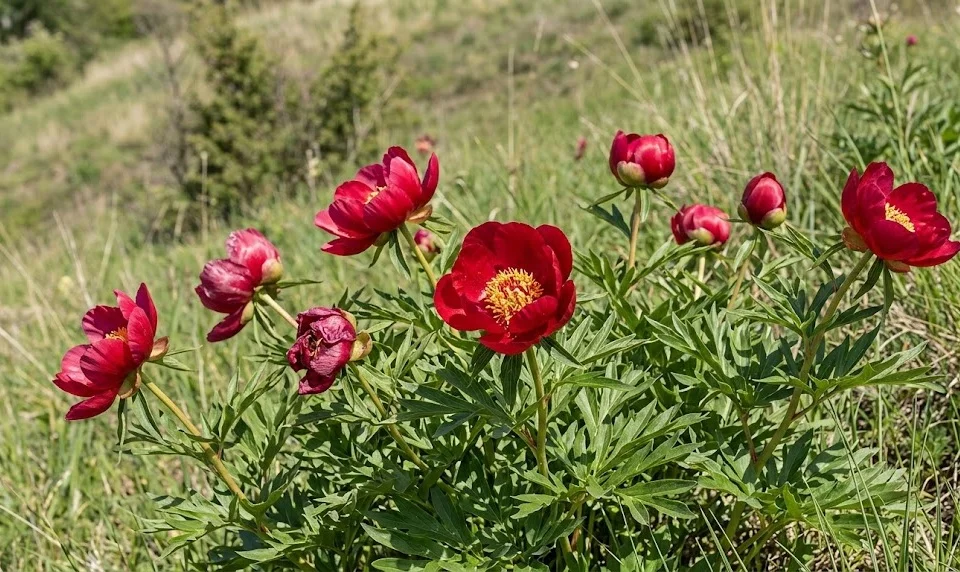
Deadheading, or the removal of spent flowers, is a specific type of pruning that is highly beneficial for the overall vigor of the peony. You should cut the flower stem back to the first strong leaf after the petals have fallen and the aesthetic value has passed. This prevents the plant from diverting its valuable energy into the production of seeds, which is an intensive biological process. By stopping seed formation, you encourage the plant to focus on strengthening its root system and developing the buds for the next year.
As the season progresses, you may also need to remove any foliage that shows signs of significant disease or fungal infection. You should act quickly to prune out spotted or yellowing leaves to prevent the spores from spreading to the rest of the canopy. It is important to dispose of this material far away from the garden to ensure that the pathogens do not overwinter in the soil. This proactive hygiene is a fundamental part of the professional care required for rare and sensitive botanical species like the Banat peony.
Autumn cutbacks and preparation
The most significant pruning task occurs in the late autumn when the plant has naturally entered its period of dormancy. You should wait until the foliage has completely turned brown and brittle, indicating that all the nutrients have been returned to the roots. Cutting back the stems to the ground level is the standard professional practice for clearing the site and preparing it for the winter months. This removal of old growth is essential for maintaining a tidy garden and reducing the risk of disease carry-over to the next spring.
More articles on this topic
When performing the autumn cutback, you should use a sharp tool to make clean cuts just a few centimeters above the soil surface. You must be extremely careful not to nick or damage the “eyes” or growth buds that are already forming on the root crown. These buds are the lifeblood of the plant for the coming year, and any damage to them will result in fewer stems and flowers. A professional touch is steady and precise, ensuring that the plant is left in a clean state without compromising its future potential.
All the pruned material from the autumn cleanup should be removed from the site and never used as mulch around the base of the plant. You should avoid putting these stems into a home compost pile unless you are certain that it reaches high enough temperatures to kill fungal spores. In many professional settings, the old foliage is burned or sent to a municipal waste facility to ensure total sanitation of the garden environment. This rigorous approach to waste management is what keeps high-value collections healthy over many decades.
Once the cutback is complete, you have a perfect opportunity to inspect the state of the root crown and the surrounding soil. You can check for any signs of pests that might be trying to find a winter home in the crevices of the plant’s structure. This is also the ideal time to apply a fresh layer of mulch or soil amendments to protect the newly exposed crown from the elements. Professional pruning is the final act of the growing season that transitions the plant into its well-deserved winter rest.
Tools and sanitation techniques
The quality of your pruning tools directly impacts the health of the plant and the ease with which you can perform your maintenance tasks. You should invest in a high-quality pair of bypass pruners that provide a clean, shearing action rather than crushing the stems. Keeping the blades sharp is a professional requirement, as dull tools create ragged wounds that take longer to heal and are more prone to infection. A true horticulturist takes pride in the maintenance of their equipment, knowing it is the key to successful plant care.
More articles on this topic
Sanitization of your tools is perhaps the most overlooked but critical step in the pruning process, especially when working with rare species. You should disinfect your shears with a solution of seventy percent isopropyl alcohol or a specialized horticultural disinfectant between every single plant. This prevents the accidental transfer of systemic diseases, such as viruses or bacterial blights, from one specimen to another. In a professional garden, this level of discipline is non-negotiable and should be adopted by every serious enthusiast to protect their botanical investment.
The way you make each cut also matters, as the angle and position can influence how the plant recovers from the intervention. You should always cut at a slight angle to allow water to run off the wound rather than pooling on top of it. Whenever possible, make your cuts just above a healthy leaf node or bud to encourage natural healing and a more pleasing growth habit. These technical details are the difference between a simple trim and a professional pruning job that enhances the plant’s biological performance.
Finally, you should always handle the plant gently during the pruning process to avoid compacting the soil around the roots or breaking healthy stems. If the plant is large, you might need to use long-handled loppers to reach the center without stepping into the crown area. Maintaining the structural integrity of the soil and the plant’s architecture is a sign of a professional approach to garden maintenance. Your careful work during pruning ensures that the Banat peony remains a healthy, vibrant, and structurally sound member of your garden for many years.