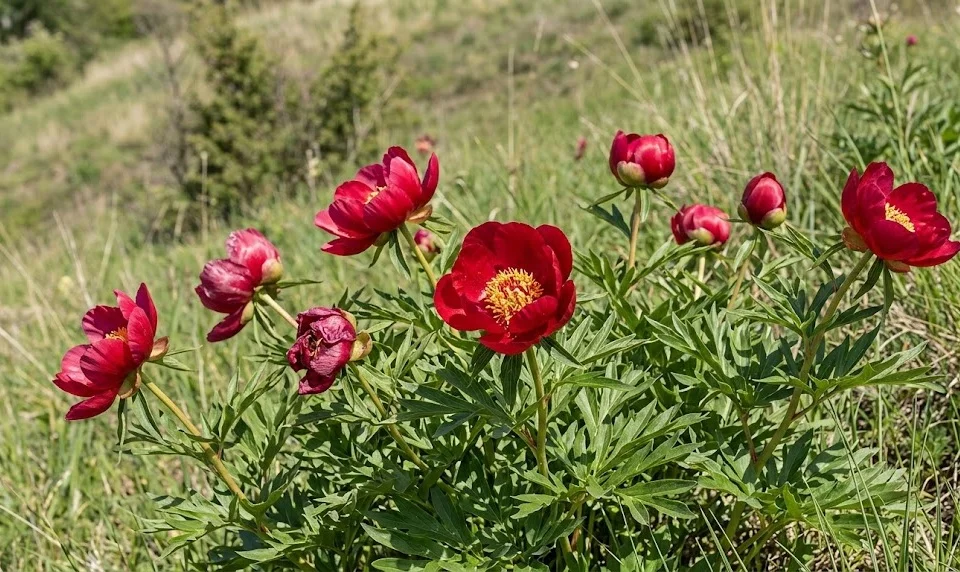

Maintaining the correct balance of hydration and nutrition is fundamental to the long-term vitality of this rare and beautiful perennial species. You must develop an irrigation strategy that accounts for the specific drainage characteristics of your soil and the local climate conditions. Fertilization should be viewed as a supplement to naturally fertile soil, aimed at supporting the intense energy demands of the blooming period. A professional approach to these two tasks will result in a more resilient plant with a superior aesthetic presence in the garden.
Watering should always be done with the goal of reaching the deep root system where the plant stores its primary energy reserves. You should avoid light, frequent sprinkling which only wets the surface and encourages shallow root growth that is vulnerable to drought. Instead, a deep soaking once or twice a week during dry spells is much more effective for established specimens. This method ensures that moisture penetrates to a depth of at least thirty centimeters, providing a stable reservoir for the plant to draw from.
The timing of your watering routine can have a significant impact on the health of the foliage and the prevention of fungal diseases. You should aim to water early in the morning so that any moisture that lands on the leaves has time to evaporate before evening. Wet foliage in the cool night air creates the perfect environment for pathogens like Botrytis to take hold and spread. Professional irrigation practices focus on delivering water directly to the base of the plant using soaker hoses or drip systems whenever possible.
Observing the physical condition of the soil and the plant’s foliage is the best way to determine when supplemental water is truly necessary. You should check the moisture level a few inches below the surface before deciding to irrigate, as overwatering can be just as damaging as drought. During the spring, when the plant is growing rapidly, the demand for water is at its peak to support the expansion of the large leaves. As the summer progresses and the plant matures, its needs will naturally fluctuate based on the ambient temperature and rainfall.
Seasonal irrigation schedules
In the early spring, as the first reddish shoots emerge from the soil, consistent moisture is essential to support this initial burst of energy. You should monitor the rainfall during this period and supplement it if the weather remains unusually dry for an extended time. The goal is to keep the soil evenly moist but not saturated, providing the perfect conditions for cell expansion and stem elongation. This early care sets the stage for a successful growing season and a strong structural foundation for the flowers.
More articles on this topic
As the blooming season approaches, the plant’s internal water pressure becomes even more critical for the successful opening of the large, heavy buds. You should ensure that the plant does not experience any significant water stress during the weeks leading up to the first flowers. If the soil becomes too dry at this stage, the buds may fail to open or the flowers may wilt prematurely in the sun. Professional gardeners often increase the frequency of their inspections during this high-stakes period to ensure perfect hydration.
During the hot summer months after the flowers have faded, the plant continues to be active as it builds up its energy reserves for the following year. You should not neglect the plant during this time, even though it is no longer the center of attention in the garden landscape. While it can tolerate some dryness once established, maintaining a baseline of soil moisture helps to keep the foliage healthy and functional. Strong, green leaves in late summer are a sign that the plant is successfully preparing for its winter dormancy.
As autumn arrives and the temperatures begin to cool, the plant’s demand for water will naturally decrease as it enters its rest phase. You should gradually reduce the frequency of supplemental watering, allowing the soil to dry out a bit more between sessions. However, you should ensure the plant enters the winter with a reasonably moist root zone, as dry soil freezes more deeply than moist soil. This final seasonal adjustment helps to protect the root crown from the physiological stresses of the cold months ahead.
Essential macro and micronutrients
The nutritional needs of this peony subspecies are best met through a combination of high-quality organic matter and strategic mineral supplementation. You should focus on providing a balanced supply of nitrogen, phosphorus, and potassium, which are the primary building blocks of plant growth. Nitrogen supports the development of the lush green canopy, while phosphorus is critical for root health and the initiation of flower buds. Potassium plays a vital role in the overall structural strength of the stems and the plant’s resistance to environmental stress.
More articles on this topic
In addition to the primary macronutrients, several trace elements are essential for the complex biochemical processes that occur within the plant’s cells. Magnesium is a central component of the chlorophyll molecule and is necessary for efficient photosynthesis and energy production. You should also ensure that there is an adequate supply of calcium, which strengthens cell walls and helps prevent physiological disorders. A professional fertilization plan takes these minor but essential elements into account to ensure the total health of the specimen.
Soil pH plays a decisive role in the availability of these nutrients, as it influences the chemical forms in which they exist in the substrate. If the soil is too acidic, some elements like phosphorus may become locked away and unavailable to the roots regardless of how much you apply. You should maintain a neutral to slightly alkaline environment, which is the natural preference of this specific peony species. Regular testing of the soil allows you to adjust the chemistry with precision, ensuring that your fertilization efforts are not wasted.
Organic fertilizers, such as well-rotted manure or high-quality compost, provide a slow-release source of nutrients that also improves the soil structure. These materials encourage the growth of beneficial soil microbes that work in harmony with the plant’s root system. You can apply a layer of composted material in the late autumn or early spring as a top-dressing to replenish the soil’s fertility naturally. This holistic approach to nutrition builds a sustainable environment that supports the plant for many years without relying solely on synthetic inputs.
Application timing and methods
The best time to apply supplemental fertilizer is in the early spring just as the new growth begins to appear above the ground. You should broadcast the fertilizer evenly around the base of the plant, extending out to the drip line where the most active roots are located. It is important to avoid getting any concentrated fertilizer directly on the crown or the tender new shoots, as this can cause chemical burns. Scratching the nutrients gently into the top layer of the soil and watering them in ensures they reach the root zone quickly.
A second, lighter application can be beneficial after the flowering period has ended to help the plant recover and prepare for next year. You should choose a formula that is lower in nitrogen and higher in potassium at this stage to avoid encouraging excessive soft growth late in the season. This post-bloom feeding supports the development of the eyes on the root crown that will become next year’s stems. Professional gardeners know that fertilization is not just about the current year’s flowers but about the long-term vitality of the plant.
Liquid fertilizers can be used for a quick boost if you notice signs of nutrient deficiency or if the plant is struggling during a particularly difficult season. These are best applied as a soil drench around the root zone, where they can be absorbed almost immediately by the plant. You should always follow the manufacturer’s instructions regarding dilution to prevent the risk of over-fertilization and root damage. Using liquid seaweed or fish emulsion is a popular professional technique for providing a wide range of micronutrients in a highly bioavailable form.
Avoiding over-fertilization is just as important as providing enough nutrients, as an excess of certain elements can cause significant problems. Too much nitrogen, for example, can lead to very lush but weak foliage that is highly susceptible to pests and fungal diseases. It can also inhibit the production of flowers, resulting in a plant that is all leaves and no color. A professional approach relies on moderation and a deep understanding of the plant’s actual requirements based on its appearance and soil test results.
Soil amendments for nutrient retention
Improving the soil’s ability to hold onto nutrients is a long-term strategy that reduces the need for frequent fertilization and promotes a more stable environment. You should consider adding biochar or zeolite to the planting area, as these materials have a high cation exchange capacity and can store minerals for long periods. This is especially useful in sandy soils where nutrients are often leached away quickly by rainfall or irrigation. These amendments create a more efficient “nutrient bank” that the plant can draw from as needed throughout the growing season.
Humic and fulvic acids are organic compounds that can be added to the soil to improve nutrient uptake and stimulate root growth. These substances work by chelating minerals, making them more easily absorbed by the delicate root hairs of the peony. You can apply these as a soil drench or incorporate them into your regular composting routine to enhance the biological activity of the substrate. Using these professional-grade amendments reflects a sophisticated understanding of plant physiology and soil health management.
Maintaining a healthy population of earthworms and other soil organisms is another key factor in nutrient cycling and soil fertility. You should avoid the use of harsh chemical pesticides that can harm these beneficial creatures and disrupt the natural balance of the soil. Earthworms help to aerate the soil and break down organic matter into nutrient-rich castings that are perfect for the plant’s needs. A living soil is much more effective at supporting a rare species like the Banat peony than a sterile, chemically-dependent environment.
Finally, the use of green manures or cover crops in the surrounding garden areas can help to build overall soil fertility and prevent nutrient runoff. You should choose companion plants that do not compete directly with the peony but contribute to the health of the local ecosystem. This integrated approach to garden management ensures that the entire area remains productive and healthy, providing a perfect backdrop for your prized specimens. Professional horticulture is about managing the whole environment to support the success of individual plants.