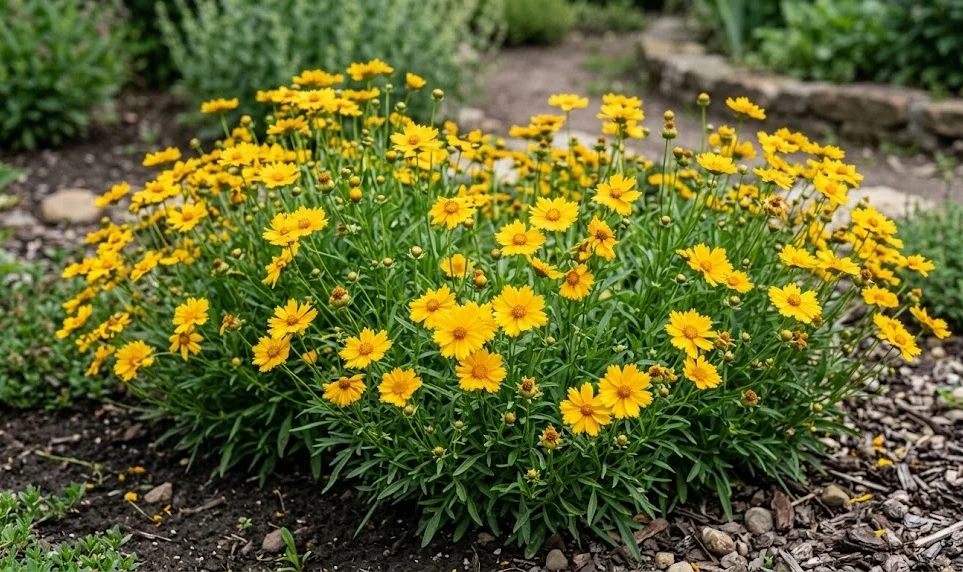

Pruning and cutting back tickseed is a vital horticultural practice that goes far beyond simple garden tidiness. These techniques are essential for maintaining the health, vigor, and aesthetic appeal of your perennials throughout the year. By understanding the specific needs of these plants, a professional gardener can significantly extend the blooming season and prevent the specimens from becoming woody or overgrown. Mastering the art of pruning allows you to manipulate the growth habit of your tickseed to fit perfectly within your overall landscape design.
Deadheading for continuous blooms
Deadheading is the process of removing spent flowers before they have a chance to develop seeds, and it is the most important regular task for tickseed care. When a plant produces seeds, it signals the end of its reproductive cycle for the season, which often leads to a decrease in flower production. By cutting off the old blossoms, you trick the plant into thinking it hasn’t finished its job yet, prompting it to produce even more buds. This simple intervention can keep your garden full of color from the early summer right through until the first frost of autumn.
The technique for deadheading tickseed varies slightly depending on whether the variety produces flowers on individual stems or in clusters. For those with long, single stems, you should cut back to the first set of healthy leaves or a new lateral bud to keep the plant looking neat. For varieties that bloom in dense mats, some gardeners find it easier to use hedge shears to lightly “haircut” the top of the plant after a major flush of flowers. Whichever method you choose, always use sharp, sanitized tools to ensure clean cuts that heal quickly and prevent disease.
Consistency is key when it comes to deadheading, as even a few days of neglect can allow the plant to start shifting its energy toward seed development. Professional gardeners often make a quick pass through their perennial beds every few days to snip off any fading blooms they encounter. This regular maintenance is much easier than trying to tackle a heavily overgrown plant all at once and results in a much more polished look. It also gives you a regular opportunity to inspect the overall health of your plants and catch any pest issues early.
Beyond the biological benefits, deadheading also improves the visual quality of your garden by removing brown and decaying material. Fading flowers can often become a breeding ground for gray mold or other fungal issues, especially during periods of high humidity or frequent rain. By keeping the plant clean, you are actively participating in a proactive health management strategy that benefits the entire garden ecosystem. A well-deadheaded tickseed is a vibrant, energetic centerpiece that draws the eye and supports local pollinators with a steady supply of fresh nectar.
More articles on this topic
Mid-season rejuvenation techniques
By mid-summer, some varieties of tickseed may begin to look a bit tired or “stretched out” after their initial heavy blooming period. This is the perfect time to perform a more aggressive rejuvenation prune, often referred to as a “summer haircut.” You can cut the entire plant back by about one-third or even one-half of its height to encourage a fresh flush of green foliage and a second round of flowers. While it may feel drastic to remove so much growth, the plant will usually respond with a burst of vigor within just a few weeks.
This rejuvenation process is particularly effective for the thread-leaf varieties, which can sometimes become floppy or open in the center as the season progresses. After cutting them back, you should provide a good watering and perhaps a very light application of a balanced organic fertilizer to support the new growth. You will be amazed at how quickly the plant transforms from a ragged summer specimen into a lush, compact mound of fresh green leaves. This second life ensures that your garden remains attractive during the late summer months when other perennials might be fading.
Timing your mid-season prune requires a bit of observation and an understanding of your local climate and growing season length. You want to give the plant enough time to regrow and bloom again before the weather turns cold in the autumn. In many regions, late July or early August is the ideal window for this task, allowing for several more weeks of floral display before frost. Professional gardeners often use this technique to synchronize the blooming of different plants for a more coordinated and impactful garden show.
If you decide not to do a full rejuvenation prune, you should still keep an eye out for any damaged, diseased, or crossing stems that might need removal. Thinning out the center of particularly dense clumps can improve air circulation and reduce the risk of internal humidity buildup. This selective pruning is a more subtle way to maintain plant health without significantly altering the overall appearance of the specimen. Staying engaged with the structural needs of your plants is a hallmark of an expert who values both form and function.
More articles on this topic
Strategic fall and winter cutting
As the growing season comes to a close, the strategy for pruning shifts toward preparing the tickseed for its dormant period and the challenges of winter. Some gardeners prefer to cut the plants back to within a few inches of the ground in late autumn to create a clean and tidy appearance for the winter months. This can help to remove any lingering pests or disease spores that might be hiding in the old foliage, giving the plant a fresh start in the spring. However, this approach is largely aesthetic and depends on your personal gardening style and local conditions.
An alternative professional strategy is to leave the stems standing throughout the winter, especially if the variety produces seeds that are attractive to local birds. The dried structures can provide valuable habitat for beneficial insects and add a touch of “winter interest” to the otherwise bare garden landscape. The standing stems also help to catch and hold snow, which acts as a natural and highly effective insulator for the crown of the plant. If you choose this route, you can simply wait until the early spring to do your final cleanup before the new growth begins.
When the first signs of spring appear, you should remove any remaining old growth to make room for the emerging green shoots. Use your pruners to cut the dead stems as close to the soil level as possible without nicking the sensitive new foliage. This early spring cleanup is a satisfying task that marks the beginning of a new gardening cycle and helps to prevent old diseases from spreading to the new growth. A clean slate in the spring is the best foundation for a healthy and productive year for your tickseed.
Regardless of when you choose to do your final cutback, always remember to dispose of the old plant material properly, especially if you noticed any signs of disease during the season. Composting healthy stems is a great way to recycle nutrients, but diseased material should be removed from the garden entirely to prevent the spread of pathogens. This professional attention to detail ensures that your gardening practices are sustainable and that your tickseed remains a healthy, thriving part of your landscape for many years to come.