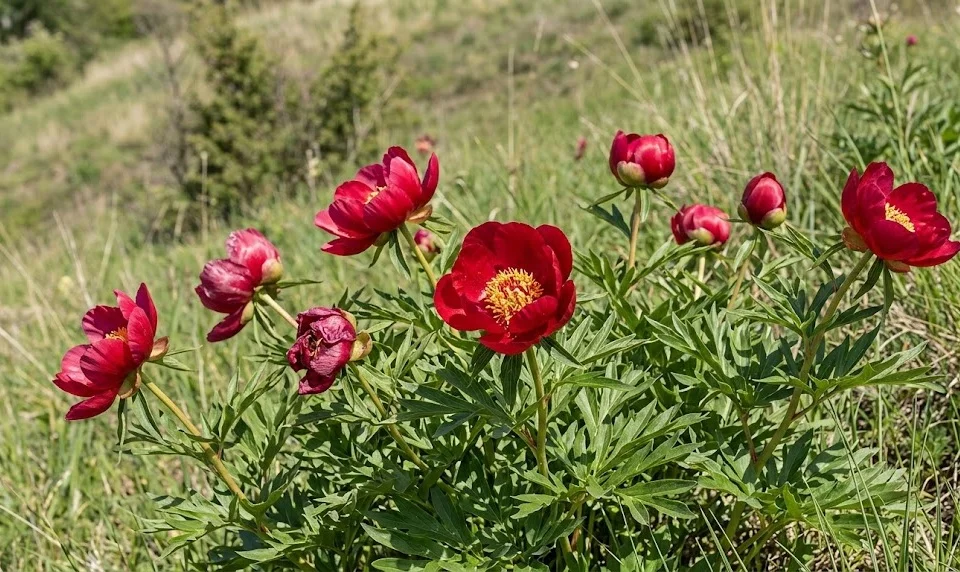

Preparing this rare perennial for the cold months is an essential task that ensures its survival and successful return in the spring. You must understand that while the species is naturally adapted to temperate winters, the conditions in a garden setting can sometimes be more challenging than in the wild. A professional approach to winterization involves protecting the root crown from extreme temperature fluctuations and managing soil moisture levels effectively. This phase of care is about preserving the energy stored in the roots and preventing damage from ice and frost.
As the autumn temperatures begin to drop, the plant will naturally start to relocate its nutrients from the foliage down into the subterranean storage roots. You should observe the leaves as they turn yellow and eventually brown, indicating that the photosynthetic cycle for the year is complete. It is important not to cut back the foliage too early, as this can deprive the plant of the final energy reserves it needs for a healthy dormancy. Professionals wait until the stems have completely withered and the first frost has occurred before beginning the cleanup process.
Clearing away the dead organic matter is a critical step in preventing the overwintering of pests and fungal pathogens. You should cut the stems back to within a few centimeters of the ground, taking care not to damage any growth buds that are visible on the crown. All removed material should be taken away from the planting site and ideally destroyed or composted in a high-temperature system to kill any lingering spores. This level of hygiene is a hallmark of professional garden management and sets the stage for a clean start in the new year.
The physical state of the soil around the plant also requires attention before the ground freezes solid for the winter. You should ensure the area is free from weeds that could compete for resources as soon as the ground thaws in the spring. Gently loosening the surface of the soil can help prevent the formation of a hard crust that might interfere with water penetration during the winter months. This final touch of cultivation ensures that the root zone remains accessible to the natural moisture provided by snow and winter rain.
Protecting the root crown
Mulching is the primary method used to protect the sensitive root crown from the damaging effects of the freeze-thaw cycle. You should apply a layer of loose, organic material such as pine needles, shredded leaves, or straw over the base of the plant. This insulation helps to maintain a more consistent soil temperature, preventing the ground from heaving and potentially exposing the roots to the cold air. A professional application involves a layer about five to eight centimeters thick, ensuring it is porous enough to allow for gas exchange.
More articles on this topic
In regions with exceptionally harsh winters, you might consider providing additional protection in the form of a specialized frost cloth or a protective cage filled with dry leaves. This is particularly useful for younger plants or recently moved divisions that have not yet established a deep and resilient root system. You should avoid using heavy materials like plastic or thick carpets, which can trap moisture and cause the crown to rot during periods of temporary thaw. Professional winter protection is about finding the balance between insulation and breathability to keep the plant safe and dry.
The timing of mulch application is just as important as the material you choose to use for the protection. You should wait until the ground has actually started to freeze before applying the winter mulch to ensure the plant has fully entered its dormant state. Applying it too early can trap heat in the soil and encourage late-season growth that will be killed by the first hard frost. This strategic delay is a professional technique that aligns the garden’s management with the natural physiological rhythms of the plant.
As the winter progresses, you should periodically check the mulch layer to ensure it has not been blown away by the wind or compacted by heavy snow. Maintaining the integrity of this protective barrier is essential for the continued safety of the dormant buds on the root crown. If you notice any areas where the soil has become exposed, simply add more material to restore the necessary level of insulation. A professional gardener remains attentive even during the quietest months of the year to ensure the long-term success of their botanical collection.
Managing winter moisture
Controlling the moisture levels in the soil during the winter is a delicate task that can determine whether the plant survives to the spring. While the peony is dormant, its roots still require a baseline of hydration to prevent them from desiccating in the dry winter air. You should ensure that the soil is reasonably moist before the first deep freeze, as wet soil holds more heat than dry soil. However, it is equally important that the site has excellent drainage to prevent the roots from sitting in stagnant water during a mid-winter thaw.
More articles on this topic
Excessive moisture during the cold months is one of the most common causes of root rot and the death of established peonies. You should observe how water moves across the planting site after a heavy rain or snowmelt to ensure that no puddles are forming around the crown. If drainage is an issue, you may need to adjust the local topography or add more grit to the surface to encourage the runoff of excess water. Professional site management involves these small but critical adjustments to the environment to mitigate the risks posed by winter weather.
Snow can actually be a beneficial insulator for your plants, providing a natural layer of protection against the most extreme temperatures. You should leave a clean layer of snow in place if possible, but be careful when clearing paths or driveways not to pile heavy, salt-laden snow onto your garden beds. The salt used to melt ice on walkways can be highly toxic to the sensitive root systems of many perennial species, including the Banat peony. A professional approach involves planning your winter maintenance to avoid any accidental contamination of your prized planting areas.
During prolonged periods of dry, cold weather without snow cover, the risk of “winter drought” becomes a serious concern for the survival of the plant. You might need to provide a small amount of supplemental water during a temporary thaw if the soil feels excessively dry to the touch. This rare but necessary intervention helps to keep the roots hydrated and prepared for the rapid growth that will occur in the spring. Monitoring the environmental conditions throughout the winter allows you to react to these unusual weather patterns and protect your botanical investment.
Preparing for the spring thaw
As the days begin to lengthen and the temperatures gradually rise, the plant will slowly start to emerge from its deep winter rest. You should begin to remove the winter mulch in stages rather than all at once, allowing the soil to warm up gradually and naturally. This prevents the young buds from being shocked by a sudden exposure to the cold night air or intense early spring sunlight. Professional gardeners watch the weather forecasts closely during this transitional period to ensure they do not uncover the plants too prematurely.
Cleaning the area around the emerging shoots is an important task that should be done with extreme care to avoid breaking the brittle new growth. You should gently remove any remaining debris or old mulch that could harbor pests or block the light from reaching the young leaves. This is also a good time to inspect the site for any damage caused by winter rodents that might have chewed on the dormant crown. Early detection of these issues allows you to take corrective action before the plant enters its most active phase of development.
The first application of a balanced fertilizer can be made as soon as the soil is workable and the first signs of growth are visible. This provides the necessary nutrients to support the rapid expansion of the foliage and the formation of the flower buds. You should choose a formula that is specifically designed for perennials and apply it according to the professional recommendations for your soil type. This early nutritional boost is essential for ensuring a spectacular display of flowers and a strong start to the new growing season.
Finally, you should check the structural integrity of any supports or markers that might have been shifted or damaged by the winter elements. Ensuring that everything is in its proper place allows you to focus your attention on the daily needs of the plant as it grows. A professional preparation for the spring is systematic and thorough, leaving nothing to chance as the garden comes back to life. Your dedication during the winter months is rewarded when the first crimson flowers of the Banat peony open to the spring sun.