
Lighting is one of the most fundamental environmental factors that determines the success or failure of any plant in your garden collection. For bellflowers, the amount and quality of light they receive will influence everything from the height of the stems to the intensity of the floral colors. These perennials are famously versatile, but they still have specific preferences that must be met to achieve professional-grade results. Understanding how the sun moves across your landscape allows you to place each variety in the position where it will truly thrive.
Most members of this plant family prefer a location that offers full sun to partial shade, depending on the local climate and the specific variety. In cooler, temperate regions, they can often handle a full day of direct sunlight without any issues or signs of stress. However, in hotter climates, providing some afternoon shade is a professional strategy to prevent the delicate flowers from fading or wilting. Observing how your plants respond to the sun during the hottest part of the day will help you fine-tune their placement.
The quality of the light also matters, as dappled sunlight under a light canopy of trees can be an ideal environment for many woodland-type varieties. This filtered light mimics their natural habitat and provides a consistent level of energy without the risk of scorching the foliage. If the light is too dim, you will notice that the plants become leggy and stretch toward the nearest source of brightness. Sturdy, compact growth is a clear sign that the light levels are just right for your garden specimens.
Morning sun is generally considered the most beneficial for many flowering perennials because it is less intense than the afternoon rays. It helps dry the dew off the leaves early in the day, which significantly reduces the risk of fungal infections and other moisture-related problems. If you have a choice, placing your flower beds on the eastern side of your property is often a winning professional move. This ensures they get the energy they need to start the day without the stress of the mid-day heat.
Effects of light on flowering
The abundance and duration of the blooming period are directly tied to the amount of light the plant receives during the spring and summer. Without enough energy from the sun, the plant may produce lush green foliage but fail to develop the beautiful bell-shaped flowers you desire. Professional growers often monitor the light levels in different parts of their garden to ensure their floral displays are as dramatic as possible. If a plant is failing to bloom, moving it to a sunnier location is often the first and most effective fix.
More articles on this topic
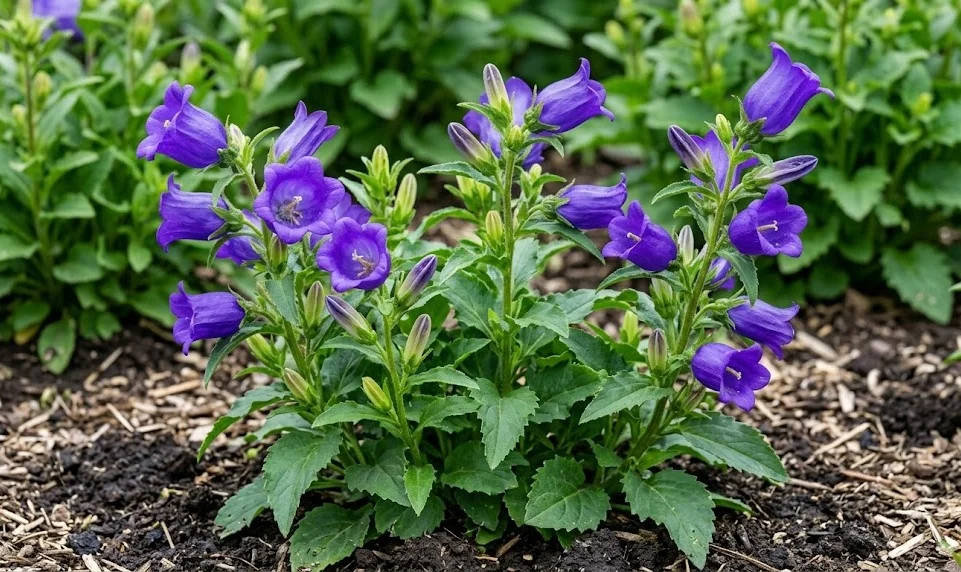
Light intensity also plays a role in the saturation of the colors in both the leaves and the delicate petals of the flowers. You might find that the deep blues and purples are more vibrant when the plant is grown in a spot with plenty of bright, indirect light. In too much direct, harsh sun, the colors can appear washed out or even develop bleached spots from solar radiation damage. Finding that “sweet spot” of illumination is part of the art and science of professional-level horticultural management.
The timing of the light exposure can even influence when the plant begins to set its buds and open its first flowers of the season. Many perennials are sensitive to day length, using the changing hours of sunlight as a signal to transition from foliage growth to reproduction. By understanding these natural rhythms, you can better predict when your garden will be at its peak and plan your outdoor events accordingly. A well-lit garden is a productive garden that rewards the grower with a consistent and reliable show.
For those growing these plants indoors or on a shaded balcony, artificial light can be a useful tool to supplement the natural supply. Modern LED grow lights provide a professional way to ensure your plants get the full spectrum of energy they need to thrive in less-than-ideal conditions. Positioning the lights a few inches above the foliage mimics the overhead sun and encourages the plant to grow straight and strong. Even in an urban environment, you can achieve great results with a basic understanding of lighting principles.
Managing light in different garden styles
In a formal garden setting, consistent lighting across the entire bed is important for maintaining a uniform and professional appearance. If one end of a row is in the shade while the other is in the sun, the plants will grow at different rates and look uneven. You can manage this by pruning overhanging branches or choosing varieties that are more tolerant of varying light levels for these specific areas. A balanced look is the hallmark of a carefully planned and professionally maintained landscape design.
More articles on this topic
In a more naturalistic or cottage garden style, you can use the varying light patterns to create layers of interest and discover new combinations. Lower-growing varieties can be tucked into the shadows of taller perennials, creating a complex and beautiful ecosystem that mimics a wild meadow. This approach requires a deeper understanding of how different species interact with each other and the available light throughout the day. It is a rewarding way to garden that celebrates the diversity and resilience of the natural world.
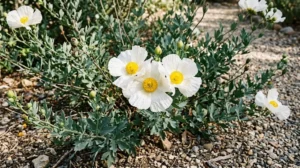
Rock gardens often provide a unique challenge because the stones themselves can reflect heat and light back onto the plants. This can create a microclimate that is much hotter and brighter than the surrounding area, requiring careful selection of the most sun-tolerant varieties. Providing a bit of shade with a well-placed rock or a larger plant can help protect the more sensitive alpine types from being scorched. Professional rock gardening is all about managing these small, intense environments with precision and care.
Finally, remember that the light levels in your garden will change over time as trees grow and buildings are constructed nearby. A spot that was once in full sun might become a shady nook over a few years, requiring you to adapt your planting plan accordingly. Regularly assessing the light patterns in your yard is a professional habit that keeps your garden healthy and vibrant for the long term. Change is the only constant in a living landscape, and staying flexible is the key to continued success.