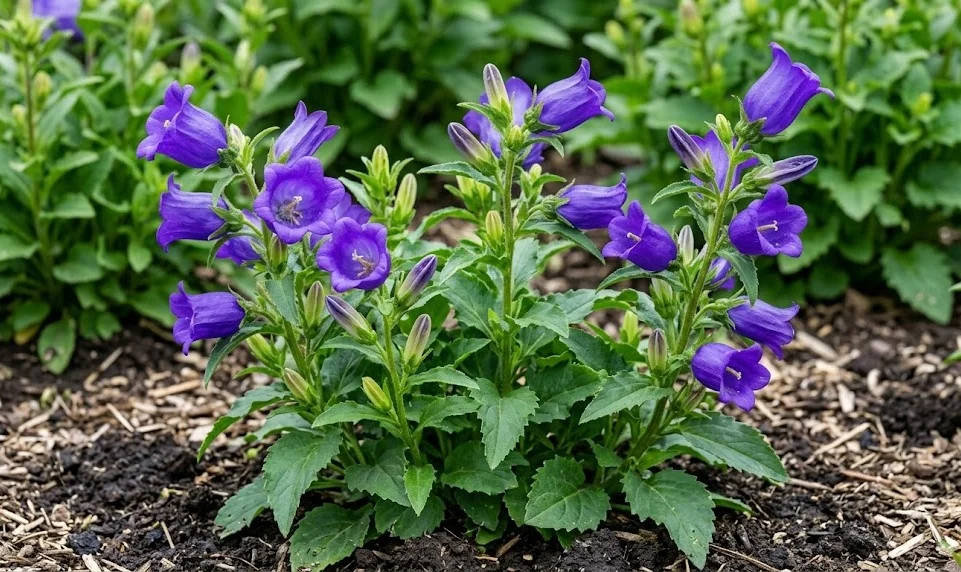

Protecting your garden from the various challenges posed by nature is an ongoing responsibility that requires both vigilance and knowledge. While bellflowers are generally robust and resilient, they are not entirely immune to the pressures of pests and diseases in a typical landscape. Identifying problems early is the most effective way to prevent a minor issue from becoming a major infestation that ruins your display. A healthy garden starts with clean habits and a proactive approach to monitoring the health of every individual plant.
Fungal issues are among the most common problems you will face when growing these perennials in a humid or crowded environment. Powdery mildew is a frequent visitor that leaves a white, flour-like coating on the surface of the leaves and stems. While it is rarely fatal, it can significantly weaken the plant and make it look unattractive during the height of the summer. Ensuring proper air circulation and avoiding overhead watering are the best professional strategies for keeping this fungus at bay.
Rust is another fungal disease that can be identified by the small, orange or brown pustules that appear on the undersides of the foliage. This condition can spread rapidly through the garden if the spores are carried by wind or splashing water from a heavy rain. If you notice signs of rust, you should immediately remove the infected leaves and dispose of them in the trash, never in the compost pile. Keeping the garden bed clean of fallen debris helps break the life cycle of many harmful pathogens.
Leaf spot diseases can also occur, appearing as dark, circular lesions on the foliage that may eventually cause the leaves to yellow and fall. These are often caused by bacteria or fungi that thrive in damp, stagnant conditions around the base of the plant. You can minimize the risk by spacing your plants correctly and removing any weeds that might trap moisture near the ground. A professional gardener knows that prevention is always much easier and cheaper than trying to find a cure later.
Managing common garden pests
Slugs and snails are perhaps the most notorious pests that enjoy munching on the tender young leaves and stems of these flowers. They are most active at night or during damp, cloudy weather, leaving behind telltale trails of silvery slime as they travel. You can often find them hiding under mulch, rocks, or large leaves during the heat of the day. Using physical barriers, such as copper tape or crushed eggshells, can help protect your most vulnerable plants from these slimy intruders.
More articles on this topic
Aphids are small, soft-bodied insects that cluster on the new growth and the undersides of leaves to suck out the sap. An infestation can cause the foliage to curl and distort, and the sticky honeydew they produce often attracts ants or leads to sooty mold. You can often manage a small population by simply knocking them off the plant with a strong stream of water from your garden hose. Attracting natural predators like ladybugs is a long-term, professional way to keep aphid numbers in check without using chemicals.
Spider mites are tiny pests that thrive in hot, dry conditions and can be difficult to see with the naked eye until the damage is severe. You might notice fine webbing between the leaves or a stippled, yellow appearance on the foliage as the mites feed. Increasing the humidity around your plants and keeping them well-watered can make the environment less attractive to these destructive arachnids. If the infestation is heavy, you may need to use an organic insecticidal soap to bring the population under control.
Thrips are another hidden threat that can damage both the foliage and the delicate petals of the developing flower buds. These slender insects cause silvery streaks or brown spots and can lead to the premature dropping of flowers before they have a chance to open. Monitoring your plants closely with yellow sticky traps can help you detect their presence before they cause significant aesthetic damage. Keeping the area around your flower beds free of weeds helps eliminate the alternate hosts where thrips often overwinter.
Natural and cultural control methods
The most effective way to manage pests and diseases is to cultivate strong, healthy plants that can naturally resist these common challenges. Proper site selection, adequate watering, and balanced nutrition are the cornerstones of a resilient and professional-looking garden. When a plant is stressed by drought or poor soil, it becomes much more attractive to opportunistic pests and pathogens. Investing time in the basic care of your landscape pays off in a significant reduction in long-term maintenance issues.
More articles on this topic
Practicing good garden hygiene is another simple yet powerful tool in your pest management toolkit throughout the entire year. Removing spent flowers and damaged leaves prevents them from becoming breeding grounds for mold or hiding spots for unwanted insects. At the end of the growing season, clearing away old foliage helps reduce the number of pests that can survive the winter in your garden beds. A tidy garden is not just about aesthetics; it is a fundamental part of a professional integrated pest management strategy.
Crop rotation and diversity in your planting plan can also help break the cycles of specific pests that target certain types of plants. By mixing different species together, you create a more complex ecosystem where beneficial insects can thrive and hunt for pests. Avoid planting the same species in the exact same spot year after year if you have had persistent disease problems in that location. This ecological approach mimics the natural world and leads to a much more stable and healthy garden environment over time.
Biological controls, such as releasing beneficial nematodes or encouraging birds to visit your yard, offer a safe way to manage soil-dwelling pests. Many common garden birds enjoy feeding on caterpillars and beetles that might otherwise damage your perennials. Providing a small water feature or birdhouse can attract these helpful allies and integrate them into your daily garden management. Using nature’s own checks and balances is a sophisticated and professional way to maintain a beautiful landscape.
Professional intervention strategies
When natural methods are not enough to save a prized specimen, you may need to consider more direct interventions to protect your plants. Horticultural oils and insecticidal soaps are professional-grade options that are relatively safe for the environment and beneficial insects. These products work by smothering the pests on contact, so thorough coverage of the foliage is essential for success. Always apply these treatments in the cool of the evening to avoid burning the leaves during the heat of the day.
Fungicides can be used as a preventative measure if you know that certain diseases are a recurring problem in your specific microclimate. Applying a copper-based spray in the early spring can help protect the new growth from fungal spores that might be lingering in the soil. It is important to remember that fungicides are most effective when used before the disease becomes widespread and obvious. Careful observation of the weather patterns will help you time these applications for the maximum possible protective effect.
If you must use synthetic pesticides, always choose the product that is most specific to the pest you are trying to control. Broad-spectrum chemicals can kill the very beneficial insects that you are trying to attract to your garden ecosystem. Read the entire label carefully and follow the safety instructions to protect yourself, your pets, and the local wildlife. Professionalism in gardening involves making responsible choices that consider the long-term health of the entire local environment.
Sometimes, the most professional decision you can make is to remove a severely infected plant entirely to save the rest of your collection. If a disease is systemic or particularly aggressive, trying to treat it might only allow it to spread further through your garden beds. Digging up the affected specimen and replacing the soil in that spot can prevent the pathogen from lingering for the next season. It is a difficult choice, but protecting the overall health of your landscape is the top priority for any serious grower.
Identifying nutrient deficiencies
Sometimes what looks like a disease or a pest problem is actually a sign that the plant is missing an essential mineral from the soil. Yellowing between the veins of the leaves, for example, often indicates a lack of magnesium or iron rather than a fungal infection. Understanding these visual cues allows you to treat the root cause of the problem instead of just the visible symptoms. A professional gardener looks at the whole plant to determine exactly what it needs to regain its health and vigor.
Purple-tinted leaves or stunted growth can be a signal that the plant is struggling to absorb enough phosphorus from the ground. This often happens in very cold soil or when the pH level is too high or too low for the plant’s liking. Before you reach for a bottle of pesticide, consider if a simple application of a balanced liquid fertilizer might solve the issue. Correcting the nutritional balance is often the quickest and most effective way to restore the beauty of your flower beds.
Brittle stems or distorted new growth can sometimes be linked to a calcium deficiency, which affects the structural integrity of the plant cells. While rare in most garden soils, it can occur in containers where the nutrients are washed away frequently by heavy watering. Using a potting mix that includes a slow-release source of minerals can prevent these subtle issues from appearing in the first place. Consistency in your feeding routine is the best defense against many of these physiological disorders.
Keeping detailed records of when you fertilize and what products you use can help you identify patterns in the health of your garden. If a certain group of plants always seems to struggle at the same time of year, you can look for environmental or nutritional causes. This analytical approach is what separates a professional horticulturist from a casual hobbyist who might just be guessing at the problem. Knowledge is the most powerful tool you have for keeping your garden green, vibrant, and free of pests and diseases.