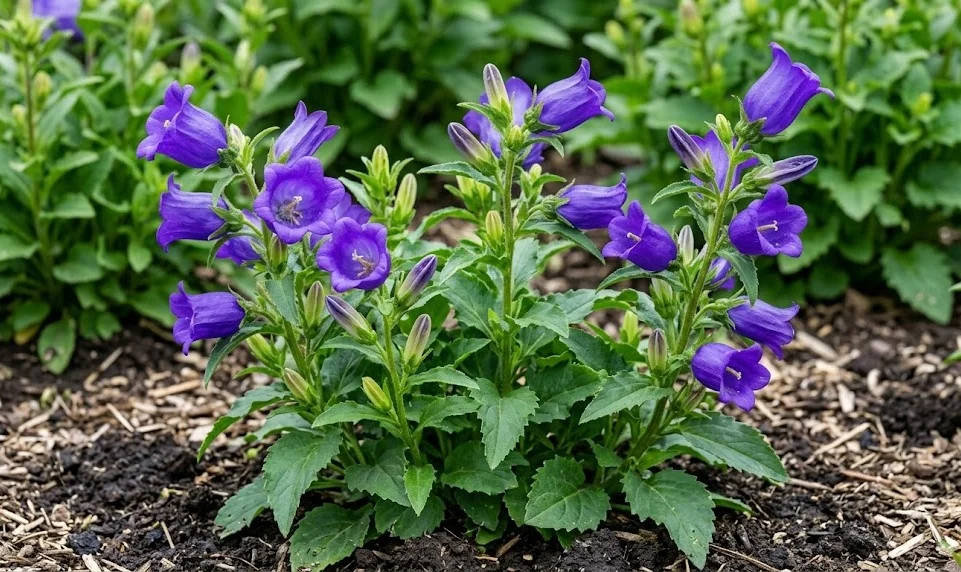

Effective water management and balanced nutrition are the two pillars that support a thriving and beautiful garden landscape. For the bellflower, finding the right equilibrium ensures that the plant remains hydrated without becoming waterlogged or nutrient-deficient. These perennials are generally adaptable, but they truly shine when their specific environmental needs are met with precision. A professional approach to these basic tasks will result in stronger stems, greener leaves, and more abundant floral displays.
Monitoring the moisture levels in the soil is an essential daily task during the peak of the growing season. You should check the ground by feel rather than relying solely on visual cues, as the surface can often look dry while the roots are still damp. Sticking your finger an inch or two into the soil will give you a clear idea of whether it is time to bring out the hose. Consistency is the secret to preventing the stress that can lead to dropped buds or stunted growth.
The timing of your watering routine can have a significant impact on the health of the foliage and the roots. Watering in the early morning is widely considered the best practice by professional horticulturists and experienced home gardeners. This allows the leaves to dry out quickly in the sun, which significantly reduces the risk of fungal infections and mold. Evening watering should be avoided whenever possible, as damp leaves overnight are an open invitation for pests and diseases.
Using the right tools for the job makes the process more efficient and ensures that the water reaches the root zone. A soaker hose or a drip irrigation system is ideal because it delivers moisture directly to the soil without wetting the leaves. If you are using a traditional watering can, aim for the base of the plant and pour slowly to allow the water to soak in deeply. Deep, infrequent watering is much more beneficial than light, daily sprinkles that only wet the very top of the soil.
Managing seasonal moisture needs
As the seasons change, so too do the requirements for hydration and the frequency of your gardening chores. In the spring, the natural rainfall is often sufficient to keep established plants happy as they begin their new growth. However, if the weather is unusually dry, you must step in to ensure the young shoots have the moisture they need to expand. This early support sets the stage for the dramatic display of flowers that will follow in the coming months.
More articles on this topic
Summer brings higher temperatures and increased evaporation, making it the most demanding time for water management in the garden. During heatwaves, you may need to increase the frequency of your watering to prevent the soil from drying out completely. Mulching the area around your plants is a professional way to slow down moisture loss and keep the root zone cool. A thick layer of bark or straw acts as a protective blanket that preserves the precious water you provide.
In the autumn, the plants begin to slow down their metabolism as they prepare for the coming winter dormancy. You should gradually reduce the amount of water you give them as the air cools and the days become shorter. Overwatering during this transitional phase can be dangerous, as it might encourage soft growth that is easily damaged by the first hard frost. Pay attention to the natural cues of the environment to guide your hand as the season winds down.
Winter watering is rarely necessary in many climates, but it can be important if you live in an area with dry, windy winters. If the ground is not frozen and there has been no rain or snow for several weeks, a light watering can prevent the roots from desicating. This is particularly important for plants in containers or those that were only recently added to the garden. Once the spring thaw begins, the natural moisture cycle will take over once again.
Essential nutrients for growth
Providing the right fuel for your plants is just as important as giving them enough water throughout the year. A balanced fertilizer containing nitrogen, phosphorus, and potassium provides the building blocks for healthy development and vibrant blooms. Nitrogen promotes lush green foliage, while phosphorus is essential for strong root systems and the production of beautiful flowers. Potassium helps the overall resilience of the plant, making it more resistant to heat, cold, and common pests.
More articles on this topic
Organic options, such as compost or well-rotted manure, offer a slow-release source of nutrients that also improves the soil structure. These materials encourage beneficial microbial activity, which helps make nutrients more available to the plant roots over time. You can spread a layer of organic matter around the base of the plants each spring to act as both a mulch and a fertilizer. This natural approach is often the best way to maintain long-term garden health and soil fertility.
Synthetic fertilizers can be useful when you need a quick boost of energy for a struggling plant or a container display. These products are available in various forms, including liquids, granules, and spikes, allowing you to choose the most convenient application method. It is vital to follow the package directions exactly to avoid over-fertilizing, which can cause chemical burns on the sensitive roots. A little goes a long way, and it is always better to under-apply than to risk damaging your precious perennials.
Micronutrients like magnesium, iron, and calcium also play a supporting role in the biological processes of the plant. While they are needed in smaller quantities, a deficiency can lead to specific symptoms like pale leaves or weak stems. If you notice unusual coloring that doesn’t improve with standard feeding, you might need a specialized fertilizer to correct the balance. Professional soil testing can identify these hidden gaps and help you tailor your nutritional strategy perfectly.
Timing and application of fertilizer
Knowing when to feed your plants is just as important as knowing what to give them for the best results. The first application of the year should typically happen in the early spring as soon as you see the first signs of green growth. This provides a focused burst of energy that supports the rapid expansion of leaves and the development of flower stalks. Many gardeners find that a second, lighter feeding in early summer helps sustain the blooming period through the heat.
You should always apply fertilizer to moist soil rather than bone-dry ground to prevent root shock and improve absorption. Watering the area thoroughly before and after you feed the plants helps the nutrients move down into the root zone where they are needed. For granular products, try to keep the fertilizer off the leaves and stems to avoid any potential foliage burn from the chemicals. If you are using a liquid feed, a gentle application around the base is the most professional and effective method.
Avoid fertilizing too late in the summer or early fall, as this can stimulate new growth that won’t have time to mature before winter. Tender young shoots are the most vulnerable to frost damage and can compromise the overall health of the entire plant. By stopping the feeding schedule by late August, you allow the plant to naturally harden off and enter its dormant state safely. Timing your interventions with the natural rhythm of the plant is the key to professional cultivation.
For plants grown in containers, the rules are slightly different because nutrients are leached out of the soil every time you water. You will likely need to feed these specimens more frequently with a diluted liquid fertilizer to keep them looking their best. A regular routine every two to three weeks during the growing season is usually sufficient to maintain vibrant color and steady growth. Paying close attention to the specific needs of your potted plants will ensure they remain the stars of your patio.
Common mistakes to avoid
One of the most frequent errors in the garden is overwatering, which can lead to a host of problems that are difficult to fix. When the soil is constantly saturated, the roots cannot breathe, and they will eventually begin to rot and die. You will often see the leaves turn yellow and drop off, which can ironically look like a sign of dehydration to the untrained eye. If you suspect overwatering, stop immediately and allow the soil to dry out completely before checking the roots.
Over-fertilizing is another common pitfall that can lead to excessive foliage growth at the expense of beautiful flowers. While a lush green plant looks healthy, too much nitrogen can make the stems weak and attractive to pests like aphids. In extreme cases, a buildup of salts from synthetic fertilizers can actually pull moisture out of the roots, causing the plant to wilt. Always err on the side of caution and use organic methods whenever possible to build soil health naturally.
Using the wrong type of fertilizer can also cause issues, especially if you are using a product with a very high nitrogen content. For flowering perennials, you want a balanced formula or one that is slightly higher in phosphorus to encourage bud development. Avoid using general lawn fertilizers near your flower beds, as these are designed specifically for grass and contain far too much nitrogen for most perennials. Reading the labels and understanding the N-P-K ratios is a fundamental skill for any serious gardener.
Neglecting the soil pH can sometimes render your fertilization efforts useless because the plant cannot absorb the nutrients. Most varieties prefer a neutral to slightly alkaline soil, but extreme levels in either direction can lock up essential minerals. If your plants are struggling despite regular feeding and watering, it might be time to test the acidity of your garden beds. Adjusting the pH with lime or sulfur is a professional move that can unlock the full potential of your landscape.