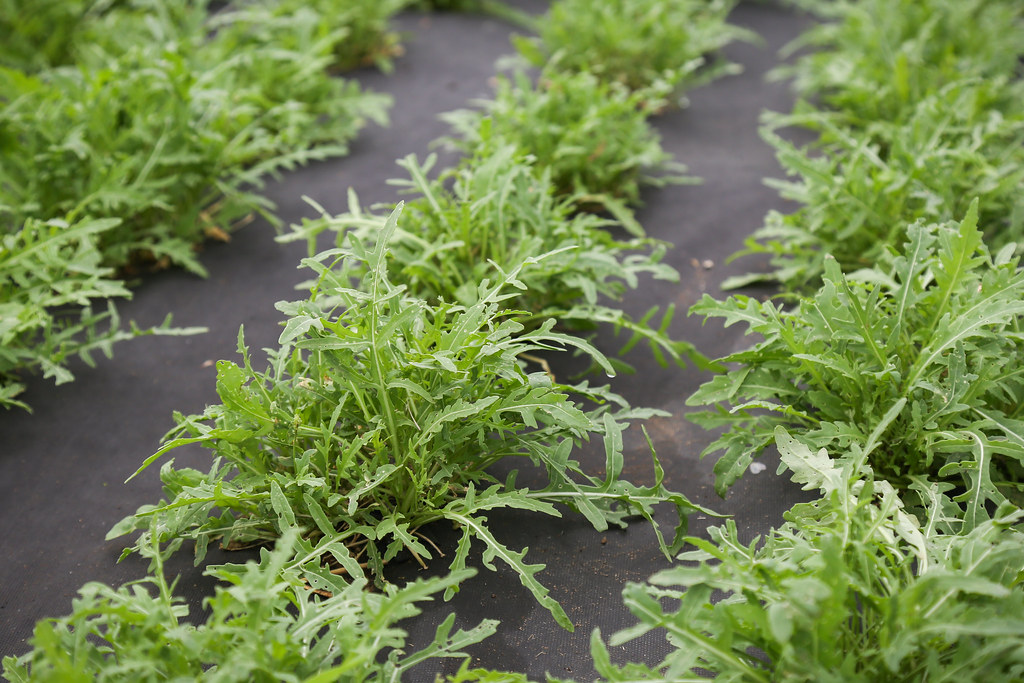

Providing arugula with the appropriate amount of water and nutrients is fundamental to cultivating a successful crop of this fast-growing, peppery green. The plant’s demands are relatively straightforward, but meeting them consistently is the key to producing tender, flavorful leaves and preventing premature bolting. Proper irrigation ensures the leaves remain succulent and mild, while a balanced approach to fertilization supports vigorous growth without compromising the plant’s health. Neglecting either of these critical inputs can lead to stressed plants, resulting in a harvest that is bitter, tough, or sparse. Therefore, a thoughtful strategy for watering and feeding is an essential component of any arugula care regimen.
Water is arguably the most critical element for arugula, as even short periods of drought can negatively impact its quality. The plant requires consistent soil moisture to thrive, and fluctuations can signal the plant to shift from leaf production to seed production. This is why establishing a regular watering schedule is so important, especially during dry or windy weather when soil moisture evaporates more quickly. The goal is to create a soil environment that is constantly moist, like a well-wrung sponge, but never waterlogged, which could suffocate the roots.
Fertilization, on the other hand, requires a more measured approach. Arugula is not a particularly heavy feeder, and its rapid growth cycle means it does not need a long-term supply of heavy nutrients. In many cases, soil that has been well-amended with rich organic matter like compost before planting will provide all the nutrients the arugula needs to complete its life cycle. Over-fertilizing, particularly with nitrogen-rich fertilizers, can be counterproductive, leading to excessive, weak foliage that is more attractive to pests like aphids.
Ultimately, the synergy between proper watering and appropriate fertilization is what produces a premium arugula crop. Consistent moisture keeps the plant’s physiological processes running smoothly, allowing it to efficiently uptake the available nutrients from the soil. A well-prepared, fertile soil provides the gentle, steady supply of food the plant needs. By mastering these two aspects of cultivation, the gardener sets the stage for a prolonged and rewarding harvest of high-quality arugula leaves.
The critical role of consistent moisture
Consistent moisture is the lifeblood of a healthy arugula plant and has a direct and profound impact on the taste and texture of its leaves. Arugula is composed mostly of water, and a steady supply is necessary to keep its cells turgid and its leaves crisp and succulent. When the plant experiences water stress, even for a short period, the leaves can become limp, tough, and develop an unpleasantly strong, bitter flavor. This bitterness is a result of the plant producing certain chemical compounds as a defense mechanism in response to stressful conditions.
More articles on this topic
Moreover, inconsistent watering is one of the primary triggers for bolting in arugula. When the plant’s access to water becomes unreliable, it perceives this as a threat to its survival. In response, it accelerates its life cycle, shifting its energy from producing leaves to creating a flower stalk and seeds to ensure the next generation. For the gardener, this means the harvest season is cut short abruptly. Therefore, maintaining even soil moisture is a crucial preventative measure to keep the plant in its vegetative, leaf-producing stage for as long as possible.
The frequency of watering will depend on several factors, including your soil type, climate, and recent weather patterns. Sandy soils drain quickly and will require more frequent watering than clay-based soils, which retain moisture for longer. During hot, dry, and windy spells, you may need to water daily, while in cooler, overcast weather, every few days might suffice. The most reliable method is to check the soil regularly by inserting a finger about an an inch deep; if it feels dry at that depth, it is time to apply water.
Developing a proactive watering strategy is far more effective than reacting to a wilted plant. Once arugula wilts from lack of water, some damage to the quality of the leaves has already occurred. By establishing a routine of checking the soil and watering whenever necessary, you can avoid this stress cycle altogether. This consistent care ensures the plant remains healthy and focused on producing the tender, mildly peppery leaves that are so highly prized in the kitchen.
Best practices for watering
To ensure your arugula crop receives the moisture it needs without creating other problems, it is important to follow some best watering practices. The most effective method is to water deeply and less frequently, rather than shallowly and often. Deep watering encourages the plant to develop a more extensive and resilient root system that can access moisture from deeper within the soil profile. This makes the plant less vulnerable to drying out during short dry spells. Aim to moisten the soil to a depth of at least 15 centimeters with each watering.
More articles on this topic
The timing of your watering is also a significant factor in plant health. The ideal time to water arugula is early in the morning. This provides the plant with the water it needs to get through the heat of the day and minimizes water loss through evaporation. Watering in the morning also allows any moisture that gets on the leaves to dry quickly in the sun, which significantly reduces the risk of fungal diseases like powdery mildew and downy mildew taking hold. Avoid watering in the evening, as foliage that remains wet overnight creates a perfect breeding ground for these pathogens.
The delivery method for the water is another key consideration. As much as possible, water should be applied directly to the soil at the base of the plants. Using drip irrigation or soaker hoses is the most efficient and beneficial way to do this. These systems deliver water slowly and directly to the root zone, minimizing evaporation and ensuring the water gets where it is needed most. They also have the crucial advantage of keeping the leaves dry. If you must use a sprinkler or a hose with a spray nozzle, do so in the morning so the foliage has ample time to dry.
Finally, consider the use of mulch as a vital component of your watering strategy. Applying a 5-7 centimeter layer of organic mulch, such as straw, shredded leaves, or grass clippings, around your arugula plants offers multiple benefits. Mulch helps to conserve soil moisture by reducing evaporation from the soil surface, which means you will need to water less often. It also helps to suppress weeds that compete with your arugula for water and nutrients, and it keeps the soil temperature cooler, which can help to delay bolting in warmer weather.
Understanding arugula’s nutrient needs
Arugula is considered a light to moderate feeder, meaning it does not have exceptionally high demands for nutrients compared to other garden vegetables. Its rapid growth cycle, often going from seed to harvest in just four to six weeks, means it needs a ready supply of nutrients, but not for a prolonged period. The most critical nutrient for arugula is nitrogen, which is essential for vigorous foliage development. Adequate nitrogen ensures the plant produces lush, green leaves, which are the primary part of the plant that is harvested.
While nitrogen is key for leaf growth, a balanced supply of other macronutrients is also important for overall plant health. Phosphorus plays a vital role in root development and energy transfer within the plant. Potassium is crucial for regulating water movement and increasing the plant’s resilience to stress and disease. A soil that is rich in well-decomposed organic matter typically contains a good balance of these essential nutrients, making it an ideal growing medium for arugula. This is why the initial soil preparation is so important.
The best way to meet arugula’s nutrient needs is to focus on building healthy, fertile soil. Before planting, incorporate a generous amount of high-quality compost or well-rotted manure into the garden bed. A 5-10 centimeter layer worked into the top 15-20 centimeters of soil will provide a slow and steady release of balanced nutrients throughout the arugula’s short growing season. For most gardens, this single pre-planting amendment is all the fertilization that arugula will require.
It is important to avoid the temptation to over-fertilize, particularly with high-nitrogen chemical fertilizers. An excess of nitrogen can cause a rapid, weak flush of growth that is more attractive to pests like aphids. It can also lead to an accumulation of nitrates in the leaves. A more sustainable and effective approach is to feed the soil, not the plant. By focusing on creating a rich, living soil ecosystem through the use of organic matter, you provide your arugula with everything it needs to thrive naturally.
Organic fertilization options
For gardeners who prefer an organic approach, there are numerous excellent options for fertilizing arugula that build soil health and provide gentle, effective nutrition. The cornerstone of organic fertilization is compost. A well-matured compost is a perfect soil amendment for arugula, providing a balanced profile of macro and micronutrients in a slow-release form. It also improves soil structure, water retention, and encourages beneficial microbial activity. Incorporating compost into the bed before planting is the single most effective step you can take for a healthy crop.
If your soil is particularly poor or if your plants seem to be lacking vigor, an additional boost can be provided with other organic fertilizers. A balanced, granular organic vegetable fertilizer can be lightly worked into the soil before planting. Look for products with a relatively balanced N-P-K ratio, such as a 4-4-4 or 5-5-5, to ensure the plants get a well-rounded supply of nutrients. These products are derived from natural sources like seed meal, bone meal, and kelp, and they release their nutrients gradually as soil microbes break them down.
Liquid organic fertilizers can be very useful for giving your arugula a quick nutritional boost, especially if you notice signs of a deficiency like yellowing leaves. Products such as compost tea, fish emulsion, or seaweed extract can be diluted with water according to the package directions and applied as a soil drench around the base of the plants. These liquid feeds are absorbed quickly by the plant’s roots and can provide a rapid improvement in growth and color. They are best used as a supplement to good soil preparation, not a replacement for it.
Another excellent organic option is the use of cover crops or green manures. Planting a nitrogen-fixing cover crop like clover or vetch in the season before you plant your arugula can naturally enrich the soil. When the cover crop is tilled into the soil, it decomposes and releases valuable nitrogen and organic matter, creating an incredibly fertile bed for the following arugula crop. This method is a key practice in sustainable agriculture and is a fantastic way to build long-term soil fertility without relying on external inputs.


I’ve noticed that if I let my arugula get too dry, the flavor becomes incredibly intense and almost unpleasantly spicy. Consistent moisture is definitely key for producing those mild, tender leaves that are perfect for salads. I use a soaker hose in my arugula beds to provide a slow, steady supply of water without getting the leaves wet. This also helps prevent any fungal issues like downy mildew. It’s a very efficient way to irrigate and keeps the plants happy even during dry spells. I highly recommend it for any serious vegetable gardener.
I’ve had the same experience with the flavor intensity, PepperyBite! I actually don’t mind a little bit of a kick, but too much can be overwhelming. I’ve started watering my arugula every morning during the summer to help keep it from getting stressed. It’s a small task but it definitely makes a difference for the quality of the harvest. I’m a big fan of the soaker hose idea as well!
I’ll have to try the morning harvest trick, Green_Gourmet! I usually just pick it whenever I need it for dinner, but I can see how the timing would make a difference. Thanks for the tip—I’m always looking for ways to improve the quality of my home-grown produce!
Arugula is a relatively fast-growing crop, so it does benefit from a bit of extra nutrition, especially in poorer soils. I usually incorporate a generous amount of well-rotted compost into the bed before planting to provide a good foundation. If the growth starts to slow down mid-season, I’ll apply a light side-dressing of an organic, nitrogen-rich fertilizer. Just be careful not to overdo it, as too much nitrogen can lead to excessive foliage growth at the expense of flavor. It’s all about finding that right balance for your specific garden. I’ve found that compost is usually more than enough for most of my arugula crops.
Harvesting early in the morning is another great way to ensure the best flavor and texture for your arugula. The leaves are at their most succulent and hydrated at that time, and they’ll stay fresh for much longer after you pick them. I always bring a bowl of cold water out to the garden with me to keep the leaves crisp as I harvest. It’s a simple trick that makes a big difference for the quality of your salads! I also try to avoid harvesting during the hottest part of the day, as the leaves can wilt very quickly in the sun.