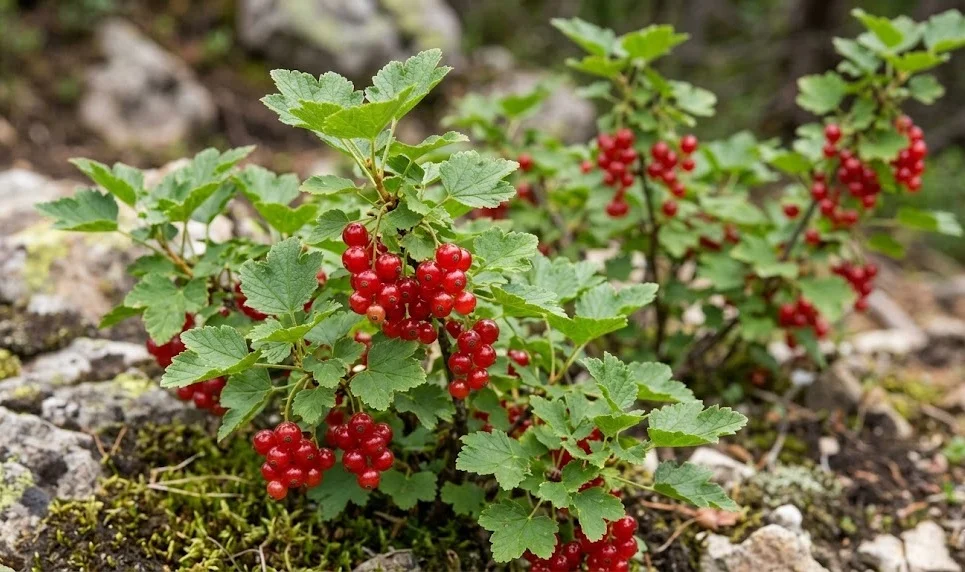

Preparing your shrubs for the cold months is a critical part of ensuring their long-term health and vigor. You must understand that even hardy species like the alpine currant can be damaged by extreme temperature swings or drying winds. A well-prepared plant will enter dormancy smoothly and emerge in the spring with minimal dieback. Your goal is to provide the necessary protection while allowing the plant to complete its natural winter cycle.
The process of overwintering begins long before the first frost actually arrives in your garden. You should focus on hardening off the new growth by reducing fertilizer and water in the late summer. This allows the stems to become woody and more resistant to the freezing temperatures of winter. Soft, green growth is very susceptible to frost damage and can lead to structural issues later on.
One of the biggest threats during the winter is actually dehydration rather than the cold itself. You should ensure the soil has adequate moisture before the ground freezes solid for the season. Frozen ground prevents the roots from taking up water, which can be a problem if the winter is dry and windy. A deep watering in late autumn provides a reservoir of moisture that the plant can rely on.
Monitoring the local weather forecast will help you time your final preparations perfectly. You should be ready to act when the temperatures consistently stay below freezing or when a major cold front is predicted. Having your supplies ready in advance ensures that you won’t be caught off guard by an early winter storm. Professional overwintering is all about timing and a thorough understanding of your local climate.
Hardiness and natural dormancy
The alpine currant is exceptionally cold-hardy, which is one of the reasons it is so popular in northern climates. You should know that it is rated for very cold zones, meaning it can survive temperatures well below zero. This natural resilience comes from its origins in mountainous regions where winters are long and harsh. Understanding the plant’s native environment helps you appreciate its ability to handle tough conditions.
More articles on this topic
Dormancy is a protective state that allows the plant to conserve energy and survive when growth is not possible. You will notice the leaves changing color and falling off as the days get shorter and the temperatures drop. This is a perfectly normal and healthy part of the plant’s lifecycle that you should not try to interfere with. During this time, the plant’s metabolic processes slow down significantly to a minimal level.
The roots continue to be active at a very slow pace even when the top of the plant looks dead. You should realize that the health of the root system during the winter determines the vigor of the spring growth. Providing a stable environment for the roots is the most important thing you can do during the dormant phase. A healthy dormancy period is essential for the long-term longevity of the shrub.
Environmental triggers like day length and temperature tell the plant when it is time to wake up or go to sleep. You should avoid using artificial lights near your shrubs at night, as this can confuse their internal biological clock. Consistent natural signals ensure that the plant enters and exits dormancy at the correct times. Respecting the natural rhythms of the seasons is a key part of professional plant management.
Protecting root systems and stems
Mulching is the most effective way to protect the root system from the damaging effects of frost heaving. You should apply a thick layer of organic mulch, such as shredded bark or wood chips, around the base of the shrub. This layer acts as insulation, keeping the soil temperature more consistent throughout the winter months. It also prevents the ground from freezing and thawing repeatedly, which can push plants out of the soil.
More articles on this topic
For younger plants or those in particularly exposed locations, you might consider using a burlap wrap or a temporary windbreak. You should create a structure that blocks the harshest winter winds without touching the foliage directly. This prevents the wind from sucking the moisture out of the branches, a process known as winter desiccation. Protecting the physical structure of the plant is vital for maintaining its shape and health.
Snow can actually be a very effective natural insulator for your garden plants. You should allow a moderate amount of snow to accumulate around the base of the shrubs if it falls naturally. However, heavy, wet snow should be carefully brushed away from the branches to prevent them from breaking. The weight of accumulated ice and snow can cause permanent structural damage if the branches are not supported.
Rodents and other small animals can sometimes become a problem during the winter as they look for food. You should check the base of your shrubs for any signs of gnawing or bark stripping that could girdle the plant. Using a wire mesh guard around the lower stem can provide a physical barrier against these hungry winter visitors. Protecting the bark is essential for the continued transport of nutrients when growth resumes.
Late season maintenance and cleanup
A thorough garden cleanup in the late autumn is one of the best things you can do for your shrubs. You should remove any fallen leaves and debris that might harbor pests or fungal spores over the winter. This simple step significantly reduces the risk of disease outbreaks when the weather warms up in the spring. A clean garden is not just about aesthetics; it is a fundamental part of plant health management.
If you haven’t already done so, this is a good time to perform a final inspection for any dead or damaged wood. You should prune out any branches that are broken or showing signs of disease before the winter sets in. This prevents pathogens from spreading and reduces the surface area where snow and ice can accumulate. Clean, sharp cuts heal better and are less likely to experience issues during the cold months.
Make sure all your watering equipment is properly drained and stored away before the first hard freeze. You should disconnect hoses from outdoor faucets to prevent them from bursting and damaging your plumbing. Cleaning and oiling your hand tools now will ensure they are ready for action as soon as the spring arrives. Professional maintenance extends the life of your equipment and your plants alike.
Reviewing your gardening notes from the past season can help you plan for the coming year. You should think about what worked well and what challenges you faced with your alpine currants. This reflection allows you to make adjustments to your care routine and improve your results over time. Every winter is an opportunity to learn and grow as a professional gardener.
Spring awakening and recovery
As the ground begins to thaw and the days get longer, you should start monitoring your shrubs for signs of life. You will notice the buds beginning to swell and the first hints of green appearing on the stems. This is an exciting time, but you must be careful not to rush into heavy maintenance too early. Late spring frosts can still damage tender new growth if the plant is forced into early activity.
Once the danger of a hard freeze has passed, you can begin to gradually remove any winter protection you used. You should pull back the mulch slightly from the base of the stems to allow the soil to warm up. This is also the perfect time to apply a light layer of fresh compost or a balanced spring fertilizer. Providing nutrients now supports the rapid growth that happens during the early part of the season.
Check the shrub for any winter kill, which appears as brittle, dark, or shriveled branches. You should prune back to healthy, green wood to encourage the plant to fill in the gaps. Sometimes it takes a few weeks to see exactly which parts of the plant have survived the winter successfully. Patience is key during the spring recovery phase to avoid removing branches that might still be viable.
Finally, ensure that the plants are getting enough water as they start their most active growth period. The spring can often be dry, and the new leaves need a consistent supply of moisture to develop properly. Continue to monitor the soil moisture and provide supplemental hydration if the rainfall is insufficient. A strong start in the spring sets the tone for the entire growing season ahead.