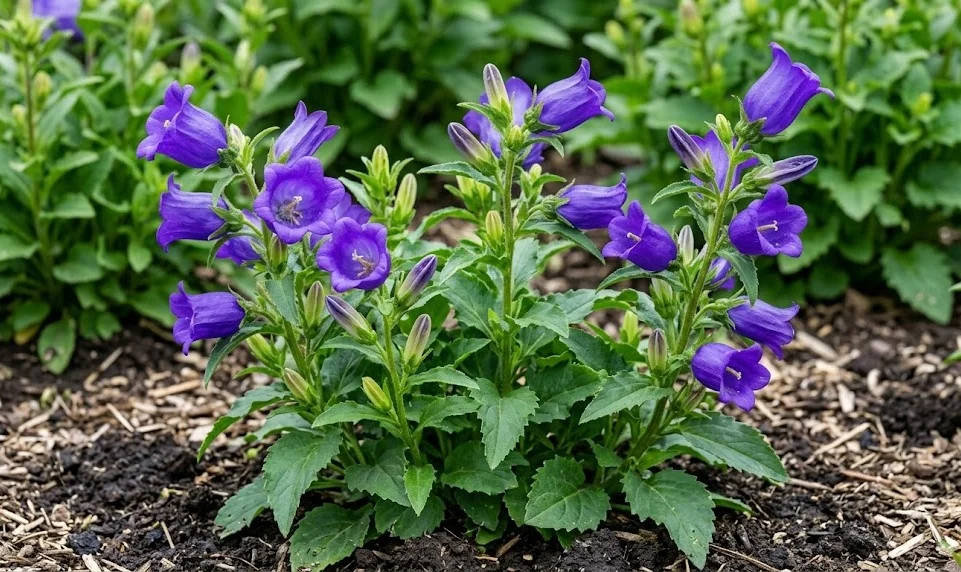

Maintaining a garden is a labor of love that rewards the grower with vibrant colors and delicate textures throughout the seasons. The bellflower is a classic choice for many gardeners because of its reliability and the sheer variety of shapes it offers. Whether you are looking for a groundcover or a tall border plant, these perennials provide a touch of elegance that is hard to match. Taking the time to understand their specific needs ensures that your landscape remains lush and healthy for years to come.
Understanding the local climate is the first step in providing the best possible care for your plants. Most varieties thrive in temperate conditions where the summers are not excessively hot or dry. You should observe how the weather shifts in your specific region to adjust your maintenance schedule accordingly. Small changes in humidity or temperature can influence how quickly the foliage grows or when the blooms appear.
Soil quality plays a fundamental role in the overall vitality of any perennial species in the garden. These plants prefer a medium that is rich in organic matter and allows for proper drainage to prevent root issues. You can improve your garden beds by incorporating compost or well-rotted manure before the growing season begins. Testing the pH level of your soil can also provide insights into which nutrients might be lacking or overabundant.
Air circulation is an often overlooked aspect of plant care that significantly impacts health and longevity. When plants are crowded together, moisture can become trapped between the leaves, leading to various fungal problems. Providing enough space between each specimen allows the breeze to dry out the foliage after a morning dew or heavy rain. This simple practice reduces the need for chemical interventions and keeps the garden looking tidy and professional.
Creating the ideal environment
Selecting the right location is the foundation of a successful gardening project involving these charming blue and purple flowers. You need to look for a spot that offers a balance between exposure and protection from the harshest elements. While they appreciate the light, they also need a break from the intense afternoon sun in warmer climates. Evaluating the shadows in your yard throughout the day will help you find the perfect permanent home.
More articles on this topic
The texture of the soil should be loose enough to allow roots to expand without meeting too much resistance. Heavy clay soils can be problematic because they retain too much water and can suffocate the root system during wet winters. Adding grit or coarse sand can help open up the structure of the soil for better aeration. A healthy root system is the engine that drives the growth and flowering potential of the entire plant.
Temperature fluctuations can sometimes stress young plants that are still establishing themselves in the landscape. It is beneficial to monitor the local forecast during the early spring when late frosts are still a possibility. Applying a light layer of mulch can help regulate the ground temperature and protect the delicate crown of the plant. Consistency is key when trying to mimic the natural alpine or woodland habitats where these species originated.
Wind protection is another factor to consider, especially for the taller varieties that can reach significant heights. Strong gusts can easily snap the slender stems or cause the plant to lean in an unattractive manner. Planting near a fence or among sturdier shrubs can provide the necessary structural support to keep them upright. A sheltered spot also helps maintain a slightly higher humidity level which many of these plants find quite beneficial.
Seasonal maintenance routines
Spring is the time for renewal and represents the busiest period for any dedicated gardener looking for the best results. As soon as the ground thaws, you should clear away any debris or dead leaves that accumulated over the winter months. This cleanup process not only improves the appearance of the garden but also removes potential hiding spots for pests. It is also the ideal moment to apply a fresh layer of organic mulch to the base of each plant.
More articles on this topic
Summer care focuses largely on managing moisture levels and ensuring the plants do not become overly stressed by the heat. During periods of drought, the foliage may begin to wilt, signaling that the plant needs a deep and thorough soak. Removing spent flowers is another essential task that encourages the plant to produce a second flush of blooms. This process, known as deadheading, prevents the plant from putting all its energy into seed production.
Autumn marks the transition toward dormancy and requires a different approach to plant management and care. You should gradually reduce the frequency of watering as the days grow shorter and the temperatures begin to drop. It is also a good time to assess the overall health of the garden and decide if any plants need to be moved. Leaving some of the dried foliage in place can provide extra protection for the crown during the first few frosts.
Winter is generally a period of rest for the garden, but there are still small tasks that can be performed. Checking the mulch layer after a heavy windstorm ensures that the roots remain covered and protected from the cold. Avoiding heavy foot traffic near the planting beds prevents soil compaction while the ground is frozen or saturated. Planning for the upcoming season during these quiet months allows you to stay ahead of the spring rush.
Advanced cultivation techniques
Mastering the art of gardening often involves experimenting with different techniques to see what works best in your unique microclimate. You might find that some varieties respond better to specific organic amendments than others in your neighborhood. Keeping a garden journal is a professional way to track the growth patterns and flowering times of your collection. These records become invaluable over time as you refine your approach to caring for your outdoor space.
The use of beneficial insects is a natural way to maintain a healthy balance within your garden ecosystem. Ladybugs and lacewings can help control aphid populations that might otherwise damage the soft new growth of your plants. Creating a habitat that attracts these predators reduces the reliance on synthetic pesticides and promotes a more sustainable environment. Diversity in planting is the best defense against many common horticultural challenges.
Staking is often necessary for the grander varieties that produce heavy clusters of bell-shaped flowers on tall stems. Using bamboo poles or discreet metal hoops can provide the support needed without distracting from the natural beauty. It is best to put these supports in place early in the season so the plant can grow into them naturally. This proactive approach prevents the need for clumsy adjustments once the plant is already in full bloom.
Improving soil microbiology is a high-level strategy that can lead to exceptional plant health and vigor. Using compost teas or mycorrhizal fungi inoculants helps establish a symbiotic relationship between the roots and the soil. This enhances the plant’s ability to absorb water and essential minerals even in less-than-ideal conditions. Professional growers often rely on these invisible helpers to produce the most impressive displays at flower shows.
Container gardening specifics
Growing these perennials in pots offers a wonderful way to bring color to patios, balconies, or even small urban courtyards. You must choose a container that has adequate drainage holes to ensure excess water can escape freely. Using a high-quality potting mix designed for containers will provide the right balance of moisture retention and aeration. Pots tend to dry out much faster than the ground, so frequent monitoring is required during the summer.
The choice of material for your containers can also affect the health and growth rate of the plants inside. Terracotta pots are breathable but can cause the soil to dry out rapidly in windy or sunny locations. Plastic or glazed ceramic options hold moisture longer but can lead to root rot if you are not careful with your watering. Consider the weight of the pot if you plan on moving your display around to catch the best light.
Feeding container-grown plants is crucial because they have limited access to natural soil nutrients and minerals. A balanced liquid fertilizer applied every few weeks during the growing season will keep the foliage green and the flowers plentiful. Be sure to follow the instructions on the product label to avoid over-fertilizing, which can burn the roots. Rushing the process with too much food often results in weak, leggy growth that is prone to pests.
Repotting is a task that should be performed every couple of years to give the roots more space and refresh the soil. You will know it is time when you see roots growing out of the drainage holes or the water runs straight through. Gently loosening the root ball before placing it in a larger vessel encourages new growth to explore the fresh medium. This simple maintenance task keeps your container displays looking fresh and professional year after year.
Troubleshooting common issues
Even with the best care, you might occasionally encounter problems that require a quick and decisive response to fix. Yellowing leaves can be a sign of many different things, ranging from overwatering to a simple lack of nitrogen. Investigating the moisture level of the soil should always be your first step when you notice a change in color. If the soil is soggy, allow it to dry out completely before you consider adding any more water.
Stunted growth or a lack of flowers often indicates that the plant is not receiving enough sunlight or nutrients. You might need to move the plant to a brighter location or increase the frequency of your fertilization routine. Sometimes, competition from nearby weeds can also rob your perennials of the resources they need to thrive. Keeping the area around the base of the plant clear of unwanted vegetation is a basic yet effective strategy.
Wilting during the heat of the day is sometimes normal, but if the plant does not recover by evening, there is an issue. This could mean the roots are damaged or the plant is simply not getting enough deep hydration during the week. Check the stem near the soil line for any signs of physical damage or rot that might be blocking water transport. A healthy plant should be resilient and bounce back quickly once the sun begins to set.
Leggy or floppy stems are usually a result of too much shade or an overabundance of high-nitrogen fertilizer. When plants stretch toward the light, they become weak and are easily damaged by wind or heavy rain. You can prune back the thin growth to encourage a bushier habit and provide better light exposure. Balancing the environmental factors is the most professional way to ensure your garden remains structural and aesthetically pleasing.
Long term garden health
Thinking about the future of your landscape involves more than just the immediate needs of the current growing season. Dividing your perennials every three to four years helps rejuvenate older clumps and prevents them from becoming overcrowded. This process involves lifting the entire plant and carefully separating it into smaller, more vigorous sections. You can then replant these divisions in other parts of the garden or share them with friends.
Soil health should be a continuous focus rather than a one-time task completed during the initial planting phase. Regularly adding organic matter ensures that the soil structure remains open and rich with beneficial microbial life. Avoid using heavy machinery or walking on the beds when they are wet to prevent damaging the soil structure. A healthy foundation is the most important factor in the long-term success of any professional horticultural project.
Rotating the types of plants in specific areas can also help prevent the buildup of soil-born pests and diseases. While these perennials are generally hardy, they benefit from being part of a diverse and changing garden layout. Observe which plants grow well together and try to create communities that support each other naturally. This ecological approach to gardening leads to a more resilient and beautiful outdoor environment over time.
Finally, staying educated about new varieties and gardening techniques will keep your passion for the craft alive and well. Attend local garden club meetings or visit botanical gardens to see how professionals manage large-scale displays of these flowers. Sharing your experiences with other enthusiasts allows you to learn from their successes and failures as well. A garden is a living classroom where there is always something new and exciting to discover every day.