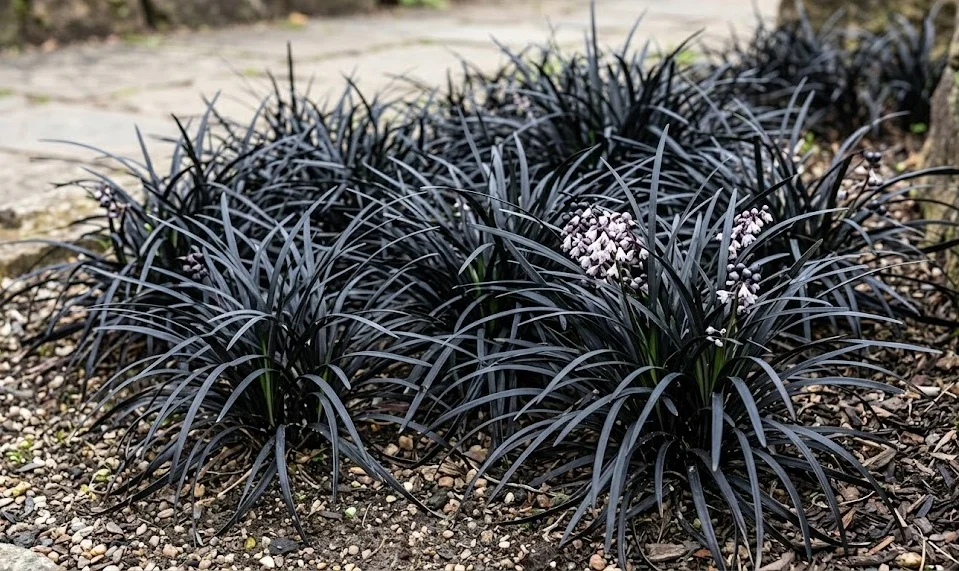

Proper hydration and nutrient management are the twin pillars of success when it comes to maintaining the dramatic beauty of black mondo grass. While this plant is often described as low-maintenance, its specific needs for moisture consistency and soil fertility are critical for maintaining its deep, saturated color. Understanding the relationship between water availability and nutrient uptake will allow you to grow specimens that are not only healthy but also resilient to environmental stressors. A professional approach to these two tasks ensures that your garden remains a vibrant showcase of this unique horticultural treasure.
The watering strategy for black mondo grass should focus on providing deep, infrequent soakings rather than frequent, shallow mists. This method encourages the roots to grow deeper into the soil profile, where they are better protected from surface temperature fluctuations and temporary dry spells. During the establishment phase, you must be particularly vigilant, as the young root systems are not yet capable of accessing deeper water reserves. Once established, the plant’s fleshy roots act as a moderate reservoir, allowing it to tolerate brief periods of neglect without immediate damage.
Soil moisture should ideally remain at a level that feels like a wrung-out sponge—damp to the touch but never dripping wet or waterlogged. Over-watering is one of the most common mistakes made by enthusiastic gardeners, often leading to anaerobic conditions that foster root-destroying fungi. You should always check the moisture level of the soil a few inches below the surface before deciding to add more water to the area. If the soil feels cool and moist at that depth, the plant likely has enough water to sustain its metabolic functions for another few days.
Fertilization serves as the supplemental fuel that supports the plant’s slow but steady growth and helps maintain the intensity of its dark pigments. Because black mondo grass is not a heavy feeder, a “less is more” approach is generally the most effective way to provide the necessary nutrients. Using high-quality organic fertilizers ensures that the minerals are released slowly over time, mimicking the natural nutrient cycling of a woodland floor. This steady supply of food prevents the growth of weak, elongated blades that are more prone to bending or breaking in the wind.
Understanding moisture levels
The texture of your garden soil plays a decisive role in how water moves through the root zone and how much remains available to the plant. Loamy soils with a high percentage of organic matter provide the ideal balance, holding enough water for the plant while allowing the rest to drain away. In contrast, heavy clay soils can hold water for too long, essentially drowning the roots if the irrigation schedule is not carefully managed. Sandy soils drain very quickly, meaning you may need to water more frequently to prevent the plants from drying out completely between sessions.
More articles on this topic
Observing the physical appearance of the foliage can give you important clues about the current hydration status of your black mondo grass clumps. When the plant is thirsty, the normally rigid blades may lose some of their arching grace and appear slightly limp or dull. In extreme cases of dehydration, the edges of the leaves might begin to curl inward as the plant tries to reduce the surface area exposed to the air. By catching these early signs of water stress, you can intervene before the tips of the leaves turn brown and become permanently damaged.
Seasonal changes in humidity and temperature mean that your watering routine must be flexible and responsive to the current weather conditions. During a humid, rainy spring, you may find that you don’t need to add any supplemental water for several weeks at a time. However, during a dry, windy autumn, the evaporation rate can skyrocket, necessitating a more proactive approach to irrigation to keep the root zone stable. Always be prepared to adjust your schedule based on the actual conditions in your garden rather than strictly following a calendar.
The time of day you choose to water can significantly impact the efficiency of the process and the overall health of the foliage. Watering in the early morning is widely considered the best practice because it allows the leaves to dry quickly as the sun rises, reducing the risk of fungal growth. It also ensures that the water reaches the roots before the heat of the day causes significant loss through evaporation from the soil surface. Evening watering should be avoided if possible, as lingering moisture on the blades throughout the night can invite slugs and other damp-loving pests.
Seasonal irrigation strategy
Spring marks the beginning of the most critical watering period as the plant emerges from dormancy and begins to produce new, tender foliage. This new growth is much more sensitive to water fluctuations than the older, tougher blades from previous years. You should aim for maximum consistency during this time to ensure that the new shoots can expand fully and reach their mature size without interruption. A steady supply of moisture now will set the stage for a healthy and vibrant display throughout the remainder of the growing season.
More articles on this topic
As the heat of summer arrives, the demand for water increases, but the risk of soil-borne diseases also rises due to the warmer temperatures. You may need to increase the volume of water applied during each session while keeping the frequency relatively stable to maintain deep root growth. Mulching becomes your best ally during these months, as it acts as a protective blanket that keeps the soil temperature lower and reduces evaporation. If you live in an area with restricted water usage, prioritizing your black mondo grass beds will help them survive the most intense heatwaves.
Autumn brings cooler temperatures and often more natural rainfall, allowing you to gradually scale back your supplemental irrigation efforts. This transition period is important for the plant to begin hardening off its tissues in preparation for the upcoming winter months. Reducing the water supply tells the plant that the active growing season is coming to an end and that it should focus on storing energy in its rhizomes. However, you should never allow the soil to become bone-dry before the first hard freeze, as hydrated roots are much better at resisting frost damage.
In the winter, most outdoor plants require very little attention to watering, especially in regions that receive regular snow or rain. However, if you experience a particularly dry winter with little precipitation and frequent drying winds, a monthly check of the soil moisture is still a good idea. Evergreens like black mondo grass continue to lose small amounts of water through their leaves even in the cold, a process known as transpiration. Providing a deep watering on a day when the ground is not frozen can prevent the plant from suffering from “winter burn” or total desiccation.
Essential nutrients for foliage
Nitrogen is the primary nutrient responsible for the lush growth of the blades, but it must be applied with caution to this specific cultivar. Too much nitrogen can cause the plant to grow too quickly, which often results in the leaves losing their dark color and becoming a paler shade of green. You want just enough to support steady development without compromising the aesthetic qualities that make the plant so desirable. Using a slow-release nitrogen source ensures that the plant is never overwhelmed by a sudden surge of growth-stimulating minerals.
Phosphorus and potassium are equally important for the long-term health of the root system and the plant’s overall structural integrity. Phosphorus helps with energy transfer within the plant and is essential for the development of the rhizomatous network that allows the grass to spread. Potassium acts as a general health tonic, improving the plant’s resistance to diseases, pests, and environmental stresses like cold or drought. A balanced fertilizer that includes these macro-nutrients in appropriate ratios will provide a comprehensive foundation for all aspects of the plant’s biology.
Micronutrients such as iron, magnesium, and manganese also play a subtle but vital role in the production of the dark pigments in the leaves. A deficiency in any of these trace elements can lead to chlorosis, where the leaves develop yellow patches despite having enough water and light. Many high-quality organic composts and seaweed-based fertilizers naturally contain these micronutrients in the small amounts the plant requires. If you suspect a deficiency, a soil test can provide definitive answers and help you choose the right supplemental product to correct the balance.
The pH of the soil directly affects the availability of these nutrients to the plant’s root system for absorption. Black mondo grass prefers a slightly acidic to neutral environment, typically between a pH of 5.5 and 7.0, where most nutrients are easily accessible. If the soil becomes too alkaline, certain elements like iron can become “locked up,” making them impossible for the plant to take in regardless of how much you add. Monitoring and maintaining the correct pH level is often just as important as the actual application of fertilizer itself.
Application methods and timing
The best time to apply solid fertilizers is in the early spring, just as the first signs of new growth appear at the base of the clumps. You should scatter the granules evenly across the surface of the soil, being careful to keep them away from the direct center of the foliage to prevent burn. After application, always water the area thoroughly to help dissolve the nutrients and carry them down into the root zone where they can be used. This single application is often enough to support the plant for the entire growing season if you are using a high-quality, slow-release product.
Liquid fertilizers offer a faster way to deliver nutrients and can be useful for providing a mid-season boost if the plants appear a bit tired. These products are usually diluted in water and applied directly to the soil or as a foliar spray that the leaves can absorb. When using liquid feeds, it is important to follow the manufacturer’s instructions exactly to avoid over-concentrating the solution and damaging the plant. This method is particularly effective for container-grown black mondo grass, where the limited soil volume means nutrients are depleted more quickly.
Top-dressing with a layer of high-quality compost or well-rotted manure is a professional technique that feeds the soil while also improving its structure. Every spring or autumn, you can spread a half-inch layer of this organic material around the plants, gently working it into the top layer of soil if possible. As the compost breaks down, it releases a steady stream of nutrients and encourages beneficial microbial activity in the root zone. This holistic approach to fertilization creates a self-sustaining system that reduces the need for synthetic inputs over the long term.
Consistency in your fertilization schedule is more important than the specific brand or type of product you choose to use in your garden. Rapid changes in nutrient availability can stress the plant and lead to inconsistent growth patterns or fluctuations in leaf color intensity. By sticking to a simple, annual routine, you allow the plant to adapt to its environment and develop a predictable rhythm of growth and rest. Keeping a basic garden journal can help you track when you last fed the plants and what the results were, allowing you to refine your approach over time.
Monitoring soil chemistry
Over time, the repeated application of fertilizers and the natural processes of the plant can cause the soil chemistry to shift in unexpected ways. It is a good practice to perform a professional soil test every three to four years to get an accurate picture of the nutrient levels and pH. This data allows you to make informed decisions about what your soil actually needs rather than guessing based on the appearance of the plants. Soil testing can also identify the buildup of harmful salts or other elements that might be hindering the growth of your black mondo grass.
If your soil test reveals a significant imbalance, you should take a gradual approach to correcting it rather than trying to fix it all at once. For example, if the soil is too acidic, you can add small amounts of lime over several seasons to slowly raise the pH to the desired level. If the soil is deficient in a specific micronutrient, look for a targeted supplement that can be applied in precise doses to address the problem. Slow, steady adjustments are always safer for the plants and the complex ecosystem of microbes living in the soil around them.
The organic matter content of the soil should also be monitored, as it serves as the primary buffer for maintaining chemical stability in the root zone. Soils high in organic matter are much more resistant to rapid changes in pH and are better at holding onto essential nutrients for the plant to use. If you notice that your soil is becoming hard, compacted, or “dead” looking, it is a sign that you need to increase your efforts to add compost and mulch. A healthy, living soil is the best defense against many of the common problems that can affect the health of black mondo grass.
Finally, always be mindful of the environmental impact of your watering and fertilization practices on the surrounding landscape and local water systems. Avoid over-applying fertilizers that can wash away into storm drains or contaminate nearby ponds and streams during heavy rainfall events. Using organic, slow-release products and targeted watering methods like drip irrigation helps to minimize waste and keeps the nutrients where they belong—in the garden bed. By being a responsible steward of your garden’s chemistry, you ensure a healthy environment for your plants and the wider world.