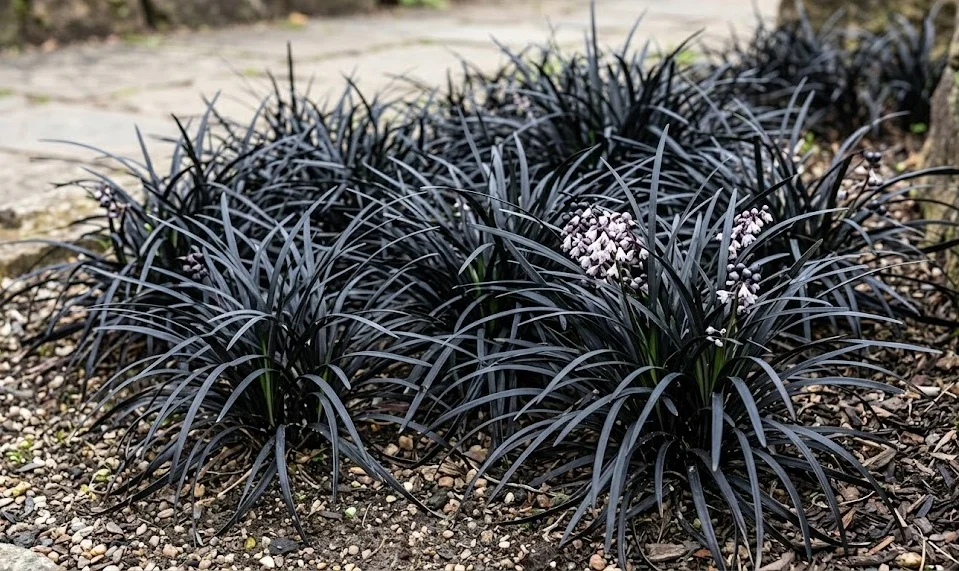

Preparing black mondo grass for the challenges of the winter season is a vital task for any gardener living in a temperate climate. While this plant is remarkably hardy and can withstand significant cold, the combination of freezing temperatures and drying winds can sometimes take a toll on its dark evergreen foliage. Taking proactive steps to insulate the root system and protect the blades ensures that the plant emerges in the spring with its beauty fully intact. A professional approach to overwintering involves understanding the plant’s physiological limits and providing the right level of support during its dormant period.
The primary goal of overwintering is to prevent the roots from freezing and thawing repeatedly, a process that can damage the delicate cellular structures and lead to plant loss. In its natural habitat, the plant is often protected by a layer of forest litter or snow, which acts as a stable insulating blanket against the harshest air temperatures. In a managed garden setting, you must replicate this protection using appropriate mulches and strategic site management to keep the soil temperature as consistent as possible. This extra layer of security is particularly important for young plants or those that were recently divided and have not yet established a deep root system.
Desiccation, or drying out, is often a bigger threat than the actual cold for evergreen perennials like black mondo grass during the winter months. Even when the ground is frozen, the leaves continue to lose moisture through transpiration, especially on bright, sunny days or during periods of high wind. If the roots cannot pull up water from the frozen soil to replace what is lost, the foliage will eventually turn brown and die back, a condition often called “winter burn.” Ensuring the plant is well-hydrated before the first hard freeze and providing wind protection are key strategies for avoiding this common winter problem.
For those growing black mondo grass in containers, the challenges are magnified because the roots are much more exposed to the ambient air temperature. A pot can freeze all the way through much faster than the open ground, putting the plant at a significantly higher risk of cold damage. You will need to employ specific techniques such as insulating the pots, moving them to sheltered locations, or even bringing them into unheated structures for the duration of the winter. With the right care, container-grown specimens can be just as successful and long-lived as those planted directly in the garden soil.
Cold hardiness and preparation
Understanding the specific hardiness zone of your region is the first step in determining how much winter protection your black mondo grass will require. This plant is generally rated for USDA zones 6 through 9, meaning it can typically survive temperatures down to zero degrees Fahrenheit without permanent damage. If you live in a colder region, you will need to be much more aggressive with your winter preparation, whereas those in milder climates may only need to perform basic maintenance. Knowing your local microclimate, including frost pockets or wind-prone areas, will help you tailor your approach to the specific needs of your garden.
More articles on this topic
Late autumn is the ideal time to perform a final inspection of your mondo grass clumps and clear away any debris that could harbor pests over the winter. Remove any fallen leaves from deciduous trees that have settled on top of the black blades, as these can trap too much moisture and lead to rot during wet winter weather. You should also take this opportunity to snip off any remaining flower stalks or damaged foliage to leave the plant looking clean and tidy. This final grooming not only improves the appearance of the winter garden but also reduces the risk of fungal issues during the dormant months.
One of the most important preparation steps is to ensure the soil has adequate moisture before the ground freezes solid for the season. If the autumn has been particularly dry, give the plants a deep, thorough watering in the weeks leading up to the first expected hard frost. Hydrated cells are much more resilient to freezing than those that are stressed by drought, making this a simple but highly effective way to improve cold tolerance. Once the ground is frozen, the plant will essentially be cut off from its water supply until the next thaw, so this “pre-loading” of moisture is critical.
Avoid applying any nitrogen-heavy fertilizers in the late summer or autumn, as this can stimulate a flush of new growth that won’t have time to harden off before the cold arrives. This tender new foliage is the first to be damaged by frost and can serve as an entry point for diseases that might weaken the entire plant. Instead, focus on providing a stable environment where the plant can naturally transition into its dormant state at its own pace. The goal of autumn care is to support the plant’s existing structures rather than encouraging the production of new ones that may not survive the winter.
Winter protection for garden beds
Applying a thick layer of organic mulch is the single most effective way to protect the roots of black mondo grass from the stresses of the winter season. You should aim for a depth of at least two to three inches of material, such as shredded bark, pine needles, or well-composted organic matter. This layer acts as an insulator, slowing the rate at which the soil cools down and preventing the rapid freeze-thaw cycles that lead to frost heave. Be sure to spread the mulch evenly across the entire root zone, extending slightly beyond the reach of the foliage for maximum effectiveness.
More articles on this topic
In particularly cold or wind-swept locations, you might consider providing an additional physical barrier to protect the foliage from desiccation. This can be as simple as placing a few evergreen boughs over the clumps or creating a small “tent” of burlap supported by stakes. These covers help to break the force of the wind and provide a small amount of extra warmth by trapping the heat rising from the ground. Avoid using plastic sheeting for this purpose, as it can trap too much moisture and cause the temperature to fluctuate wildly on sunny winter days.
Snow is actually a fantastic natural insulator and should be welcomed as a protective cover for your black mondo grass whenever it occurs. A thick blanket of snow keeps the temperature around the plants very close to the freezing mark, even when the air temperature above the snow is much lower. If you are clearing paths or driveways, you can even pile extra snow onto your mondo grass beds to provide an additional layer of free insulation. Just be careful not to use snow that has been treated with de-icing salts, as these chemicals are highly toxic to the plants and will damage the soil.
During periods of “winter thaw” when the temperatures rise above freezing for several days, it is a good idea to check the moisture levels in the soil. If the ground has melted and feels dry, a light watering can help replenish the plant’s internal reserves before the next cold snap arrives. These mid-winter breaks in the weather are also a good time to check for any signs of frost heave and gently firm any displaced plants back into the soil. Staying active and observant during the winter months allows you to catch and fix minor issues before they become major problems in the spring.
Management of container plants
Containers are much more vulnerable to the cold because the soil volume is limited and the sides of the pot are exposed to the freezing air. To protect black mondo grass in pots, you can wrap the containers in several layers of bubble wrap, burlap, or dedicated frost blankets to provide extra insulation. Grouping your pots together in a sheltered corner, such as against a south-facing wall or near the house, can also help to moderate the temperature through shared heat. These simple mechanical interventions can make the difference between a plant that survives the winter and one that perishes in the cold.
If you live in a region with extremely harsh winters, moving your container-grown mondo grass into an unheated garage or shed may be the safest option. This environment provides protection from the wind and the most extreme temperature dips while still allowing the plant to remain in its necessary dormant state. You won’t need to worry about light during this time, as the plant’s metabolic rate is so low that it doesn’t require active photosynthesis. However, you must check the soil moisture every few weeks and provide a small amount of water if it feels bone-dry to the touch.
Elevating your pots off the frozen ground using “pot feet” or bricks can help prevent the drainage holes from becoming blocked by ice. This ensures that any excess water from melting snow or rain can escape, preventing the roots from sitting in a cold, stagnant slush. Good drainage is just as important in the winter as it is in the summer, as waterlogged soil is much more likely to cause root rot during the dormant period. Keeping the pots slightly raised also allows for a small amount of air to circulate underneath, which can help regulate the temperature of the pot base.
As the spring approaches and the threat of hard freezes diminishes, you should gradually transition your container plants back to their normal growing positions. Start by removing the insulating wraps on a cloudy day to allow the plants to re-adjust to the ambient light and air movement. If a late spring frost is predicted after you have moved the pots, be prepared to provide temporary protection for any new growth that may have started to emerge. This careful “de-wintering” process ensures that your container specimens are ready to hit the ground running as the new growing season begins.
Post winter recovery care
Once the danger of heavy frost has passed in the spring, your first task is to perform a thorough “spring cleaning” of your black mondo grass beds. Gently pull back the thick layer of winter mulch to allow the soil to warm up more quickly and encourage new growth to emerge. You can use this time to remove any leaves that were killed or damaged by the winter cold, cutting them back to the base of the plant. This grooming session helps to refresh the appearance of the clump and provides more space for the fresh, new blades to grow.
The first few weeks of spring are also the ideal time to assess the overall health of the colony and identify any gaps where plants may have been lost. If you notice any dead spots, you can easily fill them in by dividing healthy clumps and transplanting the divisions into the empty spaces. This proactive approach to maintenance keeps the groundcover looking dense and uniform, preventing weeds from gaining a foothold in the bare patches. It is also a good opportunity to check the soil pH and nutrient levels to see if any amendments are needed for the upcoming season.
Applying a balanced, slow-release fertilizer just as the new growth starts to appear will provide the necessary energy for the plant to recover from the winter. Look for a product that includes micronutrients to support the production of the deep black pigments that make this plant so unique. Watering the fertilizer in thoroughly ensures that the nutrients reach the roots where they can be immediately absorbed and used for new tissue production. This early spring feeding is the single most important application of the year and sets the tone for the plant’s performance in the months ahead.
Be patient with your black mondo grass during the early spring, as it is often one of the last plants in the garden to show significant new growth. Because it is a cool-season evergreen, its most active period of expansion occurs when the temperatures are moderate and the soil is consistently moist. Don’t be alarmed if it takes a few weeks of warm weather before you see the first new black tips emerging from the center of the clumps. Once it does start growing, the plant will quickly regain its lush, dramatic appearance, rewarding your careful overwintering efforts with another year of stunning beauty.