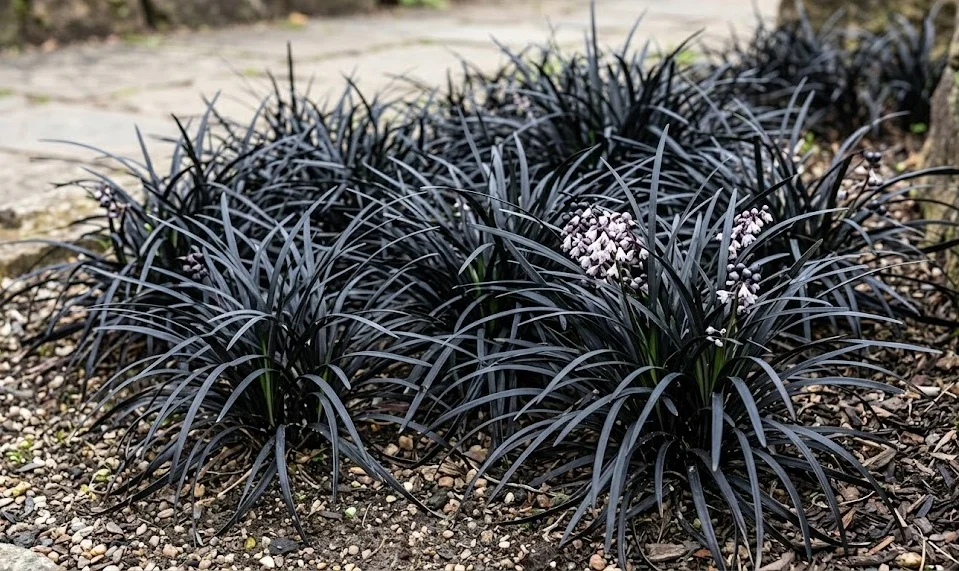

Understanding the specific light preferences of black mondo grass is essential for achieving the deepest possible foliage color and maintaining overall plant vigor. While this plant is often marketed as a shade-loving species, its relationship with sunlight is much more nuanced and depends heavily on your local climate. The unique dark pigments in the leaves are actually a biological response to light exposure, meaning that the right balance is required to keep them looking their best. A professional understanding of light dynamics will help you choose the perfect spot for this architectural plant in your landscape design.
In general, black mondo grass performs best in locations that offer filtered sunlight or “dappled shade,” such as under the canopy of large, well-spaced trees. This environment provides enough light for active photosynthesis and color production while protecting the foliage from the intensity of direct midday sun. In cooler climates, the plant can often tolerate more direct sunlight, which can actually help to intensify the black hues of the blades. However, in hotter regions, providing afternoon shade is a non-negotiable requirement to prevent the foliage from scorching or losing its characteristic sheen.
The term “shade” can be misleading in gardening, as there are many different levels of light intensity that fall under this broad category. “Light shade” or “partial shade” usually refers to an area that receives three to six hours of direct sun, which is often ideal for this particular Ophiopogon cultivar. “Deep shade,” on the other hand, refers to areas that receive very little direct or reflected light, such as the north side of a tall building or under a dense evergreen hedge. While the plant can survive in deep shade, its growth will be significantly slower, and the leaves may eventually take on a greener tint.
Observing how the light moves across your garden throughout the day and through the different seasons is a key part of successful plant placement. A spot that is in perfect shade in May might be in blistering full sun by July as the angle of the sun changes and the tree canopy develops. You should take the time to map out the light patterns in your garden before committing to a large-scale planting of black mondo grass. This careful planning ensures that each clump is positioned to receive the optimal amount of light for its specific biological needs throughout the entire year.
Optimal sunlight exposure
Morning sunlight is particularly beneficial for black mondo grass because it provides the light needed for growth when the air temperatures are still relatively cool. The gentle rays of the early sun help to dry the dew from the leaves, reducing the risk of fungal issues while stimulating the production of dark anthocyanins. By the time the sun reaches its peak intensity in the early afternoon, the plant should ideally be in the shade to avoid heat stress. This “morning sun, afternoon shade” pattern is considered the gold standard for cultivating the most vibrant and healthy specimens.
More articles on this topic
In regions with shorter growing seasons or cooler summers, you may find that your black mondo grass actually thrives in nearly full sun for most of the day. The lower intensity of the northern sun and the shorter duration of peak heat mean that the risk of foliage damage is significantly reduced. In these environments, the extra light helps the plant grow a bit faster and produces an incredibly dense, jet-black appearance that is hard to achieve in shadier spots. If you choose to plant in full sun, however, you must be extra diligent about maintaining consistent soil moisture to compensate for the higher evaporation rates.
The quality of the light is just as important as the quantity, with reflected light often playing a significant role in urban or small-town gardens. Light bouncing off a white-colored wall or a light stone patio can significantly increase the total light exposure of a nearby planting bed. While this can be helpful in shadier spots, it can also lead to unexpected heat buildup and leaf scorch if the reflected light is too intense. Being aware of these “secondary” light sources will help you avoid making placement mistakes that could stress your plants during the height of the summer.
Transitioning plants from a nursery environment to their permanent home in your garden requires a period of acclimation to the new light levels. Most plants grown in commercial greenhouses have been protected from the harshest UV rays and may be sensitive to direct sunlight at first. If you are moving a plant into a bright spot, it is a good idea to provide temporary shade for the first week or two to allow the leaves to toughen up. This gradual introduction to higher light levels prevents “transplant shock” and ensures a much smoother establishment phase for your new black mondo grass.
Impacts of deep shade
When black mondo grass is grown in conditions that are too dark, its primary response is to increase the amount of chlorophyll in its leaves to capture more light. This biological adaptation causes the normally black or deep purple foliage to gradually turn a more conventional shade of dark green. While the plant will still be healthy and continue to grow, it will lose the unique aesthetic qualities that make it such a sought-after variety. If you notice your plants turning green, it is a clear signal from the plant that it needs more light to produce its signature dark pigments.
More articles on this topic
Deep shade also has a significant impact on the plant’s growth rate, which is already notoriously slow even under ideal conditions. In very dark spots, the plant may struggle to produce enough energy to expand its rhizomatous network or to create new fans of leaves. Over several years, a clump in deep shade may appear to be “standing still,” neither growing nor dying, but simply existing in a state of suspended animation. Adding even a small amount of supplemental light, perhaps by thinning out nearby shrubs, can often be enough to kick-start the plant back into an active growth phase.
The lack of light in deep shade also means that the soil takes much longer to dry out after rain or irrigation, increasing the risk of root rot and other fungal problems. Without the sun to help evaporate excess moisture from the foliage and the soil surface, the area can become a breeding ground for pathogens. You must be much more careful with your watering routine in shady spots, always checking the soil moisture levels deep in the root zone before adding more. Maintaining excellent air circulation becomes even more critical in these lower-light environments to compensate for the lack of solar drying.
Despite these challenges, black mondo grass can still be used effectively in shadier parts of the garden if your expectations are adjusted accordingly. It can serve as a durable, low-light groundcover that provides a unique texture even if the color isn’t as intense as it would be in a brighter location. You can use it to fill in gaps under taller, shade-loving plants like Hostas or Japanese Forest Grass, where its dark tones provide a nice contrast to the lighter foliage. Just keep in mind that in deep shade, the plant will always be a slow and steady performer rather than a rapid spreader.
Managing sun exposure risks
Leaf scorch is the primary risk of over-exposure to direct sunlight, especially during the peak of summer when the UV index is at its highest. This damage appears as dry, brittle patches on the leaves that eventually turn a light tan or white color, contrasting sharply with the healthy black tissue. Once a leaf is scorched, it cannot heal itself, and the damaged portion must be pruned away to maintain the plant’s appearance. Protecting your plants from the midday sun is the most effective way to avoid this permanent aesthetic damage and the associated stress on the plant’s system.
Heat stress often goes hand-in-hand with high light exposure, causing the plant to wilt or go into a state of temporary dormancy to conserve water. During a heatwave, even a well-watered plant may struggle to keep its tissues hydrated if the intensity of the sun is too great. You may notice the blades losing their arching form and becoming somewhat flat or limp as the internal pressure of the cells drops. Providing temporary shade using umbrellas, shade cloth, or even large cardboard boxes during record-breaking temperatures can help your mondo grass survive without lasting harm.
Sunlight also affects the soil temperature, which in turn impacts the health of the rhizomes and the activity of beneficial soil microbes. In full sun, the top few inches of soil can become incredibly hot, potentially cooking the shallow roots of the black mondo grass if they aren’t protected. A thick layer of organic mulch is essential in brighter spots to act as a heat shield, keeping the root zone significantly cooler than the ambient air temperature. Using a light-colored mulch can also help reflect some of the heat away from the ground, further protecting the sensitive roots during the summer months.
If you discover that a mature planting of black mondo grass is receiving too much sun and is consistently struggling, you may need to take more permanent action. This could involve planting a taller shrub or a small tree nearby to provide natural shade, or moving the clumps to a more suitable location in the garden. While moving established plants is a big job, it is often better than watching them slowly decline in an environment that is simply too harsh for them. Professional gardeners are always ready to adapt their plans based on the actual performance of the plants in the specific microclimates of their landscape.