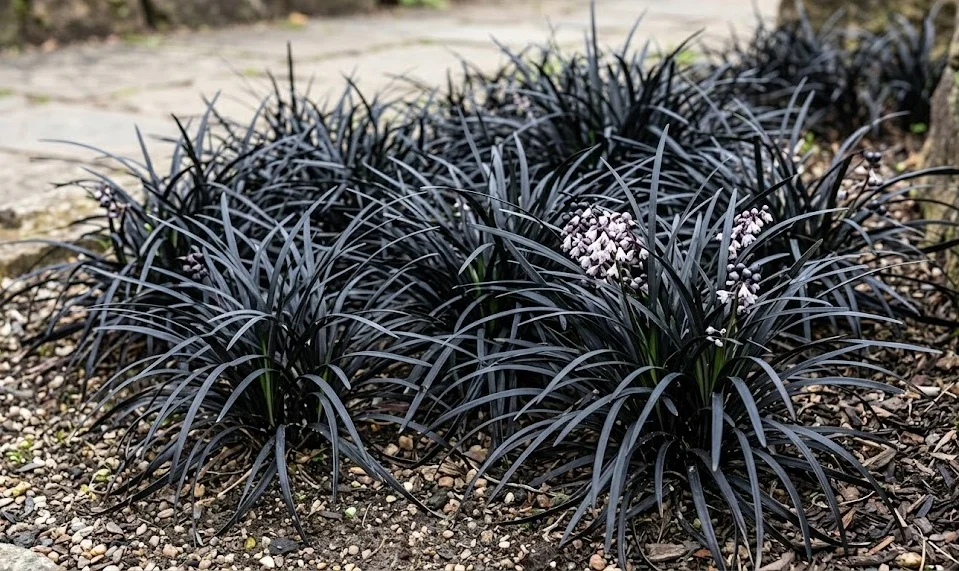

Maintaining the elegant and architectural form of black mondo grass requires a thoughtful and disciplined approach to pruning and general foliage management. Unlike many other ornamental grasses that are cut to the ground every spring, this evergreen perennial prefers a much more conservative and selective grooming routine. Because it grows so slowly, any aggressive or unnecessary cutting can leave the plant looking sparse and unattractive for several months or even years. A professional understanding of when and how to intervene will ensure that your plants always look their best and remain healthy throughout the seasons.
The primary goal of pruning black mondo grass is to remove dead, damaged, or unsightly foliage while preserving as much of the healthy green-black growth as possible. This process is more akin to “tidying up” than traditional pruning, requiring a fine touch and a good eye for detail. By selectively removing the older, tattered blades from the previous year, you make room for the new, vibrant growth to emerge from the center of the clump. This regular maintenance prevents the plant from becoming a tangled mess of old and new foliage, keeping the overall aesthetic sharp and clean.
Timing is a critical factor in the success of your pruning efforts, with the early spring being the most appropriate window for major grooming tasks. This is the period just before the plant enters its most active growth phase, allowing it to quickly hide any pruning cuts with a fresh flush of new blades. Pruning in the late autumn or winter is generally discouraged because the foliage provides important insulation for the crown against the cold. By waiting until the worst of the winter weather has passed, you ensure that the plant has the maximum protection when it needs it most.
While the plant is quite resilient, the tools and techniques you use for pruning can significantly impact the final result and the health of the plant. Using sharp, high-quality hand shears or dedicated garden scissors is essential for making clean cuts that heal quickly without tearing the delicate leaf tissues. Sterilizing your tools before and after each use is another professional habit that prevents the accidental spread of pathogens between different parts of your garden. Taking the time to do the job right with the proper equipment will always yield a superior and more professional-looking outcome.
Annual maintenance and cleaning
The most common pruning task for black mondo grass is the annual removal of winter-damaged or browning leaf tips that can appear after a particularly cold season. You should carefully inspect each clump and snip away the discolored portions, making your cuts at a slight angle to mimic the natural point of the leaf. This simple act of “tipping” the plants can instantly refresh the appearance of an entire garden bed, making it look much more vibrant and well-cared for. Be careful not to cut back into the healthy black tissue unless necessary, as the plant needs its leaves to produce energy for the upcoming spring growth.
More articles on this topic
As the new blades begin to emerge in the spring, you may notice that some of the older foliage from the previous year is starting to look dull, grey, or tattered. You can selectively remove these older leaves by cutting them as close to the base of the plant as possible without damaging the new shoots. This process helps to thin out the clump slightly, improving air circulation and allowing more light to reach the center of the plant. Removing the old “clutter” ensures that the deepest black color of the new foliage is the main focus of the display.
In mid-summer, after the small lilac flowers have faded, you may choose to remove the spent flower spikes to maintain a clean, foliage-focused look. While the dark berries that follow the flowers are attractive to some, they can also weigh down the blades and detract from the plant’s architectural form. If you decide to prune them, snip the stalks as low as possible to hide the cut ends within the dense canopy of the leaves. This redirection of energy can also help the plant focus more on its root and rhizome development for the remainder of the season.
Finally, keep an eye out for any “reversion” in the foliage, where a single fan of leaves may start to grow entirely green instead of the desired black color. These green shoots are often more vigorous than the black ones and can eventually take over the entire clump if they are not promptly removed. Dig down slightly with your fingers to find where the green shoot attaches to the rhizome and cut it out completely, ensuring you get the entire growing point. This selective “weeding” of the plant’s own growth is essential for maintaining the purity of the ‘Nigrescens’ cultivar over many years.
Rejuvenation through heavy pruning
If an old clump of black mondo grass has become excessively congested, messy, or full of dead material in the center, a more drastic rejuvenation pruning may be necessary. This involves cutting the entire plant back to within two or three inches of the ground in the very early spring, just as the first signs of life appear. This “hard reset” removes all of the old, problematic foliage and forces the plant to produce a completely new set of blades from the crown. While the plant will look quite bare for several weeks, it will eventually reward you with a much tidier and more uniform appearance.
More articles on this topic
Because black mondo grass is such a slow grower, you should only perform this heavy pruning once every five to seven years, or even less frequently if the plant is healthy. Cutting it back too often will weaken the plant and may eventually lead to its decline as it struggles to rebuild its energy reserves. Always ensure the plant is well-watered and given a light feeding of organic fertilizer after a hard prune to support the rapid production of new tissue. Rejuvenation pruning is a powerful tool, but it should be used sparingly and only when the plant truly needs a fresh start.
After a rejuvenation cut, it is more important than ever to protect the exposed crown from extreme environmental conditions like late frosts or intense early-season sun. A thin layer of light mulch or a temporary cover of evergreen boughs can provide the necessary protection while the new shoots are still tender and vulnerable. You should also be extra vigilant about weed control during this time, as the lack of a foliage canopy means the soil surface is fully exposed to sunlight. Once the new leaves reach about four inches in height, they will start to provide their own shade and protection for the crown.
Observe the density of the new growth as it emerges to see if the plant would also benefit from being divided after its hard prune. Sometimes, a congested plant remains congested even after the old leaves are removed because the underlying root system and rhizomes are too crowded. If the new growth appears stunted or uneven, wait until the following spring to dig up the clump and separate it into smaller, healthier divisions. This combination of rejuvenation pruning and division is the ultimate way to bring an old, tired planting of black mondo grass back to its full, dramatic glory.
Necessary tools and hygiene
The quality of your pruning shears is the single most important factor in ensuring clean, healthy cuts that don’t invite disease into your plants. You should invest in a pair of high-quality bypass pruners or specialized floral snips that are designed for precision work in tight spaces. Keep the blades sharp using a whetstone or a dedicated sharpening tool, as dull blades will crush the leaf tissues rather than slicing them. A clean, sharp cut heals quickly, allowing the plant to redirect its energy back into growth rather than repairing damaged cell walls.
Hygiene is a critical but often overlooked aspect of professional pruning, especially when dealing with expensive or slow-growing ornamental plants. You should wipe your pruning blades with a solution of 70% isopropyl alcohol or a 10% bleach solution before moving from one clump to the next. This simple step prevents the accidental transmission of soil-borne fungi, bacteria, or viruses that may be present on one plant but not another. Being a “clean” gardener is one of the best ways to ensure the long-term health and success of your entire landscape.
Proper disposal of the pruned material is also an important part of maintaining a healthy and disease-free garden environment. Never leave the old, cut leaves lying on top of the soil around the plants, as they can become a breeding ground for pests like slugs or harbor fungal spores. Instead, collect all of the trimmings and add them to your compost pile, provided they are not showing signs of active disease. If the foliage is diseased, it should be placed in the household waste or burned to ensure the pathogens are completely removed from your garden.
Finally, always wear a good pair of gardening gloves to protect your hands from the slightly abrasive edges of the blades and any skin irritations. While black mondo grass is not known to be particularly toxic or irritating, some people may find the sap or the dry dust from the mulch to be slightly annoying. Having the right protective gear allows you to focus on the task at hand and perform your pruning with the precision and care it requires. By following these professional standards for tools and hygiene, you ensure that your maintenance routine is a benefit to the garden rather than a risk.