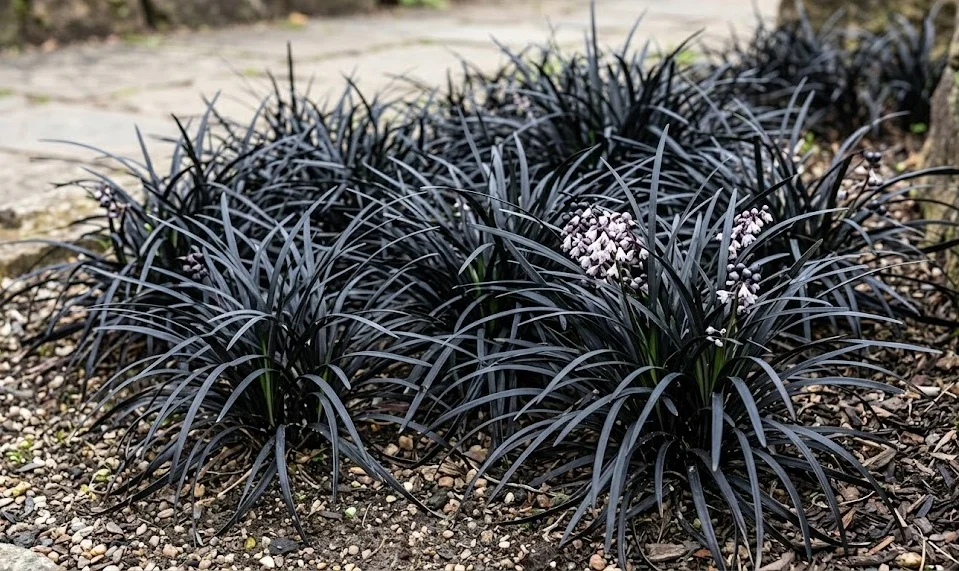

Maintaining the pristine look of black mondo grass requires a vigilant eye for the various pathogens and pests that can occasionally target this resilient perennial. While it is generally considered a trouble-free plant, its dense foliage and specific moisture requirements can sometimes create an environment where issues arise. Early detection is the most effective strategy for managing any health problems before they cause significant aesthetic or structural damage to your garden display. Understanding the common threats and their symptoms will empower you to protect your investment and keep your plants thriving for years to come.
Fungal diseases are the most frequent challenge gardeners face when cultivating Ophiopogon species, particularly in regions with high humidity or poor soil drainage. These pathogens often manifest as discolored spots on the leaves or a gradual yellowing of the entire clump from the base upward. Because the foliage is so dark, spotting these early signs can sometimes be difficult, making regular close-up inspections a necessary part of your maintenance routine. Addressing the underlying environmental causes, such as overcrowding or excessive moisture, is usually more effective than relying solely on chemical treatments.
Pests, while less common than on other garden plants, can still cause localized damage that detracts from the uniform beauty of a black mondo grass colony. Slugs and snails are the most notorious offenders, drawn to the cool, moist environment provided by the arching blades and the surrounding mulch layer. In some cases, soil-dwelling insects may also target the fleshy roots, leading to a mysterious decline in plant vigor that isn’t immediately obvious from looking at the leaves. Integrated pest management techniques, which combine biological, mechanical, and cultural controls, offer the best long-term solutions for keeping these intruders at bay.
Environmental stress is often mistaken for disease or pest damage, making accurate diagnosis a critical skill for any professional gardener. Factors like extreme temperature fluctuations, improper soil pH, or chemical drift from nearby lawn treatments can all produce symptoms that mimic biological attacks. Before you reach for a pesticide or fungicide, you should rule out these abiotic factors by reviewing your recent care history and checking the local weather patterns. A holistic view of the plant’s health will lead to more successful interventions and a more sustainable approach to garden management.
Identifying fungal issues
Leaf spot is one of the most common fungal problems that can affect the visual appeal of the dark blades, often appearing as small, circular lesions with lighter centers. These spots are caused by various fungal spores that thrive in wet conditions and can spread rapidly through splashing water during rain or irrigation. If left untreated, the spots can merge, leading to larger areas of necrotic tissue and eventual premature leaf drop. Removing the affected leaves and improving the air circulation around the plant are the first steps in controlling the spread of this particular pathogen.
More articles on this topic
Crown rot is a much more serious condition that can quickly lead to the death of an entire clump if the environmental conditions remain unfavorable. This disease is typically caused by soil-borne fungi that attack the plant at the soil line, especially when the crown is buried too deep or kept constantly wet. You might notice that the leaves at the center of the plant start to pull away easily or that the base of the plant appears mushy and discolored. Improving soil drainage and ensuring the plant is set at the correct depth are essential preventative measures that every gardener should follow.
Anthracnose is another fungal disease that occasionally appears on black mondo grass, characterized by elongated tan or brown lesions along the leaf margins. This pathogen often takes advantage of plants that are already stressed by drought or poor nutrition, making it a “disease of opportunity” in many landscapes. The lesions can cause the leaves to twist or distort as they grow, ruining the elegant, arching form that the plant is known for. Maintaining a consistent care routine that minimizes stress is the most effective way to prevent anthracnose from gaining a foothold in your garden beds.
Rust is a fungal issue that is relatively rare but can be quite striking when it does occur, appearing as small, orange or reddish pustules on the undersides of the leaves. These pustules release thousands of tiny spores that can be carried by the wind to neighboring plants, making it important to act quickly upon discovery. While rust rarely kills the plant, it significantly weakens the foliage and creates an unattractive appearance that is hard to ignore. Fungicides labeled for use on ornamental grasses can be effective if used early in the infection cycle and combined with good garden hygiene.
Dealing with soil borne diseases
Pythium and Phytophthora are two of the most destructive soil-borne pathogens that can cause rapid root decay in Ophiopogon and related species. These water molds thrive in saturated, poorly drained soils where they can swim through the pore spaces to find and infect healthy root tissues. The symptoms usually start with a general lack of vigor, followed by a rapid collapse of the foliage as the roots lose their ability to transport water and nutrients. Once these pathogens are established in the soil, they can persist for many years, making prevention through excellent drainage the only reliable control method.
More articles on this topic
Fusarium wilt is another soil-borne fungus that can cause systemic issues within the plant, blocking the vascular system and preventing the flow of essential fluids. Unlike some other diseases, Fusarium often affects only one side of a clump or a single division at first, causing a distinct asymmetrical yellowing or wilting. Because this fungus lives in the soil and enters through the roots, topical treatments are largely ineffective once the infection has become systemic. If a plant is confirmed to have Fusarium, it is often best to remove the entire clump and the surrounding soil to prevent it from spreading to healthy neighbors.
Soil solarization is an advanced technique that can be used to reduce the population of harmful soil-borne pathogens in heavily infested garden beds. This process involves covering the moist soil with clear plastic sheeting during the hottest months of the summer to trap heat and “pasteurize” the top layers. While this is a drastic measure that requires the removal of all plants from the area, it can be a highly effective way to reset a bed that has suffered from recurring disease problems. For smaller areas, simply replacing the old soil with fresh, sterile planting medium may be a more practical and immediate solution.
Beneficial microbes, such as Trichoderma or certain species of Bacillus, can be added to the soil to help suppress the activity of harmful pathogens through natural competition. These “probiotic” soil amendments work by colonizing the root zone and creating a protective barrier that makes it harder for disease-causing organisms to establish themselves. Many organic gardeners incorporate these products into their regular maintenance routine as a proactive way to build long-term soil health and plant resilience. Using these natural tools reduces the need for harsh chemicals and supports a more balanced and diverse ecosystem in the garden.
Controlling slug and snail infestations
Slugs and snails are the most persistent physical pests that you will likely encounter when growing black mondo grass in a traditional garden setting. They are primarily nocturnal and can cause significant damage overnight, leaving behind jagged edges on the leaves and unsightly slime trails. Because mondo grass grows low to the ground and is often mulched, it provides the perfect hiding spot for these mollusks during the dry daylight hours. Regular monitoring of the area, especially after rain or evening watering, will help you identify the size of the population you are dealing with.
Manual removal is a surprisingly effective and environmentally friendly way to manage small infestations of slugs and snails in a compact garden space. You can head out into the garden with a flashlight after dark or in the early morning to pick them off the plants and move them elsewhere. Creating “trap sites” using damp cardboard or boards placed on the ground can also make it easier to collect and remove these pests during the day. This hands-on approach allows you to stay in tune with the health of your garden without the need for potentially harmful chemical baits.
Organic slug pellets based on iron phosphate are a safe alternative to traditional metaldehyde baits, which can be toxic to pets, birds, and beneficial insects. These pellets work by causing the slugs to stop feeding and retreat to their hiding spots, where they eventually die out of sight. They are effective even in wet weather and break down into harmless soil nutrients over time, making them an ideal choice for the eco-conscious gardener. Always follow the application rates on the package and focus the pellets in the areas where you have seen the most activity or damage.
Creating physical barriers around your most prized plants can also provide an additional layer of protection against crawling pests like snails. Copper tape or mesh is often used because it reacts with the slug’s mucus to produce a mild electric shock, deterring them from crossing the line. Diatomaceous earth, a natural powder made from crushed fossilized algae, can also be spread around the base of the plants to create a sharp, drying barrier that mollusks find difficult to traverse. These mechanical controls work best when used in combination with other methods to create a comprehensive defense strategy.
Identifying environmental stress
Leaf scorch is a common symptom of environmental stress that can easily be confused with a fungal infection or a nutrient deficiency. It typically appears as dry, brown tissue at the tips or along the edges of the blades, often following a period of intense heat or strong, drying winds. This occurs when the plant loses water through its leaves faster than the roots can replenish it, causing the most distant tissues to dry out and die. Providing temporary shade during extreme weather and ensuring the soil remains consistently moist can help prevent scorch from occurring in the first place.
Chemical injury, often caused by the drift of lawn herbicides or the over-application of fertilizers, can manifest as strange twisting, spotting, or sudden death of the foliage. Many common weed killers used on grass lawns are highly toxic to Ophiopogon species, which are often planted as borders directly adjacent to turf areas. If you suspect chemical damage, thoroughly flush the soil with water to help dilute the offending substance and avoid applying any further treatments until the plant shows signs of recovery. Being extremely careful when applying any chemicals near your ornamental beds is the best way to avoid this preventable stress.
Soil pH stress can cause a gradual decline in health that makes the plant more susceptible to both pests and diseases over time. If the soil is too alkaline, the plant may suffer from iron chlorosis, where the dark color fades and the leaves become weak and brittle. Conversely, extremely acidic soil can sometimes lead to toxic levels of certain minerals like aluminum, which can damage the root tips and stunt overall growth. Regularly testing and adjusting the soil pH ensures that the plant remains in its “comfort zone,” where its natural defenses are at their strongest.
Frost heave is a physical stress that occurs in regions with frequent freeze-thaw cycles during the winter months, potentially exposing the roots to the air. As the water in the soil freezes and expands, it can physically push the shallow-rooted clumps upward, leaving them vulnerable to desiccation and extreme cold. If you notice plants that appear to be “sitting high” in the spring, gently firm them back into the ground and add a fresh layer of mulch to protect the roots. This simple act of physical maintenance can prevent the loss of established plants during a particularly harsh or unpredictable winter season.
Preventative healthcare measures
Maintaining excellent garden hygiene is the single most important thing you can do to prevent the onset and spread of diseases in your black mondo grass. Always use clean, sterilized tools when pruning or dividing your plants to avoid transferring pathogens from one area of the garden to another. Removing fallen leaves from other nearby plants that may be harboring fungal spores will also help keep the air and soil around your mondo grass cleaner. A tidy garden is not just about aesthetics; it is a fundamental part of a proactive plant health management strategy.
Proper spacing during the initial planting phase is a long-term preventative measure that pays dividends as the clumps mature and expand. By allowing enough room for air to flow freely between the individual plants, you create a less hospitable environment for moisture-loving fungi and pests. While it might be tempting to plant them closely for immediate impact, giving each clump its own “breathing room” will lead to a healthier and more resilient colony in the long run. If your plants eventually become too crowded, be prepared to divide and thin them out to restore proper air circulation.
Quarantining new plants before introducing them to your established garden beds can prevent the accidental introduction of pests or diseases. When you bring home a new black mondo grass from a nursery, keep it in its pot in a separate area for a week or two to see if any issues develop. Inspect the foliage and the root system carefully for any signs of trouble, such as hidden slug eggs or suspicious leaf spots. This small extra step can save you from a major headache later on by ensuring that only healthy specimens enter your permanent landscape.
Building soil health through the regular addition of organic matter is the foundation of a resilient and self-protecting garden ecosystem. Healthy soil is home to a vast array of beneficial organisms that help to naturally suppress pathogens and break down organic waste. By focusing on feeding the soil rather than just the plant, you create a robust environment where the black mondo grass can thrive despite occasional challenges. A strong, well-nourished plant is always its own best defense, capable of recovering quickly from minor setbacks that might kill a weaker specimen.