
Pruning and cutting back wood anemones is a task that requires more restraint than active labor, as the plant’s natural life cycle dictates much of its maintenance. Unlike many garden perennials that require frequent trimming to stay tidy, the wood anemone is best left to its own devices for most of the year. However, a professional approach to timing and technique is essential to ensure you are supporting the plant’s health rather than hindering it. Knowing when to step in and when to stay back is the hallmark of an expert woodland gardener.
The most important rule when it comes to wood anemones is to never cut back the foliage while it is still green and healthy. After the flowers have faded in the spring, the leaves continue to work hard, photosynthesizing and storing energy in the underground rhizomes. This energy reserve is what will fuel next year’s flowers and the overall expansion of the colony. If you remove the leaves too early, you are essentially starving the plant and weakening its ability to survive the summer dormancy and winter cold.
You should wait until the foliage has turned completely yellow or brown and has begun to collapse naturally before considering any cleanup. In most climates, this happens in late June or July, depending on the weather and the amount of shade the plants receive. At this stage, the plant has finished moving its nutrients back into the rhizome, and the leaves are no longer useful to its biological processes. Removing this dead material can help to tidy up the garden and reduce the hiding spots for certain pests like slugs.
When you do decide to cut back the dead foliage, you should use a light and gentle touch to avoid disturbing the soil. Because the rhizomes are shallow and the new buds for next year are already forming, any rough handling can cause physical damage. Many professional gardeners prefer to simply “tuck” the decaying leaves under a fresh layer of mulch rather than removing them entirely. This allows the nutrients in the leaves to return to the soil naturally, further enriching the environment for the anemones.
Managing post-flowering aesthetics
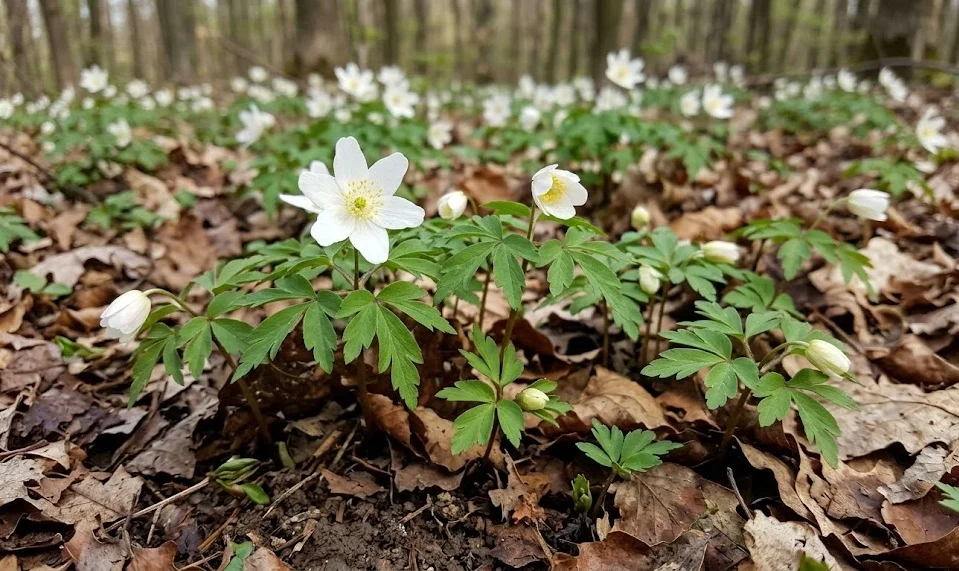
Once the beautiful white blossoms of the wood anemone have finished their display, the area can sometimes look a bit unkempt as the seed heads develop. If you are not planning to collect seeds for propagation, you can gently remove the faded flower stalks to maintain a neater appearance. This “deadheading” does not significantly impact the plant’s health, but it can prevent the plant from putting energy into seed production. You should use small, sharp snips to make clean cuts at the base of the flower stem, being careful not to nick the surrounding leaves.
More articles on this topic
As the foliage begins its inevitable yellowing in early summer, you may be tempted to hide the declining plants under other vegetation. This is a perfectly acceptable aesthetic strategy, provided you do not physically damage the anemones in the process. You can use large-leaved companion plants like Hostas or hardy Geraniums that will naturally expand to cover the space left by the retreating anemones. This “masking” technique allows you to enjoy a beautiful garden without the need for premature or aggressive cutting back.
If you are dealing with a very large colony that has become particularly messy after a wet spring, you might consider a very light “grooming” rather than a full cutback. This involves removing only the most diseased or damaged leaves while leaving the majority of the foliage intact. This selective approach maintains the plant’s ability to photosynthesize while improving the overall look of the garden. Always use sterilized tools for this task to prevent the accidental spread of any fungal pathogens between plants.
Finally, remember that the “messiness” of the retreating wood anemone is a natural and vital part of the woodland aesthetic. In a truly professional woodland garden, these cycles of growth and decay are celebrated as signs of a healthy and functioning ecosystem. By allowing the plant to complete its life cycle naturally, you are respecting its biology and ensuring its long-term success. A little bit of patience during the early summer transition will be rewarded with a more robust and beautiful colony the following year.
Tools and safety for pruning
When you do reach for your tools to maintain your wood anemones, the quality and cleanliness of those tools are of paramount importance. You should use fine-tipped snips or small floral scissors that allow for precise work in tight spaces between the delicate stems. Large garden shears or loppers are far too clumsy for this task and can easily cause collateral damage to the plants or the soil surface. Keeping your tools sharp ensures clean cuts that heal quickly and minimize the stress on the plant’s tissues.
More articles on this topic
Sterilizing your pruning tools between uses is a professional habit that prevents the spread of diseases such as anemone rust or botrytis. You can use a simple solution of rubbing alcohol or a specialized garden disinfectant to wipe down the blades. This is especially important if you have recently worked on other plants that showed signs of illness. A few seconds of cleaning can save you a great deal of trouble by keeping your wood anemone colonies healthy and disease-free.
Safety for the gardener is also a consideration, even when working with such small and delicate plants. While wood anemones are not as thorny as roses, their sap can be mildly irritating to some people’s skin, especially in concentrated amounts. You should consider wearing light gardening gloves and long sleeves when performing more extensive cleanup or division tasks. This simple precaution ensures that your gardening experience remains pleasant and free from any unexpected skin reactions.
After you have finished pruning or cutting back, you should always take a moment to inspect the area and ensure that no rhizomes have been accidentally exposed. If you see any bare ground, cover it immediately with a light dusting of soil or a fresh layer of mulch. This “finishing touch” protects the sensitive underground parts of the plant from the drying effects of the air. Your professional attention to detail at every stage of the process is what will set your garden apart and ensure its lasting beauty.
Dormancy and soil protection
The period of dormancy that follows the cutting back of the foliage is a time of quiet activity beneath the soil surface. While there is nothing to prune above ground, your “maintenance” shift towards protecting the soil and the hidden rhizomes. You should avoid any heavy digging or tilling in the area, as this can slice through the rhizomes and destroy years of growth. Marking the boundaries of the anemone patch with stones or small stakes is a professional way to prevent accidental disturbance during this time.
Applying a fresh layer of mulch immediately after the final cleanup is a key step in the annual maintenance cycle. This mulch replaces the protective cover that was provided by the living foliage and helps to keep the soil temperature stable throughout the summer. It also suppresses the growth of weeds that might otherwise take advantage of the newly opened space. You should choose a mulch that mimics the forest floor, such as shredded leaves or composted bark, to provide a natural and attractive finish.
Monitoring the moisture levels under the mulch during the dormancy period is another subtle but important task. While you should not over-water, ensuring that the ground does not become bone-dry will help keep the dormant rhizomes healthy. If you notice cracks forming in the soil or the mulch becoming extremely dry, a light misting can be very beneficial. This proactive care prevents the “invisible” plants from suffering during the long months when they are out of sight.
By the time autumn arrives, you will be glad you followed a professional routine of careful pruning and soil protection. The healthy rhizomes will be well-rested and fully charged with the energy they need to burst into life as soon as the winter chill begins to fade. Your commitment to a restrained and knowledgeable maintenance program is the best investment you can make in the future of your wood anemones. Following these expert guidelines ensures that your garden remains a thriving and beautiful sanctuary for years to come.