
Asparagus is a unique perennial that rewards the patient gardener with a bountiful harvest for twenty years or more. Unlike annual crops, it requires a dedicated space and a deep understanding of its multi-year growth cycle. Establishing a healthy bed is the most critical step in ensuring the long-term success of your planting. This process begins with careful soil preparation and choosing the right site for permanent residency.
Most growers find that a mixture of organic matter and well-draining soil creates the perfect environment for root expansion. You should focus on building up the nutrient profile of the earth before any crowns are placed in the ground. Asparagus roots are heavy feeders and will deplete the surrounding area if not properly managed from the start. A professional approach involves testing the soil pH to ensure it falls within the ideal range for this specific crop.
Weed control is perhaps the most persistent challenge when managing a mature asparagus patch throughout the growing season. Since the plants remain in the same spot for years, invasive grasses can easily take over the root zone. You must stay vigilant and remove any competing vegetation by hand to avoid damaging the delicate shallow roots. Using a thick layer of mulch can significantly reduce the amount of labor required to keep the bed clean.
Understanding the life cycle of the plant is essential for determining when to harvest and when to let the ferns grow. In the early years, you must resist the urge to pick too many spears so the plant can establish itself. This restraint allows the crowns to store energy for the subsequent winters and future spring growth. A healthy balance between harvesting and regeneration is the hallmark of a successful asparagus gardener.
Maintaining soil health over time
Feeding the soil becomes a routine task that ensures the vitality of the crowns year after year. Organic compost applied in the early spring provides a slow-release source of nutrients as the ground warms up. You should also consider a secondary application of fertilizer once the harvest season has concluded for the year. This replenishment is vital because the plant is entering its peak phase of energy production.
More articles on this topic
Soil compaction can hinder the growth of new spears and reduce the overall yield of the bed. It is important to avoid walking directly on the planting rows to keep the earth light and airy. If the soil becomes too dense, the roots may struggle to access the oxygen and water they need to thrive. Using dedicated paths between the rows is a professional technique that protects the integrity of the root system.
Drainage remains a top priority throughout the lifespan of the asparagus plants to prevent crown rot. Water should never sit on the surface of the bed for extended periods after a heavy rain. If you notice standing water, it might be necessary to adjust the grading or add more organic material to improve porosity. Healthy roots require a specific balance of moisture and air to maintain their vigorous growth.
Monitoring the pH level every few years allows you to make precise adjustments to the soil chemistry. Asparagus prefers a slightly alkaline to neutral environment, which helps in the absorption of essential minerals. If the soil becomes too acidic, the health of the crowns will begin to decline noticeably over time. Adding lime in small, controlled amounts can help maintain the perfect conditions for a productive harvest.
Effective weed management strategies
Mulching is the most effective way to keep weeds at bay while also preserving precious moisture in the soil. Organic materials like straw, wood chips, or shredded leaves work perfectly for this specific application in the garden. You should apply a layer that is at least three inches thick to create an effective barrier against sun-seeking seeds. This layer will also break down over time, adding valuable organic matter back into the earth.
More articles on this topic
Early spring is the best time to clear any perennial weeds that may have survived the winter months. You want to start the growing season with a clean slate before the first spears begin to emerge. Digging deeply around the crowns should be avoided to prevent accidental injury to the main root mass. Persistence in the early weeks will save you hours of work during the heat of the summer.
Salt was once used as a traditional weed killer in asparagus beds, but this practice is no longer recommended by experts. Modern gardeners understand that salt can damage the soil structure and harm beneficial microbial life over time. Instead, focusing on physical barriers and manual removal provides a much healthier environment for the plants. Professional growers prioritize the long-term health of the ecosystem over quick and damaging fixes.
Keeping the edges of the asparagus bed clearly defined helps prevent lawn grasses from creeping into the growing area. A physical border made of stone, wood, or plastic can serve as an effective deterrent for runners. If grass does manage to enter the bed, it should be removed immediately before the roots become intertwined with the asparagus. A clean border reflects a professional level of care and attention to detail.
Seasonal mulching for protection
Mulching in the autumn provides a protective blanket that shields the dormant crowns from extreme temperature fluctuations. This layer helps to regulate the ground temperature and prevents the cycle of freezing and thawing that can heave roots. You should apply this winter mulch only after the ground has begun to cool significantly in the late fall. Using clean, weed-free straw is an excellent choice for this particular seasonal task.
As the spring sun begins to warm the earth, the mulch should be gradually thinned out to allow the soil to heat up. This careful management encourages earlier spear emergence and a more productive start to the harvesting season. You can move the excess mulch to the pathways to keep them mud-free while you work in the garden. This transition phase is a critical moment for the development of the first tender spears.
Summer mulching focuses more on moisture retention than temperature control as the heat of the day increases. During periods of drought, a thick layer of mulch can be the difference between a thriving plant and a stressed one. It keeps the root zone cool and reduces the need for frequent irrigation during the peak growing months. Professional gardeners always keep an eye on the depth of their mulch throughout the summer.
The choice of mulching material can influence the nutrient balance and the presence of certain insects in the garden. Some growers prefer using composted manure because it adds a significant boost of nitrogen as it breaks down. Others might choose wood shavings for their durability and excellent weed-suppression qualities over a long period. Regardless of the material, consistency in application is the key to maintaining a healthy and productive bed.
Monitoring growth stages and health
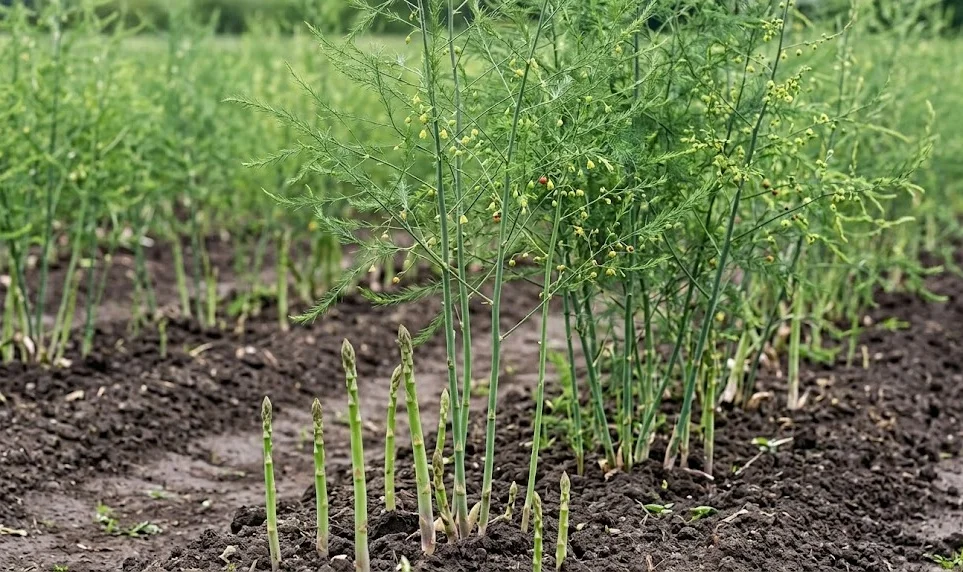
Observing the color and thickness of the emerging spears can tell you a lot about the health of the plant. Healthy crowns produce thick, vibrant spears that show no signs of wilting or discoloration in the early spring. If you notice thin, spindly growth, it may be a sign that the plant is stressed or lacks sufficient nutrients. Regular inspections allow you to catch potential issues before they become serious threats to the bed.
The transition from spear to fern is a fascinating biological process that signals the end of the harvest. Once you stop cutting, the spears will grow tall and branch out into delicate, feathery foliage. These ferns are responsible for capturing sunlight and converting it into energy through the process of photosynthesis. This energy is then stored in the crowns to fuel the growth for the following year.
Keeping the ferns healthy throughout the summer is just as important as the care provided during the spring harvest. You should look for signs of yellowing or pest damage that could reduce the efficiency of energy production. A lush, green canopy of ferns indicates that the plant is successfully building up its reserves for the winter. Avoid cutting back the foliage until it has completely turned brown and died back naturally.
Documentation of your harvest yields and any issues encountered can help you improve your care routine in the future. Professional gardeners often keep a journal to track the performance of different varieties and the impact of weather patterns. This data provides valuable insights into when to fertilize or when to expect the first signs of growth. Understanding the unique rhythm of your specific garden is a hallmark of expert care.
Ensuring the longevity of the bed
An asparagus bed is a long-term investment that can stay productive for decades if managed with a professional touch. The key to this longevity is avoiding over-harvesting, especially during the first five years of the plant’s life. By allowing the plant to reach full maturity, you are ensuring a robust root system that can withstand challenges. Patience is perhaps the most valuable tool in the kit of a successful asparagus grower.
Dividing old crowns is a technique sometimes used to rejuvenate a bed that has started to show signs of decline. This process involves carefully lifting the massive root systems and separating them into smaller, more vigorous sections. While this is a labor-intensive task, it can breathe new life into an aging patch of asparagus. Many experts recommend this every fifteen to twenty years to maintain a high level of productivity.
Protecting the crowns from physical damage during the dormant season is essential for maintaining a healthy stand. You should avoid any heavy machinery or excessive foot traffic over the bed when the ground is frozen or wet. The crowns are the heart of the plant and any injury to them can lead to disease or reduced yields. A well-protected bed will remain a reliable source of fresh vegetables for many years to come.
Introducing new varieties to an existing bed can help maintain diversity and potentially increase the overall harvest window. Some modern hybrids are bred for higher yields or better resistance to common diseases found in the soil. You can gradually replace older, less productive plants with these improved versions to keep the bed in peak condition. This strategic planning ensures that your gardening efforts continue to pay off for the long haul.
Harvesting techniques for plant health
The way you harvest your asparagus has a direct impact on the future health and productivity of the plant. It is best to use a sharp knife or to simply snap the spears off at ground level during the spring. This method prevents damage to the emerging spears that are still hidden just beneath the surface of the soil. Consistency in your harvesting technique will lead to a more uniform and manageable crop every season.
Knowing when to stop harvesting is a critical decision that every gardener must make each year. A general rule is to end the harvest season once the diameter of the emerging spears becomes thinner than a pencil. This signals that the plant’s energy reserves are beginning to run low and it needs to grow ferns. Continuing to harvest beyond this point can weaken the crowns and reduce next year’s yield significantly.
Morning is the ideal time to harvest your spears when they are at their most crisp and flavorful state. The lower temperatures help to maintain the moisture content and slow down the degradation of the sugars in the plant. You should place the harvested spears in a cool environment as soon as possible to preserve their professional quality. Proper post-harvest handling is just as important as the growing process itself for the final result.
Cleaning the bed after the final harvest of the season helps to prepare the plants for their summer growth phase. You should remove any small, discarded spears that might attract pests or encourage the spread of disease in the patch. This final tidy-up ensures that the ferns have a clear space to grow without any unnecessary competition or obstacles. A professional finish to the harvest season sets the stage for a healthy and vibrant summer canopy.