
Pruning and cutting back are essential maintenance tasks that help to regulate the growth cycle and health of your professional asparagus bed. While it may seem counterintuitive to cut down the lush greenery of the summer ferns, this process is critical for preventing disease and preparing for the next harvest. Knowing exactly when and how to perform these cuts is the hallmark of an experienced and professional gardener who understands the plant’s biology. Proper pruning ensures that the energy remains concentrated in the crowns where it is needed for future growth and spear production.
The primary pruning event occurs in the late autumn or early winter after the ferns have completely died back and turned a brittle, golden brown. At this point, the plant has finished moving all of its valuable nutrients and sugars down into the root system for the dormant season. Cutting the stems down to the ground level removes the old growth and clears the way for the new spears to emerge unhindered in the spring. A professional cleanup at this time is also a vital part of your integrated pest and disease management strategy for the entire garden.
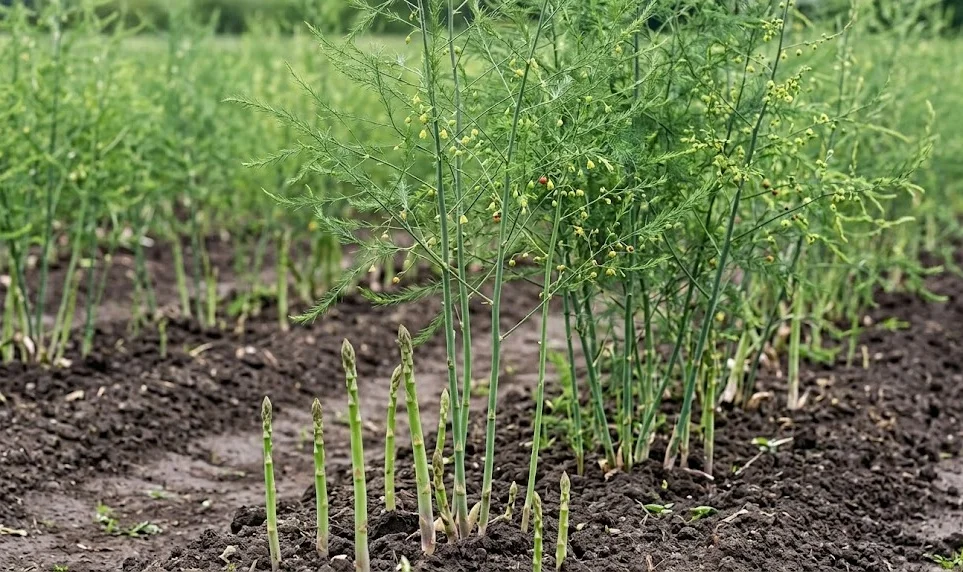
During the summer, you should generally avoid any major pruning of the green ferns, as every branch is working to capture sunlight and feed the crowns. However, if you notice individual stems that are heavily diseased or damaged by pests, it is professional practice to remove them immediately to protect the rest of the plant. These selective cuts should be made carefully with sharp tools to avoid tearing the delicate tissue or harming the main crown below the surface. Maintaining a healthy and vibrant canopy of ferns is your top priority during the peak of the growing season.
The timing of the final cut-back can vary depending on your local climate and the specific weather patterns of the year you are gardening in. In colder regions, you might wait until after the first few hard frosts have ensured that the plant is fully dormant before you begin your cleanup. In milder areas, the ferns may stay green longer, requiring a bit more patience before you can safely remove the old growth without affecting the plant’s reserves. A professional gardener watches the plant’s natural signals and adjusts their schedule to match the unique needs of their specific location.
Timing the fern removal
Removing the ferns too early in the autumn is one of the most common mistakes made by amateur gardeners, and it can significantly weaken the asparagus crowns. If the foliage is still green or even yellow-green, it is still performing photosynthesis and contributing to the plant’s energy storage for the winter. You must wait until the ferns are completely brown and dry, indicating that the plant has officially entered its dormant phase for the year. This professional level of restraint is what allows the bed to remain productive and vigorous for twenty years or more without decline.
More articles on this topic
Some growers choose to leave the dead ferns in place throughout the winter to help trap snow and provide an extra layer of natural insulation for the crowns. If you follow this method, the cutting back will take place in the very early spring before the first spears begin to poke through the soil surface. This can be an effective strategy in very cold, dry climates where protecting the ground from freezing winds is a top priority for the gardener. A professional approach involves weighing the benefits of winter protection against the potential risk of providing a habitat for overwintering pests and diseases.
If you decide to wait until spring for the cleanup, you must be extremely careful not to damage the tips of the emerging spears with your tools. The new growth can be very close to the old stems, making it a delicate operation to remove the dead wood without causing injury to the fresh harvest. Many professional gardeners prefer the fall cleanup because it allows them to see the ground clearly and prepare the bed with mulch and compost before the spring rush begins. Consistency in your timing will help you develop a smooth and efficient routine for managing your productive asparagus patch every season.
Regardless of whether you cut back in the fall or the spring, the method remains the same: use sharp, clean bypass pruners to cut the stems as close to the ground as possible. Avoid pulling on the stems, as this can disturb the crown or even pull it out of the loose soil, especially in a newly established bed. A professional cut is clean and decisive, leaving a tidy surface that is ready for the next phase of the plant’s life cycle. This attention to detail in the physical act of pruning is what separates an expert gardener from a casual hobbyist in the world of asparagus care.
Summer foliage management
Managing the foliage during the summer months is mostly a matter of support and monitoring rather than active pruning or cutting. The tall, feathery ferns can sometimes become quite heavy and may lean or fall over during heavy rains or strong winds in the garden. You can use stakes and twine to provide a simple support system that keeps the ferns upright and ensures they receive the maximum amount of sunlight. A professional and tidy appearance in the summer bed is not just about looks; it is also about the health and efficiency of the plants’ energy production.
More articles on this topic
If the ferns become too dense and crowded, you may notice a decrease in airflow, which can lead to increased humidity and the spread of fungal spores. While you should not thin out the ferns for the sake of it, you can prune away any lower branches that are touching the ground and showing signs of decay. This minor maintenance task helps to keep the base of the plants dry and reduces the entry points for soil-borne pathogens to infect the main stems. A professional gardener is always looking for small ways to improve the environment and health of their long-term perennial crops.
Flowering and berry production on female plants can take a significant amount of energy away from the crowns if left unmanaged in the garden. Some professionals prefer to grow only male hybrids, which do not produce seeds, so all the energy is directed into spear production instead. If you have female plants, you can selectively prune away the berries before they ripen to redirect that energy back down into the root system for the following year. This level of detailed management is a hallmark of a professional who is dedicated to getting the highest possible yield from their asparagus bed.
Finalizing your pruning and cutting routine is an ongoing process of observation and adjustment based on the performance of your plants and the challenges of each season. By following these professional guidelines, you ensure that your asparagus bed remains a healthy and productive centerpiece of your garden for many years to come. Success comes from understanding the natural rhythms of the plant and working with them to support its growth through every stage of the annual cycle. With the right care and the proper tools, pruning becomes a simple and rewarding part of your professional gardening journey with this amazing perennial vegetable.