
Proper overwintering is a crucial part of the annual cycle that ensures your asparagus bed remains productive for many years to come. As the temperatures drop and the days grow shorter, the plants begin to move their energy from the ferns down into the massive root systems stored in the crowns. Your role as a gardener during this phase is to protect those crowns from extreme cold and prepare the bed for its dormant period. A professional approach to winter care sets the stage for a vigorous and early emergence of spears when spring finally arrives.
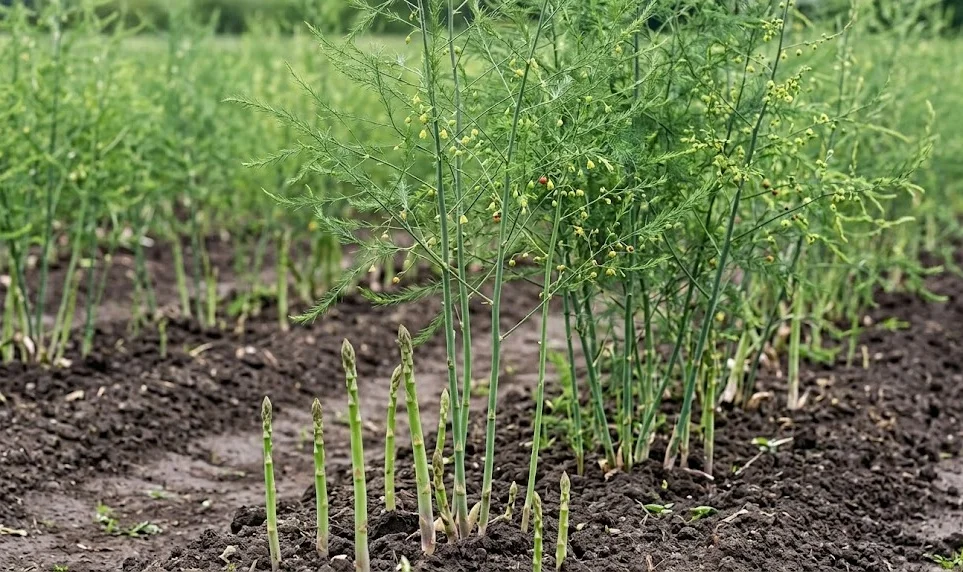
The first step in the overwintering process begins long before the first frost, as you monitor the health and color of the summer ferns. You must resist the urge to cut back the foliage while it is still green, as the plant is still actively storing nutrients for the following season. Wait until the ferns have completely turned yellow or brown and have died back naturally after several hard frosts have occurred. This patience ensures that the crowns are fully charged with the energy they need to survive the long winter months ahead.
Once the foliage is dead, you should cut the ferns back to about two inches above the soil line using a sharp pair of garden shears. This removal is essential for reducing the habitat available for overwintering pests and disease spores that could plague your bed next year. It also makes it much easier to apply a protective layer of mulch and see the first signs of growth in the early spring. A professional cleanup of the bed in the late autumn is a sign of a well-managed and disciplined gardening routine.
Disposing of the old ferns away from the asparagus bed is a key sanitation practice that every professional gardener should follow closely. Do not add these remains to your regular compost pile, as they may harbor pathogens like asparagus rust or the eggs of the asparagus beetle. Burning the debris or putting it in the trash is the safest way to ensure that you are not accidentally re-introducing problems into your garden next year. Cleanliness during the fall transition is the best insurance policy for a healthy start to the new growing season.
Protective mulching methods
Mulching is the primary defense against the harsh conditions of winter that can damage or even kill the crowns of your asparagus plants. A thick layer of organic material acts as an insulator, keeping the ground temperature more stable and preventing the soil from heaving. Soil heaving occurs during cycles of freezing and thawing, which can push the crowns out of the ground and expose the roots to the air. Using a professional mulching strategy will keep your plants safely tucked away until the warmth of spring returns to the garden.
More articles on this topic
Straw is one of the most popular and effective materials for winter mulching because it provides excellent insulation while still allowing for some air circulation. You should apply a layer that is at least four to six inches deep across the entire surface of the asparagus bed for maximum protection. Make sure to use clean, weed-free straw to avoid introducing a new set of challenges to your garden in the following year. A professional-looking blanket of straw also gives the garden a tidy and cared-for appearance during the dormant winter months.
Shredded leaves are another excellent and readily available option for overwintering your asparagus bed if you have deciduous trees in your yard. You should shred the leaves first to prevent them from matting together and creating an airtight barrier that could lead to rot in the crowns. When used correctly, these leaves will break down over time and add valuable organic matter and nutrients back into the soil. A professional gardener knows how to turn the natural waste of autumn into a valuable resource for their perennial crops.
In regions with very mild winters, a lighter layer of mulch may be sufficient to protect the bed from occasional cold snaps and moisture loss. However, you should still provide some cover to suppress winter weeds and maintain the overall health of the soil biology during the dormancy. The goal is always to create a stable environment that supports the biological needs of the asparagus crowns throughout the entire off-season. Monitoring the condition of your mulch throughout the winter is a hallmark of a professional and attentive gardener who cares for their plants year-round.
Root protection in cold climates
In areas with extreme winter temperatures, the depth of the planting and the quality of the mulch are the two most important factors for root survival. If your crowns were planted too shallowly, they are much more susceptible to freezing damage that can reduce their productivity or kill the plant entirely. You can add extra soil or compost to the surface of the bed in late fall to provide an additional layer of protection for the crowns. A professional understands that the deep root system of the asparagus is its most valuable asset and must be protected at all costs.
More articles on this topic
Snow is actually an incredible natural insulator that can provide significant protection for your asparagus bed during the coldest parts of the year. If you live in a snowy climate, you should avoid clearing the snow off your garden beds to allow this natural blanket to do its work. The air trapped within the snow helps to maintain a consistent temperature at the soil surface, shielding the roots from the bitter winds. A professional gardener works with the local weather patterns to maximize the protection for their perennial vegetables throughout the winter season.
For gardeners in wind-swept areas, a physical windbreak or a snow fence can help to prevent the mulch from blowing away and the soil from drying out. Cold, dry winter winds can be just as damaging as freezing temperatures because they can desiccate the crowns and cause them to shrink. You should ensure that your protective layers are secured and that the bed remains covered even during the strongest winter storms. This attention to detail in cold-climate management is a key part of professional asparagus care and ensures a successful harvest every year.
Checking the moisture level of the soil during long periods without snow or rain is a task that professional gardeners often perform even in the winter. If the ground is not frozen and the soil is bone-dry, a light watering can help to keep the roots hydrated and healthy during their dormant period. Dry roots are much more vulnerable to the cold than those that have a baseline level of moisture within the surrounding soil. A professional touch involves monitoring these subtle environmental factors to provide the best possible care for the plants regardless of the season.
Spring emergence preparation
As the first signs of spring begin to appear, your focus will shift from protecting the dormant crowns to preparing the bed for the new harvest. You should keep a close eye on the soil temperature, as asparagus spears will begin to push through the surface once the ground reaches about fifty degrees. Gradually thinning the winter mulch will allow the sun to warm the earth more quickly and encourage an earlier emergence of the crop. A professional transition from winter care to spring production is a critical moment in the annual cycle of the garden.
Cleaning up any remaining debris or weeds that have appeared under the mulch will ensure that the new spears have a clear and unobstructed path to the surface. You want to avoid any physical barriers that could cause the spears to bend or become damaged as they grow. This is also a good time to apply a light layer of fresh compost to provide the nutrients needed for the rapid growth of the harvest season. A professional gardener prepares the stage for a high-quality and uniform crop of asparagus through careful and timely spring maintenance.
If a late spring frost is predicted after the first spears have emerged, you must be ready to provide temporary protection to prevent them from freezing. A light covering of straw or a breathable garden fabric can shield the tender tips from the cold and save your first harvest from damage. You should remove this protection as soon as the temperatures rise again during the day to avoid overheating the emerging plants. This level of vigilance in the early spring is what ensures a successful and productive start to the asparagus harvesting season.
Documenting the date of the first emergence and the overall health of the crowns after the winter will help you plan for future years. This information provides a baseline for understanding how your specific bed responds to different winter conditions and your management techniques. A professional approach to gardening involves constant learning and the use of data to improve the results of your labor over time. With the right overwintering care, your asparagus bed will continue to provide fresh, delicious spears for many seasons of enjoyment and professional pride.