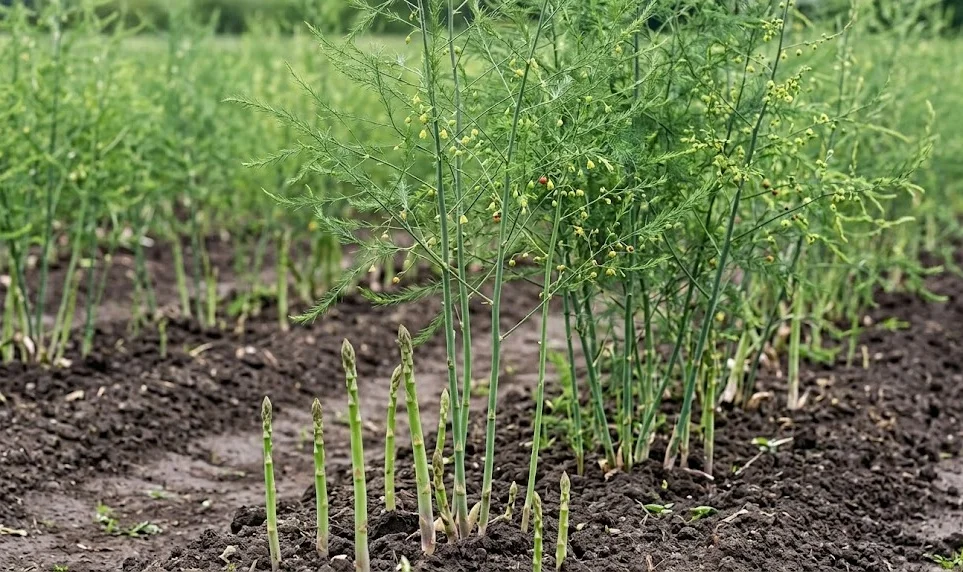

Protecting your asparagus from diseases and pests is a constant challenge that requires a proactive and professional management strategy. Because asparagus is a perennial crop, pathogens and insects can establish themselves in the bed and return year after year to cause damage. Early detection and an understanding of the life cycles of these threats are the most effective tools for any serious gardener. By implementing integrated pest management techniques, you can maintain a healthy and productive patch without relying solely on harsh chemicals.
Fungal pathogens like Fusarium wilt and crown rot are among the most serious threats to the long-term survival of an asparagus bed. These diseases often start in the soil and can lead to a gradual decline in plant vigor and the eventual death of the crowns. You should look for symptoms such as yellowing ferns, wilting spears, or reddish-brown lesions at the base of the stems. Professional growers prioritize site selection and drainage to create an environment where these fungal issues are less likely to take hold.
Asparagus rust is another common fungal disease that appears as orange or reddish pustules on the ferns during the humid summer months. If left untreated, rust can severely weaken the plant by reducing its ability to perform photosynthesis and store energy for the winter. Selecting rust-resistant varieties is the first line of defense for any professional gardener establishing a new bed in their area. Proper spacing and airflow between the plants also help to reduce the humidity levels that encourage fungal spores to germinate.
Cleaning up the dead foliage in the late fall is a critical step in reducing the overwintering population of many fungal spores and pests. You should remove all the old ferns from the garden and either burn them or dispose of them far away from your growing area. Leaving the debris on the ground provides a perfect habitat for diseases to survive the winter and re-infect the new spears in the spring. A professional level of sanitation in the garden is essential for maintaining a healthy and disease-free asparagus patch.
Asparagus beetles management
The asparagus beetle is perhaps the most recognizable and persistent pest that gardeners will encounter during the spring harvest season. These colorful insects feed on the tender spears, causing them to become scarred and sometimes bent into a characteristic shepherd’s crook shape. They also lay small, dark eggs that stick to the spears, making them unappealing for the table and potentially spreading the infestation. A professional approach involves daily scouting and manual removal of the beetles and their eggs as soon as they appear in the garden.
More articles on this topic
Managing the beetle population requires an understanding of their two distinct life stages: the adults and the larvae that feed on the ferns later in the summer. While the adults damage the crop you want to eat, the larvae can defoliate the ferns and weaken the entire plant’s energy reserves. You can use neem oil or insecticidal soaps as an organic way to control the larvae without harming beneficial insects like bees. Professional growers often encourage natural predators like ladybugs and birds to help keep the beetle population under a manageable threshold.
In severe cases, a targeted application of an approved insecticide may be necessary to save the ferns and protect the health of the crowns. You should always follow the label instructions carefully and time the application to have the least impact on the environment and non-target species. Rotating different types of controls can help to prevent the beetles from developing resistance to any one specific treatment over time. A professional gardener uses chemicals only as a last resort within a broader and more sustainable pest management framework.
Leaving a few “trap plants” at the edge of the bed can sometimes lure the beetles away from the main crop and make them easier to manage. These sacrificial plants can be treated more aggressively or used as a central location for manual collection of the adult insects during the spring. This strategic use of the beetles’ natural behavior is a clever way to reduce the overall pressure on your primary asparagus production area. Professional pest management is often about working with the ecology of the garden rather than trying to completely eliminate every single insect.
Rust prevention strategies
Preventing asparagus rust is largely a matter of managing the moisture levels and airflow within the canopy of the mature ferns. You should avoid overhead watering, as wet foliage provides the perfect breeding ground for the rust spores to multiply and spread quickly. Instead, use drip irrigation to keep the water at the soil level where it belongs for the health of the root system. A professional layout with adequate spacing between the rows is the foundation of a successful rust prevention plan in any climate.
More articles on this topic
If you notice the first signs of rust on a few branches, you should prune them out immediately and remove them from the garden. This early intervention can slow down the spread of the disease and protect the majority of the foliage from becoming infected during the season. It is important to disinfect your pruning tools with alcohol between cuts to avoid accidentally spreading the spores to healthy parts of the plant. Professional attention to detail in these small tasks can prevent a minor issue from becoming a major disaster for your bed.
Sulfur-based fungicides are an effective organic option for controlling rust if the disease becomes established in your asparagus patch during a wet summer. These products should be applied at the first sign of infection and repeated according to the manufacturer’s recommendations to be truly effective. Always aim for thorough coverage of the foliage, as the spores can hide on the undersides of the delicate leaves and branches. Professional growers monitor the weather forecasts and apply protective sprays before long periods of rain to stay ahead of the disease cycle.
Selecting modern, high-yielding hybrids that have been specifically bred for rust resistance is the best long-term strategy for any gardener. These varieties have been developed through professional breeding programs to withstand high disease pressure without the need for constant chemical intervention. While no variety is completely immune, these resistant types will often remain productive even in years when rust is widespread in the local area. Investing in quality genetics is a hallmark of a professional and forward-thinking approach to asparagus cultivation.
Aphids and viral threats
Aphids are small, sap-sucking insects that can occasionally become a problem in the lush ferns of an asparagus bed during the summer months. While a few aphids are usually not a major threat, large populations can weaken the plants and cause the foliage to become distorted or yellowed. They also produce a sticky substance called honeydew, which can encourage the growth of sooty mold on the branches of the ferns. A professional gardener keeps an eye out for these pests and uses a strong stream of water to knock them off the plants.
The most serious concern with aphids is their ability to act as vectors for various plant viruses that can permanently stunt or kill your asparagus crowns. Once a virus is introduced into the root system, there is often no cure, and the affected plants must be removed and destroyed to protect the rest of the bed. This is why managing aphid populations is more than just a matter of aesthetics; it is a critical part of your plant health strategy. Professional growers prioritize the health of the entire ecosystem to keep these viral threats at a safe distance from their valuable crops.
Encouraging beneficial insects like lacewings and hoverflies into your garden provides a natural and effective way to control aphids without using pesticides. You can plant flowering herbs and native flowers near your asparagus bed to provide food and habitat for these helpful predators throughout the season. This biodiversity creates a self-regulating system where pests are kept in check by their natural enemies in a professional and sustainable way. A healthy garden is one where the gardener works in partnership with nature to maintain the balance of the ecosystem.
If you suspect a viral infection, look for symptoms such as mottled leaves, stunted growth, or unusually thin spears that do not improve with fertilization. In such cases, it is often best to consult with a local agricultural extension office or a professional plant pathologist to confirm the diagnosis. Early identification allows you to take decisive action and prevent the virus from spreading through your entire planting or to neighboring gardens. Professionalism in the garden means being willing to make tough decisions for the greater health of your productive and long-lasting asparagus bed.
Integrated pest management
Integrated Pest Management, or IPM, is a professional and holistic approach that combines multiple strategies to keep pests and diseases under control. This method starts with cultural practices like proper site selection, crop rotation, and maintaining high soil fertility to grow strong, resilient plants. By focusing on the health of the plant first, you reduce the likelihood that pests will be able to cause significant damage to your crop. IPM is the standard for modern professional agriculture and is highly effective for managing long-term perennial beds like asparagus.
Regular scouting and monitoring are the core components of a successful IPM program in any garden or commercial farm setting. You should walk through your asparagus patch at least twice a week to look for early signs of beetle activity, fungal spots, or nutritional deficiencies. Catching a problem in its earliest stages allows you to use the least invasive control methods possible, such as hand-picking or spot treatments. A professional gardener is an observant gardener who understands the subtle changes that occur in their plants throughout the growing season.
Using biological controls, such as beneficial nematodes or bacteria, can target specific pests while leaving the rest of the garden’s inhabitants unharmed. For example, certain types of nematodes can be applied to the soil to attack the overwintering larvae of the asparagus beetle before they emerge. This professional use of biological technology provides a powerful tool for managing pests in a way that is safe for the environment and for the people eating the crop. Always ensure that you are using the correct species of beneficial organism for the specific pest you are trying to control.
Evaluating the success of your management strategies at the end of every season helps you to refine your approach for the following year. Keep records of which pests were most prevalent, which treatments worked best, and the overall yield and health of your asparagus plants. This data-driven approach allows you to make professional adjustments to your care routine and stay one step ahead of the challenges in your garden. Continuous learning and adaptation are the keys to maintaining a thriving and productive asparagus bed for many decades of enjoyment.