
Maintaining the red cestrum in a home garden requires a blend of attentiveness and understanding of its subtropical origins. This striking ornamental shrub is known for its arching branches and dense clusters of tubular crimson flowers that can brighten any landscape. To ensure the plant thrives, a gardener must balance its need for moisture with proper drainage and adequate nutrition. Successful cultivation results in a vigorous specimen that serves as a focal point throughout the growing season.
Introduction to the species
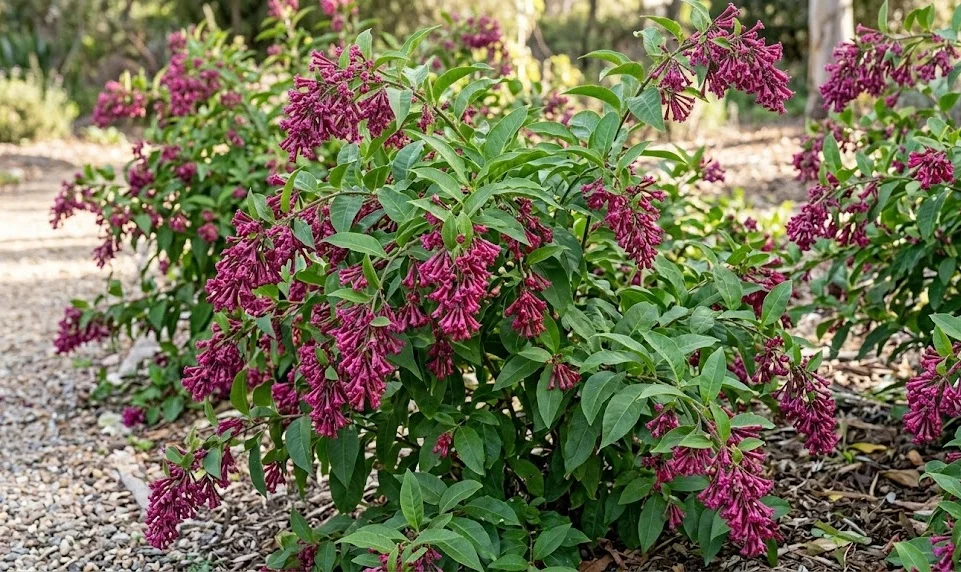
The red cestrum is a fast-growing evergreen shrub that brings a tropical flair to temperate gardens. Its primary appeal lies in the long-lasting blooms that attract various pollinators, including hummingbirds and butterflies. While it is relatively hardy, it does require specific care to reach its full aesthetic potential. Understanding the basic biology of the plant is the first step toward successful long-term maintenance.
The growth habit of this shrub is naturally sprawling, which means it requires a certain amount of space to develop. Left to its own devices, it can become quite leggy, so consistent care is needed to keep it compact and attractive. The dark green foliage provides a beautiful contrast to the bright red flowers, making it a standout in any border. Gardeners should be aware that the plant is part of the nightshade family and carries certain toxic properties.
In regions with mild winters, the shrub can remain evergreen and provide structure to the garden all year round. In cooler climates, it might behave more like a deciduous plant or even a die-back perennial. Regardless of the climate, the core maintenance tasks remain consistent throughout the year. Providing the right environment will minimize the work required to keep the plant healthy and vibrant.
Safety is an important consideration when caring for this particular species in a residential setting. All parts of the plant are considered toxic if ingested, so it should be placed away from areas where children or pets play. Wearing gloves during maintenance is often recommended to avoid skin irritation from the sap. By choosing the right location, you can enjoy its beauty while maintaining a safe environment for everyone.
More articles on this topic
Soil and substrate preferences
The foundation of a healthy red cestrum lies in the quality and composition of the soil it inhabits. It prefers a rich, loamy medium that is high in organic matter to support its rapid growth. While it can tolerate various soil types, extremely sandy or heavy clay soils should be amended before planting. Ensuring the right texture allows the root system to expand without facing unnecessary resistance.
Drainage is perhaps the most critical factor when discussing the soil requirements for this shrub. If the roots sit in water for extended periods, they are highly susceptible to rot and fungal issues. Incorporating perlite or fine gravel into the planting hole can significantly improve the movement of water. A well-draining soil ensures that the roots receive oxygen while still staying hydrated.
The pH level of the soil should ideally be slightly acidic to neutral for optimal nutrient uptake. If the soil is too alkaline, the plant may suffer from chlorosis, where the leaves turn yellow due to iron deficiency. Regular testing of the soil can help gardeners make informed decisions about necessary amendments like peat moss or sulfur. Maintaining the correct chemical balance is essential for the production of those iconic red blooms.
Mulching is a highly effective way to maintain soil quality and moisture levels around the base of the plant. A thick layer of organic mulch, such as bark chips or compost, helps regulate soil temperature throughout the seasons. It also breaks down over time, slowly adding nutrients back into the earth. This practice reduces the frequency of watering and helps suppress competing weeds.
More articles on this topic
Environmental conditions
Creating the right microclimate is essential for the long-term health of the red cestrum in your garden. This shrub thrives in areas that mimic its native habitat, which is characterized by warmth and moderate humidity. It is sensitive to extreme temperature fluctuations, so a stable environment is always preferred. Protecting the plant from harsh winds will prevent physical damage to the delicate branches and flowers.
Humidity plays a significant role in the foliage quality and overall vigor of the shrub. In very dry environments, the leaf edges may turn brown or the plant may become more susceptible to spider mites. Occasional misting or placing the plant near water features can help maintain the necessary moisture in the air. High humidity combined with good airflow is the ideal combination for preventing most common issues.
Temperature management is vital, especially as the seasons change and the weather becomes unpredictable. The plant is most comfortable when temperatures remain above freezing, although established specimens can handle brief cold snaps. During heatwaves, providing extra shade and water can help the plant cope with thermal stress. Monitoring local weather forecasts allows gardeners to take preemptive action to protect their shrubs.
Urban environments can present unique challenges, such as reflected heat from walls or pavements. While the red cestrum is resilient, excessive radiant heat can scorch the leaves and cause the flowers to drop prematurely. Strategic placement near other plants can create a more balanced environment through transpiration. Understanding these environmental nuances will lead to a much more successful gardening experience.
Structural support and space
Given its vigorous and arching growth habit, the red cestrum often requires some form of physical support. Without assistance, the heavy clusters of flowers can cause the branches to sag or even break during heavy rain. Installing a sturdy trellis or using garden stakes can help guide the plant into a more upright and manageable form. This support also allows for better air circulation throughout the center of the shrub.
Spacing is another critical aspect of care that is often overlooked by novice gardeners. Because it grows so quickly, planting it too close to other large shrubs can lead to overcrowding and competition for resources. Providing at least three to four feet of clearance on all sides will allow the plant to reach its natural size. Proper spacing also makes routine maintenance tasks like pruning and watering much easier to perform.
Training the plant early in its life cycle will result in a much stronger and more aesthetically pleasing structure. By selecting primary branches and removing weak or competing shoots, you can define the overall shape of the shrub. This early intervention reduces the need for heavy, corrective pruning later on. A well-structured plant is better able to withstand environmental pressures and heavy blooming periods.
Container growth is a viable option for those with limited space or colder climates. When grown in a pot, the plant requires a heavy base to prevent it from tipping over in the wind. Choose a container that is large enough to accommodate the root ball with room for future growth. Potted specimens will generally require more frequent attention to stability and structural integrity than those in the ground.
Routine monitoring
Regular observation is the best way to catch potential problems before they become serious threats to the plant’s health. Taking a few minutes each week to inspect the underside of leaves and the tips of new growth can reveal early signs of pests. Checking the soil moisture manually by feeling the top few inches helps ensure the watering schedule is accurate. Small adjustments made frequently are much better than major interventions made late.
The appearance of the foliage is a direct reflection of the plant’s internal health and nutrient status. Vibrant, dark green leaves indicate that the shrub is receiving the right amount of light and minerals. Any signs of spotting, wilting, or discoloration should be investigated immediately to determine the underlying cause. Keeping a simple gardening journal can help track these changes over the course of the year.
Flower production is another key indicator of whether the care routine is working effectively. If the plant is growing plenty of leaves but no flowers, it may be receiving too much nitrogen or not enough light. Conversely, a sudden drop in flower buds often points to environmental stress or inconsistent watering. Observing these cycles allows you to fine-tune your fertilization and care strategies.
The general cleanliness of the area around the shrub contributes significantly to its overall wellbeing. Removing fallen leaves and spent flowers prevents the buildup of organic debris that can harbor pests and pathogens. This practice also improves the visual appeal of the garden and makes it easier to spot any unusual activity. A tidy garden is often a healthy garden, and the red cestrum is no exception to this rule.
Managing seasonal transitions
As the seasons change, the needs of the red cestrum shift to accommodate different growth phases. In the spring, the focus should be on encouraging new growth through pruning and initial feeding. This is the time when the plant is most active and responsive to care interventions. Preparing the plant during this period sets the stage for a spectacular display of flowers in the coming months.
Summer care is primarily focused on maintaining hydration and protecting the plant from extreme heat. The high metabolism of the shrub during this peak growing period means it will consume resources rapidly. Gardeners should be prepared to increase watering frequency and monitor for heat-related stress. Providing some afternoon shade can be a lifesaver during the hottest weeks of July and August.
Autumn is the time to start slowing down the growth of the plant in preparation for cooler weather. Gradually reducing fertilizer applications will prevent the production of tender new shoots that could be damaged by frost. This is also a good time to perform a light cleanup and remove any dead or diseased wood. Transitioning the plant slowly helps it build the necessary resilience for the dormant period.
Winter requirements vary significantly depending on whether the plant is kept outdoors or moved inside. For those in warmer zones, winter care involves minimal watering and protection from occasional cold winds. In colder regions, the plant may need to be cut back and moved to a protected location or greenhouse. Understanding your local climate is essential for navigating these seasonal transitions successfully.
Safety and handling
Handling the red cestrum requires a certain level of caution due to its chemical properties. All parts of the shrub, including the berries that may form after flowering, contain alkaloids that are harmful if consumed. It is always wise to educate family members and guests about the plant’s toxicity to prevent accidental ingestion. Proper labeling in a garden can also serve as a helpful reminder for visitors.
When performing maintenance tasks like pruning or repotting, skin protection is highly recommended. Some individuals may experience a mild rash or itching when they come into contact with the plant’s sap. Using long sleeves and durable garden gloves provides a simple and effective barrier against irritation. Washing your hands and tools after working with the shrub is a good hygiene practice.
The placement of the plant within the landscape can also be a safety-driven decision. Avoid planting it directly next to walkways where the arching branches might brush against people passing by. Keeping the plant at a distance ensures that its beauty can be appreciated without constant physical contact. This thoughtful planning makes the garden a safer place for everyone to enjoy.
Proper disposal of plant debris is the final step in a safe handling routine. Never burn the wood or leaves of the red cestrum, as the smoke can contain irritants that are harmful to breathe. Instead, dispose of clippings in a green waste bin or a dedicated compost pile that is inaccessible to pets. Following these safety protocols ensures that the red cestrum remains a welcome addition to your outdoor space.