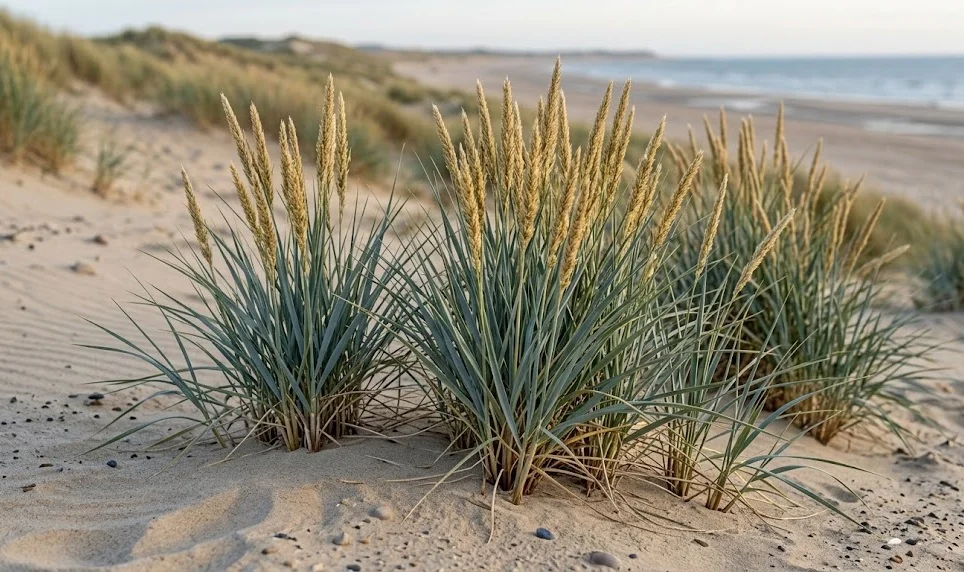

Pruning is a vital professional task that maintains the vigor and aesthetic appeal of blue lyme grass while preventing it from becoming a messy tangle of old and new growth. Because this grass is a perennial that goes dormant in the winter, a structured annual cut-back is necessary to make room for the upcoming season’s foliage. As a professional, you must approach pruning with both timing and technique in mind to ensure the plant remains a stunning focal point rather than a maintenance burden. Proper pruning not only improves the look of the plant but also encourages a denser and more resilient root system.
The primary pruning event for this species occurs once a year, typically in the late winter or very early spring before the new growth begins. You should aim to remove all of the previous year’s dead foliage, cutting the entire clump back to within a few inches of the ground. This process removes the brown, weathered leaves that can harbor pests and diseases through the winter months. A professional knows that this “hard prune” is the best way to ensure the new blue blades have a clean, unobstructed path to emerge and thrive.
Wait until you see the very first signs of green or blue shoots appearing at the base of the plant before you pick up your shears. Cutting back too early in the winter can expose the dormant crown to extreme cold or excessive moisture without its natural insulating cover. Conversely, if you wait too long, you risk cutting the tips of the new leaves, which will leave them with brown, blunt ends for the rest of the season. An expert gardener monitors the base of the clump daily in late winter to find the perfect window for this critical task.
The tools you use for pruning can make a significant difference in the speed of the job and the health of the plant. High-quality hedge shears or a dedicated pair of sharp bypass pruners are the preferred choices for most professional gardeners. If you have a large-scale planting, such as a hillside covered in this grass, a motorized hedge trimmer can save hours of labor. Regardless of the tool, ensure the blades are sharp to make clean, quick cuts that allow the plant to heal rapidly and move into its growth phase.
Mid season maintenance and tidying
While the major cut-back happens in the spring, a professional gardener also performs minor “housekeeping” throughout the growing season. As the season progresses, some of the older, outer leaves may turn brown or become damaged by wind or foot traffic. You can simply reach into the clump and pull these dead blades out, or snip them off at the base to maintain a fresh appearance. This occasional tidying keeps the plant looking its best for high-visibility areas like entryways or patio borders.
More articles on this topic
The flower spikes of blue lyme grass, which appear in mid-summer, are a matter of personal and professional preference in garden design. Some people enjoy the wheat-like texture they add to the landscape, while others find them messy or distracting from the blue foliage. If you choose to remove them, cut the stalks as far down into the foliage as possible to hide the cut ends. Removing the seed heads also prevents the plant from expending energy on seed production and can slightly reduce the risk of unwanted self-sowing.
Managing the height of the grass during the summer is generally not recommended, as cutting the tops of the blades will ruin their natural, tapered shape. Unlike a hedge, ornamental grasses should be allowed to reach their full, graceful height to showcase their architectural form. If a plant has grown too large for its space, the professional solution is to divide the clump in the spring rather than “topping” it in the summer. An expert understands that the beauty of this grass lies in the unbroken line of its long, arching blades.
If the grass becomes flattened by a severe summer storm, it may be tempting to cut it back and wait for it to regrow. However, in many climates, the plant may not have enough time to produce a full flush of new foliage before the end of the season. Instead, try to gently prop up the clump or simply remove the most badly broken stems to allow the rest of the plant to recover. Professional gardening often requires patience and the ability to work with the plant’s natural recovery processes rather than forcing a quick fix.
Division as a form of pruning
In the professional world, dividing a large clump of grass is often considered a form of “root pruning” that rejuvenates the entire organism. Every three to four years, the center of a blue lyme grass clump may become overcrowded or even die out, leaving an unattractive “donut” shape. By digging up the plant and dividing it into smaller sections, you are effectively pruning the root system and stimulating new, vigorous growth. This is a powerful technique for maintaining the long-term health and beauty of a large-scale planting.
More articles on this topic
The best time for this type of major intervention is in the spring, immediately following the annual foliage cut-back. With the dead leaves removed, it is much easier to see the structure of the crown and decide where to make your divisions. Use a sharp spade to lift the entire root mass and then split it into three or four healthy chunks, each with a good supply of roots and shoots. Replanting these divisions into fresh soil provides them with the space and nutrients they need to start a new lifecycle.
A professional approach to division also involves being selective about which parts of the plant you keep and which you discard. You should always keep the youngest, most vigorous sections from the outer edges of the original clump and throw away the woody or dead center. This ensures that your “new” plants are of the highest possible quality and will grow rapidly once they are back in the ground. Dividing your grasses is also the most cost-effective way to expand your garden or share plants with other professional colleagues.
After dividing and replanting, the “pruned” root systems will need a bit of extra care to re-establish themselves successfully. Provide regular water for the first few weeks to ensure the new divisions don’t dry out while they are repairing their root networks. You will find that these rejuvenated plants often have much better color and a more upright habit than the old, crowded clump they came from. A professional gardener uses division not just as a way to get more plants, but as an essential maintenance tool for the health of the landscape.