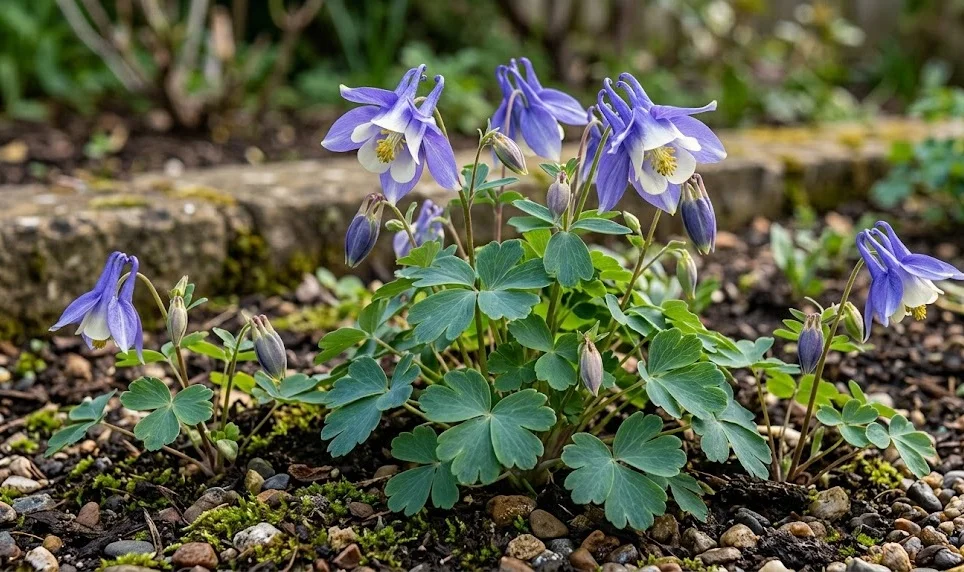

Proper hydration and nutrient management are the twin pillars of success when it comes to maintaining a healthy and vibrant fan columbine. This species, which hails from the mountainous regions of Japan, has specific needs that differ from more common garden perennials. Finding the right balance between providing enough moisture and ensuring the soil remains well-aerated is a skill that comes with observation and experience. When you master these elements, you will be rewarded with robust plants that produce an abundance of their characteristic, delicate blossoms.
The primary rule of watering for this plant is consistency, as it does not respond well to the “boom and bust” cycle of extreme dryness followed by saturation. The goal is to keep the soil evenly moist, particularly during the active growth and flowering phases of spring and early summer. If the soil is allowed to dry out completely, the plant may go into a premature dormancy, which can negatively affect its health for the following year. Conversely, soil that stays too wet for extended periods can quickly lead to root rot and other fungal issues.
During the cooler months of spring, natural rainfall is often sufficient to meet the needs of the fan columbine. However, as the temperatures rise and the days get longer, you may need to step in with supplemental irrigation to maintain the necessary moisture levels. Always water at the base of the plant rather than from overhead to keep the foliage dry and reduce the risk of disease. Early morning is the ideal time for this task, as it allows any accidental moisture on the leaves to evaporate quickly in the sun.
As the plant finishes its flowering cycle and moves into the heat of late summer, its water requirements may change slightly. While it still needs moisture, the plant is naturally slowing its growth and may be more susceptible to overwatering if the drainage is not perfect. Adjust your routine based on the specific weather conditions and the moisture retention of your soil. This proactive approach ensures that the plant remains healthy and prepared for the eventual arrival of the winter dormancy period.
Summer watering strategies and moisture retention
When the summer heat reaches its peak, the fan columbine can struggle if the soil temperatures become too high or the moisture levels drop too low. To combat this, applying a thick layer of organic mulch around the base of the plant is one of the most effective strategies you can employ. This mulch acts as an insulator, keeping the roots cool and significantly reducing the rate of evaporation from the soil surface. Materials like well-rotted compost, leaf mold, or fine bark are excellent choices for this purpose.
More articles on this topic
In periods of prolonged drought, deep watering is much more beneficial than frequent, shallow sprinkles. By applying water slowly over a longer period, you encourage the roots to grow deeper into the soil where it is naturally cooler and more humid. You can use a soaker hose or a drip irrigation system to deliver water precisely where it is needed with minimal waste. This method also keeps the surrounding air humidity slightly higher, which the plant appreciates during the dry summer months.
It is also important to pay attention to the specific location of your plants within the garden when deciding how much to water. Plants located under the canopy of large trees may face intense competition for moisture and will likely need more frequent attention. On the other hand, those in lower-lying areas or in heavier soil may require less frequent watering to avoid waterlogging. Tailoring your approach to each specific site ensures that every plant gets exactly what it needs to stay healthy.
If you are growing your columbines in containers, be aware that they will dry out much faster than those in the ground. During the hottest weeks, you might find it necessary to water them daily or even twice a day if the pots are small. Checking the moisture level with your finger is the most reliable way to determine if it is time to water. If the top inch of soil feels dry, it is time to provide a refreshing drink to your potted specimens.
Soil amendment and base nutrition logic
Providing the right nutrients for the fan columbine starts with the soil itself rather than a bottle of chemical fertilizer. This plant thrives in soil that is rich in organic matter, which provides a slow and steady release of nutrients throughout the season. Each year, in the early spring, you should aim to top-dress the area around your plants with a few centimeters of high-quality compost. This not only feeds the plant but also improves the overall soil structure and encourages beneficial microbial activity.
More articles on this topic
While it can be tempting to use high-nitrogen fertilizers to encourage rapid growth, this is often counterproductive for alpine species. Too much nitrogen can lead to soft, succulent growth that is weak and highly attractive to pests like aphids. Instead, look for a balanced fertilizer with a slightly higher phosphorus content to support strong root development and plentiful flower production. An organic granular fertilizer labeled for perennials is usually a safe and effective choice when applied at the recommended rate.
The timing of your nutrient applications is just as important as the type of fertilizer you use. The best time to provide a boost is in the early spring when the first new leaves are beginning to push through the soil. This gives the plant the resources it needs to build a strong frame and prepare for the energy-intensive process of blooming. Avoid fertilizing late in the summer or autumn, as this can stimulate new growth that won’t have time to harden off before the winter.
For those who prefer a more hands-on approach, making your own compost tea or using a liquid seaweed extract can provide excellent results. these liquid options are easily absorbed by the roots and provide a wide range of trace minerals that are often missing from standard fertilizers. Applying these every few weeks during the spring can give your plants an extra edge and improve their overall resilience. It is a gentle way to support the plant’s natural beauty and health.
Foliar and liquid feeding techniques
Foliar feeding is a supplementary technique that can be used to give your fan columbines a quick nutrient boost, especially during times of stress. This involves spraying a very dilute solution of liquid fertilizer directly onto the leaves, where it can be absorbed through the stomata. This method is particularly useful if the soil pH is slightly off and the roots are having trouble taking up certain minerals. However, it should never be the primary source of nutrition for your plants.
When applying foliar feeds, it is crucial to do so during the coolest parts of the day, such as early morning or late evening. Applying liquids in the direct sun can cause the leaves to scorch, as the water droplets act like tiny magnifying glasses. Ensure the solution is properly diluted to avoid chemical burns, as the foliage of the columbine is quite delicate. This technique is best used as a “pick-me-up” during the peak of the growing season or right before the flowering period begins.
Liquid feeding through the soil is another effective way to provide targeted nutrition during specific growth stages. For example, a high-potash liquid feed, similar to what you might use for tomatoes, can be beneficial just as the flower buds are starting to form. This helps to ensure the flowers are large, vibrant, and long-lasting on the stem. Always apply liquid fertilizers to moist soil to prevent root burn and ensure the nutrients are distributed evenly.
Consistency is key when using liquid supplements, as erratic feeding can lead to uneven growth patterns. Decide on a schedule, such as once every three or four weeks, and stick to it throughout the spring and early summer. By monitoring the plant’s reaction, you can fine-tune the concentration and frequency of the feedings to suit your specific garden conditions. This level of attention is what separates a casual gardener from a true perennial expert.
Monitoring for nutritional and hydration imbalances
A keen eye is your most valuable tool for identifying when your fan columbine is not getting the right balance of water or nutrients. One of the most common signs of underwatering is a general wilting of the foliage, which may eventually lead to browning along the leaf edges. If the plant is consistently too dry, the leaves may take on a dull, greyish tint and the flowers will fade much faster than usual. Catching these signs early and adjusting your watering routine can often save the plant from permanent damage.
On the flip side, overwatering often manifests as yellowing of the lower leaves and a general lack of vigor in the plant. In extreme cases, the base of the stems may become soft and mushy, indicating that crown rot has set in due to poor drainage. If you suspect overwatering, stop irrigating immediately and check the soil’s moisture levels deep down. Improving the drainage or moving the plant to a better location might be necessary if the soil stays saturated for too long after rain.
Nutritional deficiencies often show up as specific patterns of discoloration on the leaves. For instance, a lack of magnesium might cause yellowing between the veins, while a nitrogen deficiency usually results in the entire leaf becoming pale or light green. If you see these patterns, it is a sign that the soil chemistry needs adjustment. A simple soil test can confirm your suspicions and help you choose the right amendment to bring the system back into balance.
Finally, keep an eye out for signs of over-fertilization, which can be just as damaging as a lack of nutrients. If the leaf tips look burnt or the plant is producing an abundance of foliage but no flowers, you may have been too generous with the fertilizer. Flushing the soil with plain water can help remove excess salts and give the plant a chance to recover. Balancing these needs is a dynamic process that makes gardening with columbines such an engaging and rewarding pursuit.