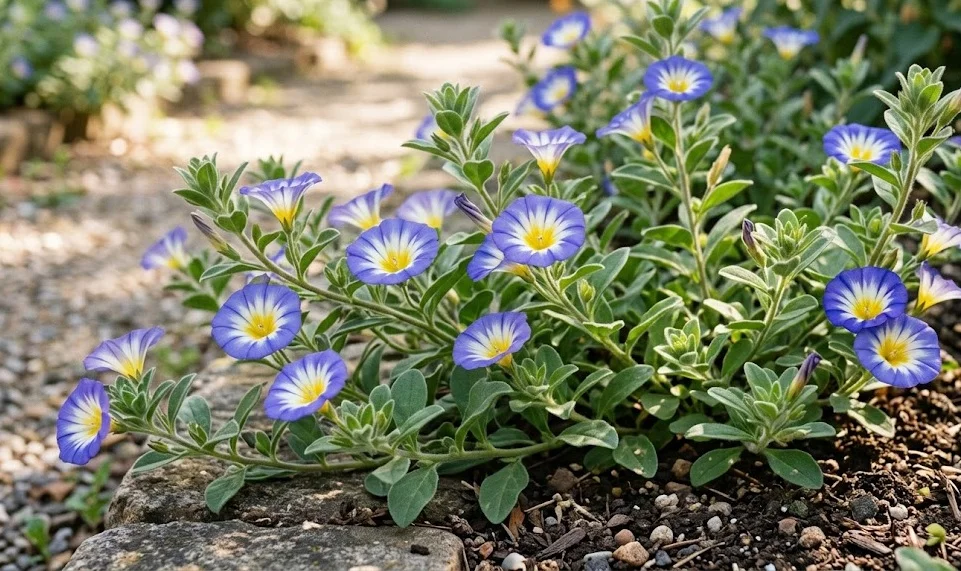

The dwarf morning glory is a remarkably vibrant annual plant that brings a splash of Mediterranean charm to any garden setting with its tricolor blooms. Gardeners often value this species for its low-growing, spreading habit, which makes it an ideal choice for borders and hanging baskets alike. Managing its needs requires a basic understanding of its natural habitat to ensure a long and healthy flowering season from early summer until the first frost. By following a few expert guidelines, anyone can successfully cultivate these stunning flowers and enjoy their daily transformation as they open with the sun.
Selecting the right spot in your garden is the first step toward a thriving display of these colorful blossoms. These plants are native to the Mediterranean region, meaning they thrive in warm temperatures and plenty of direct sunlight. If you place them in a spot that receives at least six hours of full sun, you will notice a significant increase in the number of blooms produced. Shaded areas often lead to leggy growth and sparse flowering, which detracts from the plant’s natural bushy appearance.
The soil conditions play a secondary but vital role in the overall health and vigor of the plant. It prefers well-draining soil that is rich in organic matter, though it is quite adaptable to different soil types as long as they do not hold too much water. Heavy clay soils should be amended with compost or sand to improve drainage and aeration for the roots. A slightly acidic to neutral pH level is generally considered optimal for nutrient uptake and consistent growth throughout the season.
Proper spacing is another detail that many novice gardeners overlook when designing their flower beds. Because this plant has a trailing or mounding habit, it needs enough room to spread its stems without competing too much with its neighbors. Providing about twelve inches of space between each plant allows for adequate air circulation, which helps prevent fungal issues later in the summer. When they have enough room, they form a dense carpet of green foliage that serves as a beautiful backdrop for the flowers.
Understanding the growth cycle
Observing the growth cycle of this plant is a rewarding experience for any nature enthusiast. It typically begins its journey in the spring when temperatures consistently stay above the freezing point and the soil warms up. You will see rapid vegetative growth during the first few weeks as the plant establishes its root system and stems. This period is crucial because a strong foundation will support the heavy blooming period that follows shortly after.
More articles on this topic
The flowering phase usually begins in early summer and can last until the arrival of the first autumn frosts. Each individual flower typically lasts only one day, opening wide in the morning light and closing by late afternoon or evening. This ephemeral nature is part of the plant’s charm, as every morning brings a fresh set of bright colors to the garden. It is quite fascinating to watch the garden transform daily as hundreds of new buds prepare to reveal their beauty.
As the season progresses, the plant will naturally start to produce seeds if the faded flowers are not removed. This process signals to the plant that its life cycle is nearing completion, which can sometimes slow down the production of new flowers. If you want to keep the display looking fresh and energetic, keeping an eye on the development of seed pods is a good habit. However, allowing some seeds to mature can be beneficial if you wish to see the plant return in the following year through self-seeding.
Temperature fluctuations during the late summer can affect the intensity of the flower colors and the overall health of the foliage. While the plant is quite heat-tolerant, extreme prolonged heatwaves might cause a slight lull in blooming activity. Providing a bit of afternoon shade during these intense periods can help the plant conserve energy and maintain its lush green leaves. Once the cooler nights of early autumn arrive, you might notice a final burst of growth and color before the plant goes dormant.
Soil quality and preparation
The foundation of any successful garden project lies in the quality of the earth where the roots will reside. For this specific flower, a loose and friable soil structure is much better than a compacted or dense one. You can test your soil by squeezing a handful; it should crumble easily rather than forming a hard ball. Incorporating well-rotted manure or garden compost a few weeks before planting will provide a slow-release source of essential nutrients.
More articles on this topic
Drainage is perhaps the most critical factor when preparing the planting site for these Mediterranean beauties. They do not like “wet feet,” which means their roots should never sit in stagnant water for extended periods. If your garden is prone to puddling after rain, consider creating a raised bed or adding a thick layer of grit to the bottom of the planting hole. Healthy roots require oxygen as much as they require moisture, and a porous soil structure facilitates this vital gas exchange.
While the plant is not overly demanding regarding nutrient levels, a balanced fertility profile supports more robust flowering. You might consider conducting a simple soil test to check for any major deficiencies in nitrogen, phosphorus, or potassium. Nitrogen promotes healthy green leaves, while phosphorus is essential for strong root development and plentiful flower production. Potassium helps the overall resilience of the plant, making it more resistant to environmental stressors like wind or sudden temperature changes.
Preparation also involves clearing the area of aggressive weeds that might steal moisture and light from your young plants. Taking the time to thoroughly weed the area before transplanting or sowing will save you a lot of effort later in the season. Mulching the surface with a thin layer of organic material can help suppress new weed growth and keep the soil temperature more consistent. This proactive approach creates a clean and supportive environment where your flowers can truly shine without competition.
Monitoring environmental conditions
Weather patterns can be unpredictable, and staying informed about local conditions will help you protect your plants from sudden changes. Sudden cold snaps in late spring can be devastating for young seedlings that have not yet hardened off. If a frost is predicted, covering the young plants with a light cloth or horticultural fleece overnight can make the difference between survival and loss. Once the weather stabilizes, these precautions are no longer necessary, but early vigilance is always rewarded.
High winds can sometimes damage the delicate stems and large leaves of this spreading plant, especially if it is grown in an exposed location. If you live in a particularly windy area, providing some form of low-profile windbreak or planting near a fence can offer protection. The trailing stems are relatively flexible, but a severe storm could still strip away the beautiful flowers and tarnish the foliage. Checking the plants after heavy weather allows you to tidy up any broken bits and check for signs of stress.
Humidity levels also play a role in how the plant manages its internal water balance and resists disease. In very humid climates, air circulation becomes even more important to prevent the buildup of moisture on the leaves. Space the plants a bit further apart in these conditions to ensure that the wind can dry the foliage quickly after a rain shower. This simple adjustment in your gardening strategy can significantly reduce the risk of powdery mildew and other common fungal issues.
Urban gardeners should also be aware of the “heat island” effect, where concrete and brick surfaces radiate heat long after the sun goes down. In such environments, the soil can dry out much faster than in a traditional rural garden setting. You may need to adjust your care routine to include more frequent checks on soil moisture if your plants are near walls or on balconies. Understanding these microclimates within your own space is part of becoming a more skilled and intuitive gardener.
Supporting the blooming process
To maximize the visual impact of your garden, you should focus on practices that encourage continuous flower production. One of the most effective methods is “deadheading,” which involves removing the spent blooms before they have a chance to turn into seeds. This tells the plant to keep putting its energy into making new flowers rather than focusing on reproduction. It only takes a few minutes every few days, but the results are clearly visible in the density of the floral display.
Consistent care during the peak of summer is essential for maintaining the health of the plant during its most active phase. As the days get longer and hotter, the plant works harder to keep its tissues hydrated and its metabolic processes running. Ensuring that the plant has access to the right amount of light and water will prevent it from becoming stressed and dropping its buds. A healthy plant is naturally more productive and will reward your efforts with a steady stream of tricolor blossoms.
Sometimes, a light application of a bloom-boosting fertilizer can provide the extra push needed for a spectacular mid-season show. These fertilizers are typically higher in phosphorus, which is the key element for floral development. However, be careful not to overdo it, as too much fertilizer can lead to an abundance of leaves at the expense of the flowers. Always follow the manufacturer’s instructions and apply it to damp soil to prevent any potential root burn.
Paying attention to the overall shape of the plant can also indirectly support the blooming process. If the stems become too long and thin, the plant might struggle to transport nutrients and water to the very tips where the buds form. Occasionally pinching back the growing tips of the stems can encourage the plant to branch out more. A bushier plant has more potential locations for flowers to emerge, resulting in a more compact and colorful appearance in your garden beds.
Long term health and maintenance
Even though this plant is typically grown as an annual, maintaining its health throughout the season requires ongoing attention. Regularly inspecting the leaves for any discoloration or spots can help you catch potential problems before they spread. Healthy leaves should be a vibrant green and feel firm to the touch, indicating good hydration and nutrient levels. If you see yellowing or drooping that isn’t related to thirst, it might be time to investigate the soil or pest situation.
Mulching is a long-term maintenance strategy that offers multiple benefits for the dwarf morning glory. A layer of bark chips or straw helps retain soil moisture, which reduces the frequency of watering during the height of summer. It also keeps the soil cooler, which protects the roots from the intense heat of the midday sun. Over time, as the organic mulch breaks down, it enriches the soil with humus, improving the environment for future plantings.
As the end of the season approaches, the plant will naturally start to fade as the days shorten and temperatures drop. During this time, you can decide whether you want to harvest seeds for next year or simply let nature take its course. If you have enjoyed the specific colors and patterns of your current plants, saving seeds is a great way to ensure you can grow them again. Make sure the seed pods are completely dry and brown before you pick them and store them in a cool, dry place.
Cleaning up the garden area after the first killing frost is an important final step for maintaining a healthy outdoor space. Removing the dead plant material prevents pests and diseases from overwintering in the debris and affecting next year’s crop. You can add the healthy green parts to your compost pile, but any diseased material should be disposed of separately. Taking these steps ensures that your garden remains a clean and productive place for many seasons to come.
Expert tips for success
For those who want to take their gardening skills to the next level, experimenting with different planting combinations can be very rewarding. The dwarf morning glory looks stunning when paired with silver-leaved plants or bright yellow marigolds for a high-contrast look. Because of its trailing habit, it also works beautifully as a “spiller” in mixed container arrangements. Don’t be afraid to try new locations or companion plants to see what creates the most beautiful aesthetic in your space.
Timing your planting perfectly can give your flowers a significant head start on the growing season. While they are sensitive to frost, getting them in the ground as soon as the soil is warm enough allows them to establish before the intense heat of July. Some experts recommend starting seeds indoors a few weeks early in biodegradable pots to minimize root disturbance during transplanting. This extra effort can lead to an earlier start to the blooming season, giving you more time to enjoy the flowers.
Observation is the most powerful tool in any gardener’s kit, so spend time just looking at your plants every day. You will start to notice the subtle signs of when they are happiest and when they need a little extra help. Maybe the leaves look a bit dull, suggesting a need for a light liquid feed, or perhaps the soil feels unexpectedly dry. This intuitive connection with your garden is what turns a hobby into a lifelong passion for many people.
Finally, remember that gardening is a learning process and every season brings its own unique set of challenges and triumphs. Don’t be discouraged if things don’t go exactly as planned; instead, use those experiences to adjust your methods for the next year. Each success with your dwarf morning glory will build your confidence and help you appreciate the complex beauty of the natural world. Enjoy the process of nurturing life and the vibrant colors that will surely brighten your outdoor living space.