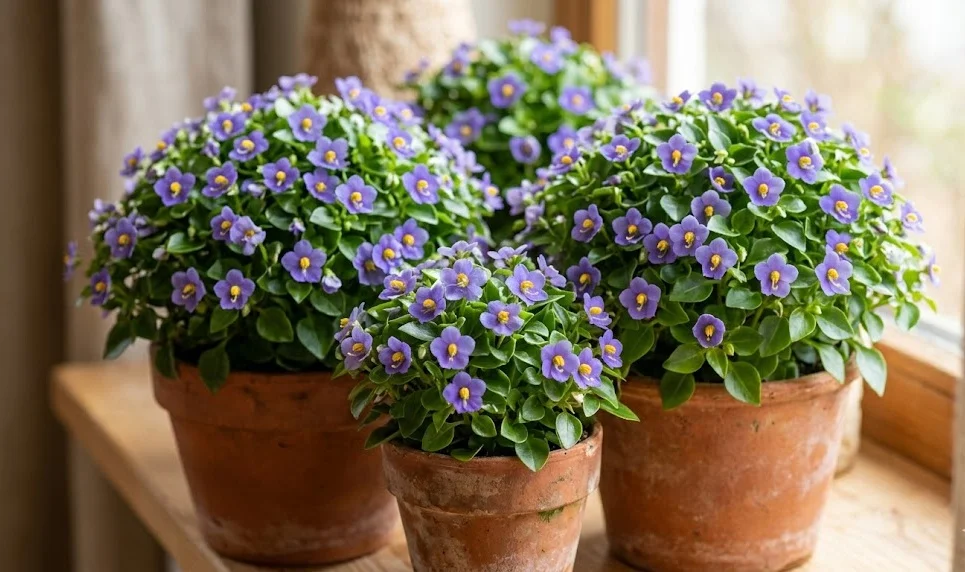

Understanding the specific light needs of the persian violet is the most critical factor for achieving a continuous and vibrant floral display. This plant is often described as a “light-loving” species, but its tropical origins mean it prefers brightness without the intensity of direct sun. Finding the perfect balance is a task that requires careful observation and a professional understanding of indoor lighting dynamics. Proper light management ensures the plant remains compact, healthy, and full of its signature fragrant flowers.
In its natural habitat, this species grows under the canopy of larger plants where the light is bright but consistently filtered. Replicating this “dappled” light environment indoors is the goal of every successful professional grower who works with this plant. Ideally, the plant should receive at least six to eight hours of high-quality light every single day to support its metabolism. If the light levels are too low, you will quickly notice the stems stretching and the flower production coming to a halt.
The direction of your windows plays a vital role in determining the quality and intensity of the light available to your plants. East-facing windows are often considered ideal because they provide gentle morning sun that is not intense enough to damage the foliage. West-facing windows can also work well, provided you have a sheer curtain to filter the much harsher afternoon light. Professional gardeners often use light meters to precisely measure the foot-candles or lux levels in different parts of their homes.
Artificial lighting can be a powerful tool for indoor gardeners who do not have access to ideal natural light sources. Modern LED grow lights are energy-efficient and can be tailored to provide the specific spectrum of light that flowering plants require. Using a timer to ensure a consistent photoperiod helps the plant maintain its natural rhythms regardless of the weather outside. Supplemental lighting is especially useful during the winter months when natural daylight hours are at their shortest in many regions.
Optimizing sunlight exposure
Placement near a window is essential, but the distance from the glass can make a significant difference in the intensity of the light received. For most homes, keeping the persian violet within two to three feet of a bright window is the “sweet spot” for growth. As you move the plant further into the room, the light intensity drops off dramatically according to the inverse square law of physics. A professional setup maximizes this available light while protecting the plant from the physical heat of the window pane.
More articles on this topic
Reflective surfaces can be used to bounce extra light into the shadier parts of the plant and encourage more even growth. Placing a white wall or a decorative mirror behind the plant can significantly increase the total amount of light reaching the foliage. This simple technique is often used in professional growing cabinets to make the most of every available photon. It also helps prevent the plant from becoming “one-sided” as it reaches toward the primary light source during the day.
The time of day and the season of the year both influence the path of the sun and the quality of the light in your home. You may find that a spot that is perfect in the spring becomes far too intense during the peak of the summer heat. Be prepared to adjust the position of your plants throughout the year to maintain a consistent light environment for their needs. Professional observation involves noting these subtle shifts and being proactive about moving your collection before any stress occurs.
Filtering the light through a thin, translucent fabric is an excellent way to prevent leaf scorch while still providing high light levels. A simple sheer curtain can transform a “harsh” south-facing window into a perfect nursery for delicate tropical species like the persian violet. This technique mimics the natural cloud cover or forest canopy that the plant has evolved to thrive under in the wild. It allows you to utilize the brightest rooms in your house without the risk of damaging the sensitive plant tissues.
Avoiding direct afternoon glare
Direct afternoon sunlight is the most common cause of cosmetic damage and physiological stress for indoor tropical plants. The intense ultraviolet rays can literally cook the cells in the leaves, leading to permanent white or brown “scorch” marks. These marks not only look unsightly but also reduce the plant’s ability to photosynthesize and produce the energy it needs. A professional grower always prioritizes protection from the midday sun to keep the foliage looking its absolute best.
More articles on this topic
In addition to physical damage, intense direct light can cause the potting soil to dry out much faster than usual. This leads to a cycle of rapid dehydration and rehydration that is very stressful for the plant’s root system and general health. If you notice the pot feeling very light or the plant wilting by the afternoon, it is a sign that the light is too intense. Moving the plant just a few feet away from the window can resolve this issue while still providing adequate brightness.
Heat buildup near the window glass is another side effect of direct sunlight that can negatively impact your persian violet. During the summer, the temperature in the small space between the curtain and the window can easily exceed thirty degrees Celsius. This level of heat will cause the flowers to fade prematurely and may even cause the plant to drop its leaves as a defense mechanism. Ensuring good air circulation around the window area is a professional step that helps mitigate these localized heat spikes.
Observing the behavior of the plant’s leaves can tell you if the light levels are becoming dangerously high during the day. Some plants will actually tilt their leaves away from the light or fold them slightly to reduce the surface area exposed to the sun. If you see this happening, it is a clear signal from the plant that it has reached its limit and needs some shade. Professional gardening is a constant dialogue between the grower and the plant, with light being one of the most important topics.
Using artificial lighting sources
When natural light is insufficient, full-spectrum LED grow lights offer a reliable professional alternative for the modern indoor gardener. These lights are designed to emit the specific wavelengths of red and blue light that drive photosynthesis and floral development. You can place these lights directly above your plants to provide a consistent and powerful source of energy throughout the day. Using artificial light allows you to grow beautiful persian violets even in basement rooms or dark apartments with no windows.
The height of the light above the plant is a critical factor that determines the intensity of the illumination received by the leaves. Most small LEDs should be positioned about six to twelve inches above the top of the foliage for the best results. If the light is too far away, the plant will still stretch and become leggy as it tries to reach the source of energy. Professional growers use adjustable hangers to keep the light at the perfect height as the plant grows taller throughout the season.
Consistency is the key to success with artificial lighting, and a simple plug-in timer is an essential tool for any serious gardener. Set the lights to provide twelve to fourteen hours of “daylight” to mimic the long days of a tropical summer. This consistent photoperiod encourages the plant to remain in a blooming phase for as long as possible, providing a spectacular display of purple. Avoid the temptation to leave the lights on for twenty-four hours, as the plant still needs a period of darkness for its essential nightly processes.
The heat generated by artificial lights is generally much lower than that of the sun, but it should still be monitored to avoid any issues. High-powered lights can still warm up the surrounding air, especially in a small or enclosed growing space like a shelf or cabinet. Ensure that there is adequate ventilation and that the light fixtures are well-ventilated to prevent any localized heat buildup near the plants. A professional approach to lighting always considers the entire environment, including the heat and humidity levels.
Observing light-related stress symptoms
Being able to identify the early signs of light stress will allow you to make the necessary adjustments before any permanent damage occurs. Etioaltion, or “legginess,” is the most common symptom of a plant that is not receiving enough light to support its growth. The stems will become long and weak, and the distance between the leaves will increase significantly as the plant reaches for more light. If you see this happening, move the plant to a brighter location immediately to encourage more compact and healthy development.
A lack of flower production or a sudden drop in healthy-looking buds is another clear indicator that the light levels are insufficient. The persian violet requires a significant amount of energy to produce its fragrant flowers, and light is the primary source of that energy. If your plant is lush and green but never blooms, it is likely living in a spot that is just a bit too dark for reproduction. Increasing the light intensity by even a small amount can often trigger a new flush of flowers within a few short weeks.
On the other end of the spectrum, leaves that are turning pale yellow or developing white, papery spots are suffering from too much light. This “bleaching” occurs when the chlorophyll is damaged by intense radiation, leaving the leaf unable to function properly. You may also notice the flowers fading very quickly or turning brown at the edges if they are exposed to direct, harsh afternoon sun. Professional correction involves moving the plant further back from the light source or adding a sheer filter to the window.
Finally, pay attention to the overall direction of growth to ensure your plant remains symmetrical and attractive for its entire life. If all the stems are leaning heavily toward the window, it is a sign that the light is coming from only one direction and is somewhat limited. Give the pot a quarter-turn every week to ensure that all sides of the plant receive an equal share of the available light. This simple professional habit ensures that your persian violet remains a beautiful and well-proportioned centerpiece in your home.