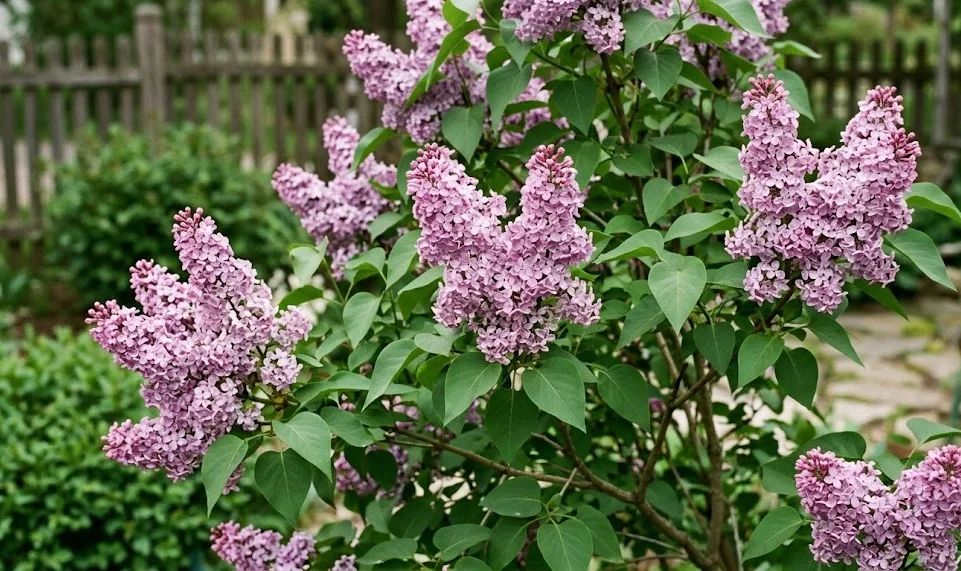

Preparing your shrubs for the dormant season is a critical task that ensures they emerge in the spring with full vigor and potential. While these plants are exceptionally cold-hardy, the combination of wind, fluctuating temperatures, and heavy snow can still cause significant damage. You must take a proactive approach to fortification before the ground freezes solid and the harsh winter winds begin to blow. A well-prepared plant is much more likely to deliver a spectacular floral display once the weather warms.
Preparing for the first frost
As the days grow shorter and the temperatures begin to drop, the shrub naturally starts to move its energy from the leaves to the roots. You should assist this process by gradually reducing any supplemental watering unless the autumn has been exceptionally dry. This signal helps the wood of the new shoots to “harden off,” turning from green and soft to brown and woody. Soft growth that has not matured will be the first to die back when the temperatures hit the freezing mark.
One of the most important steps you can take is to avoid any pruning in the late summer or early autumn. Any cuts made at this time can stimulate the plant to produce a flush of new growth that will not have time to harden. This tender foliage is highly susceptible to frost damage and can act as an entry point for diseases during the damp winter months. You should wait until the plant is fully dormant before performing any necessary structural maintenance.
Cleanup around the base of the plant is also a vital part of the preparation process for the winter. You should remove any fallen leaves or debris that might provide a hiding place for overwintering pests or fungal spores. A clean environment reduces the risk of reinfection when the warm, wet weather returns in the spring. This simple act of hygiene can prevent a lot of headaches in the following growing season.
Finally, you should do a final inspection of the plant’s structural integrity before the first heavy winds arrive. Look for any weak branches or included bark that might fail under the weight of ice or snow. If you find any major issues, you may want to provide temporary support or prune the branch back to a safer point. Taking care of these physical vulnerabilities now will prevent more extensive damage during a winter storm.
More articles on this topic
Protecting the root zone
The roots are the most sensitive part of the plant when it comes to extreme temperature fluctuations and frost heaving. You should apply a fresh layer of organic mulch, about three to four inches deep, around the entire drip line of the shrub. This insulation acts like a thermal blanket, keeping the soil temperature more stable and preventing the rapid freezing and thawing cycles that can damage fine feeder roots. Use materials like wood chips, straw, or shredded bark for the best results.
Be very careful to leave a small gap between the mulch and the main trunk of the shrub. You do not want the mulch to touch the bark, as this can trap moisture and cause the wood to rot or encourage rodent damage. Voles and mice often use deep mulch as a protected tunnel system to reach and gnaw on the bark of young shrubs during the winter. A “doughnut” shape for your mulch pile is the most effective and safe configuration.
In regions where the soil stays frozen for long periods, winter desiccation can be a major threat to plant health. You should ensure that the soil is thoroughly hydrated before the first hard freeze, as roots cannot absorb water from frozen ground. A deep soaking in late November provides the plant with the internal moisture it needs to withstand the drying effects of cold winter winds. This is especially important for younger shrubs that have not yet established a deep root system.
If you are dealing with a particularly vulnerable or newly planted specimen, you might consider a temporary windbreak. You can use burlap screens or snow fencing to protect the shrub from the prevailing winter winds. This physical barrier reduces the rate of moisture loss from the stems and helps prevent the “freeze-drying” effect that can kill branches. Protecting the root zone and the lower stems is the foundation of a successful wintering strategy.
More articles on this topic
Managing snow and ice loads
Heavy, wet snow and ice can be incredibly destructive to the upright branches of these ornamental shrubs. You should be prepared to gently brush off heavy snow accumulations before the weight causes the branches to bend or snap. Use a soft broom or your hands to lift the snow off, moving in an upward direction rather than pushing down. If the snow has already turned to ice, it is often better to leave it alone, as trying to remove ice can cause more damage than the ice itself.
If a branch does bend under the weight of snow, you should avoid the temptation to force it back into place immediately. Once the snow melts or is removed, the wood will often slowly return to its original position on its own. Forcing a cold, brittle branch can lead to internal cracking or a complete break that would not have happened otherwise. Patience is a virtue when dealing with the mechanical stresses of a winter landscape.
For multi-stemmed shrubs that are prone to spreading, you can use soft twine to loosely bundle the main trunks together. This technique helps the plant function as a single, more stable unit that is better able to shed snow. You should ensure the twine is not too tight, as you still want air to circulate and the branches to have some natural movement. This temporary bracing can be removed as soon as the threat of heavy snow has passed in the spring.
In the event that a branch does break during a storm, you should wait for a clear, dry day to make a clean repair cut. Do not leave jagged or torn wood exposed for long, as this can lead to further dieback or infection. A sharp, clean cut at the nearest healthy bud or branch union will help the plant seal the wound more effectively when growth resumes. Managing the physical impact of winter is an ongoing task for the dedicated gardener.
Early spring recovery and assessment
As the snow melts and the ground begins to thaw, your first task is to assess any damage that occurred during the winter. You should walk around each shrub and look for broken tips, split bark, or any signs of rodent damage at the base. Removing any dead or damaged wood immediately prevents it from becoming a source of infection as the weather warms. This initial cleanup is the first step in transitioning the plant from dormancy to active growth.
You should also check the status of your mulch and pull it back slightly if it has shifted against the trunk during the winter. If the soil has settled or if frost heaving has exposed any roots, you should gently add a bit of topsoil to cover them back up. This is also the ideal time to check the soil moisture levels, as the spring winds can be very drying even if the ground is cool. Providing a light watering if the spring is dry will give the plant a head start on its new growth.
Avoid the urge to fertilize too early in the spring, as the plant needs time to wake up naturally. You should wait until you see the first signs of green growth before providing any supplemental nutrients. Applying fertilizer to dormant roots is often a waste of resources and can sometimes lead to salt burn. Let the natural rise in temperature and the increase in daylight hours be the primary drivers of the plant’s recovery.
Finally, keep a close eye on the weather forecast as the buds begin to swell and show color. A late spring frost can be devastating to the tender new growth and the developing flower buds. If a hard freeze is predicted after the buds have opened, you might consider covering the shrub with a lightweight frost blanket for the night. This final bit of winter protection can save your entire year’s floral display from being lost in a single night.