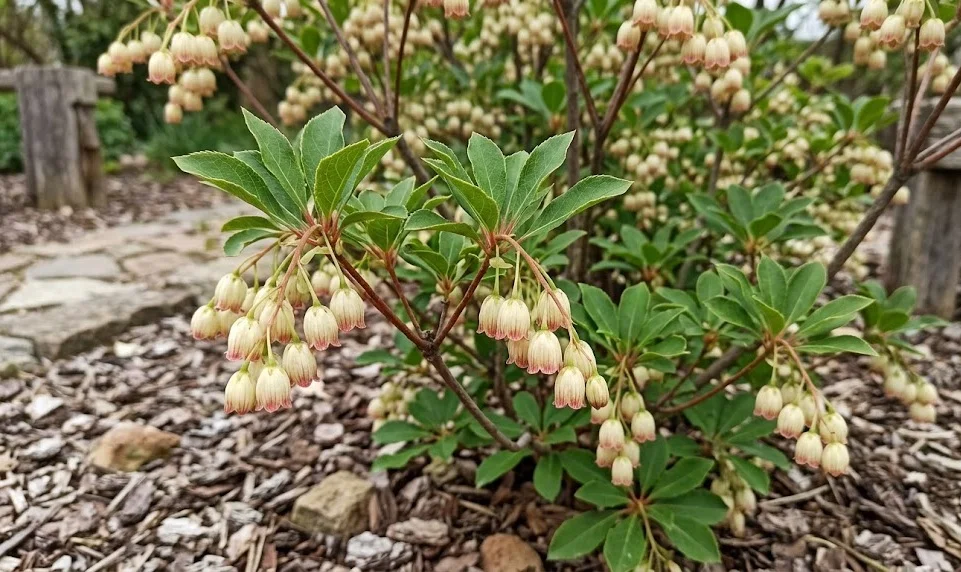

Caring for the redvein enkianthus requires a deep understanding of its specific biological needs and environmental preferences. This deciduous shrub is highly valued for its striking bell-shaped flowers and vibrant autumn foliage that transforms any garden space. To ensure its long-term health, one must pay close attention to the acidity of the soil and the consistency of moisture. Successful cultivation starts with a commitment to providing an environment that mimics its native woodland habitat.
Establishing the right soil conditions is the most critical factor for the health of this particular species. The plant thrives exclusively in acidic soil with a pH level ideally ranging between 4.5 and 5.5. If the soil is too alkaline, the leaves will quickly show signs of chlorosis, which stunts overall growth and vigor. Incorporating organic matter like peat moss or pine bark can help maintain the necessary acidity over time.
Consistent monitoring of the soil structure is also necessary to prevent compaction around the root zone. These plants have a relatively shallow and delicate root system that requires plenty of oxygen to function. Adding leaf mold or well-rotted compost during the initial stages helps create a porous environment for these roots. Always avoid heavy clay soils that retain too much water and suffocate the plant’s base.
Testing the soil pH annually is a professional practice that prevents long-term nutritional issues. Even if the soil was initially acidic, urban environments often have alkaline runoff from concrete or limestone. Using sulfur-based amendments can help lower the pH if it begins to rise unexpectedly. Knowledge of your local geology will play a significant role in how often you need to intervene.
Seasonal maintenance routines
Spring is the time when the shrub begins its active growth phase and requires the most attention. As the buds begin to swell, it is important to clear away any debris that may have accumulated over the winter months. This is also the best time to check for any winter dieback and prepare the plant for flowering. Providing a light layer of fresh mulch at this stage helps the soil retain moisture as temperatures rise.
More articles on this topic
During the height of summer, the primary focus shifts toward moisture management and heat protection. The delicate foliage can suffer from scorch if the plant is exposed to intense afternoon sun without adequate hydration. Maintaining a thick mulch layer is essential during these months to keep the root temperature stable and cool. Observation during the hottest days will reveal if the plant needs temporary shading or extra misting.
Autumn brings the famous color change that makes this shrub a centerpiece of many landscape designs. As the growth slows down, the plant begins to prepare for its dormant period by storing essential nutrients in its woody structure. It is important not to apply any high-nitrogen fertilizers during this time to avoid soft, late-season growth. Instead, focus on keeping the area clean of fallen leaves that might harbor pathogens.
Winter care is largely passive but still requires some foresight regarding weather extremes. While the plant is quite hardy, young specimens may need protection from drying winds and heavy snow loads. Shaking off heavy snow prevents branch breakage and keeps the natural structure of the shrub intact. Ensure the soil does not dry out completely during prolonged dry spells in the colder months.
Site selection and microclimate
Choosing the perfect location is the foundation of a thriving redvein enkianthus specimen in any garden. Ideally, the site should offer dappled sunlight or morning sun with protection from the harsh afternoon rays. High-canopy trees often provide the perfect light conditions while also offering some wind protection. Avoiding low-lying areas where frost pockets form will protect the early spring flower buds.
More articles on this topic
Wind exposure can be a silent killer for this shrub, especially in colder or more arid regions. Strong winds increase the rate of transpiration, leading to leaf desiccation and overall plant stress. Planting near a fence or a dense hedge can provide the necessary windbreak without sacrificing light. A sheltered position also helps maintain a higher level of ambient humidity which the plant favors.
The topography of the planting site must ensure that water never stands around the crown of the plant. Sloped areas or raised beds are excellent choices for ensuring that excess moisture drains away rapidly. Even though the plant loves water, it cannot tolerate “wet feet” for any significant period of time. Proper drainage is just as important as the acidity of the soil for long-term survival.
Consider the proximity to other plants when deciding on the final location for your enkianthus. It should have enough space to reach its natural mature size without being crowded by more aggressive neighbors. Proper air circulation around the shrub reduces the risk of fungal diseases and ensures healthy leaf development. Give it at least three to five feet of clearance from larger trees and structures.
Mulching and root protection
Mulching is not just an aesthetic choice but a vital functional requirement for this species. A thick layer of organic mulch helps to replicate the forest floor environment where these plants naturally evolve. Pine needles, shredded oak leaves, or acidic bark nuggets are the best materials for this purpose. These materials slowly break down and contribute to the ongoing acidity of the soil profile.
The mulch layer should be maintained at a depth of about two to three inches for maximum effectiveness. This depth is sufficient to suppress weed growth and prevent competition for nutrients and water. However, it is crucial to keep the mulch away from the direct contact with the stem. Piling mulch against the bark can encourage rot and provide a hiding spot for rodents.
In addition to moisture retention, mulch acts as a powerful insulator against temperature fluctuations. It prevents the soil from heating up too quickly in the summer and freezing too deeply in the winter. This stability is essential for the shallow roots that are most vulnerable to environmental changes. Replacing or topping off the mulch twice a year ensures that these benefits remain consistent.
Beyond physical protection, mulching improves the biological activity within the soil around the plant. It encourages the growth of beneficial mycorrhizal fungi that assist the roots in nutrient uptake. Earthworms and other soil organisms also thrive under a good mulch layer, improving soil aeration. A healthy soil biology leads to a more resilient and vigorous shrub throughout its life.
Interaction with other acid loving plants
The redvein enkianthus is an excellent companion for other popular acid-loving garden plants. It shares the same cultural requirements as azaleas, rhododendrons, and pieris, making them ideal neighbors. Planting these together creates a cohesive aesthetic and simplifies the maintenance of soil pH. They often bloom at slightly different times, extending the visual interest of the garden bed.
When grouping these plants, consider their varying heights and growth rates to create a layered look. Enkianthus typically grows taller and more upright than many common dwarf rhododendrons. This makes it a perfect background plant or a structural anchor in a mixed ericaceous border. The contrasting leaf textures between these species add a sophisticated dimension to the landscape.
Companion planting also helps create a beneficial microhabitat for all the species involved. Large groups of shrubs help to retain humidity and provide mutual shade for each other’s root systems. The shared leaf litter from different acid-loving plants creates a rich, diverse mulch over time. This communal environment often results in healthier plants compared to isolated specimens in the lawn.
Be mindful of the water needs when mixing different species in the same planting area. While they all like moisture, some may be more sensitive to drought than the enkianthus. Grouping plants with identical irrigation needs ensures that none of them are over or under-watered. This strategic approach to planting leads to a more sustainable and low-maintenance garden design.
Longevity and growth habits
This shrub is known for its slow to moderate growth rate and its impressive longevity. It can take several years to reach its full height, which makes it a great choice for smaller gardens. The natural form is gracefully upright and tiered, resembling an elegant small tree or a large shrub. Patience is required, as the plant becomes more beautiful and structured with each passing year.
As the plant matures, the bark develops an attractive peeling texture that adds winter interest. The branches grow in a whorled pattern, creating a unique architectural look that stands out in the garden. This structural integrity means that the plant rarely requires heavy pruning to look its best. Observing the natural growth habit helps you appreciate its unique place in the botanical world.
A well-cared-for enkianthus can live for many decades, becoming a permanent fixture in the landscape. It is not prone to sudden decline if its basic needs for acidic soil and moisture are met. Older specimens possess a character and presence that younger plants simply cannot match. Investing time in proper care early on pays off in the long run as the plant matures.
Understanding the mature dimensions is vital for long-term planning in the garden layout. While it starts small, it can eventually reach heights of eight to fifteen feet depending on the variety. Knowing this prevents the need for transplanting the shrub later, which can be very stressful for an established plant. Proper spacing at the start ensures that the shrub can reach its full potential.
Common mistakes in daily care
One of the most frequent errors made by gardeners is using tap water that is high in calcium. Over time, the minerals in hard water can neutralize the acidity of the soil, leading to plant stress. If your local water is hard, it is much better to collect rainwater for your enkianthus. Alternatively, you can use specialized water softeners or acidifying treatments for your irrigation system.
Another common mistake is planting the shrub too deeply in the ground during installation. The root ball should be level with or slightly above the surrounding soil surface to ensure air reaches the roots. Deep planting can lead to stem rot and slow decline because the roots cannot breathe properly. Always check the depth twice before filling in the hole with soil.
Over-fertilizing is also a frequent problem that can lead to salt buildup in the soil. High concentrations of fertilizer salts can burn the sensitive roots and cause the leaf margins to turn brown. It is always better to under-fertilize than to apply too much at once. Slow-release organic options are much safer for the long-term health of the plant.
Finally, many people neglect the plant during the transitional seasons of early spring and late fall. Sudden dry spells during these times can be just as damaging as summer heatwaves. Consistency is the key to success with this species, as it does not handle extreme stress well. Regular observation and small adjustments will prevent major problems from developing.