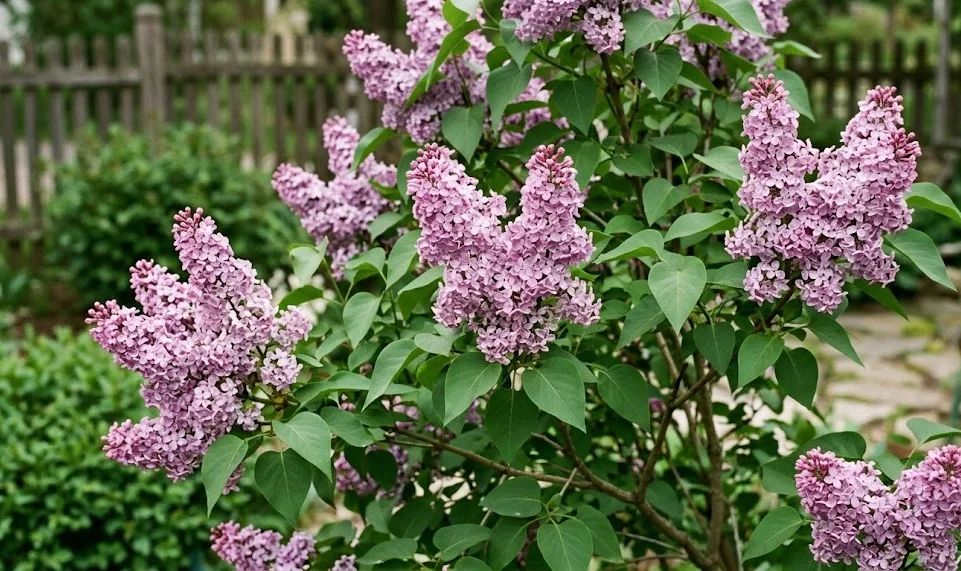

The art of pruning is what separates a chaotic, overgrown thicket from a refined and productive garden specimen. You must approach the task of cutting back these shrubs with a clear understanding of their growth habits and flowering cycles. Pruning is not just about controlling size; it is a vital tool for rejuvenation, disease prevention, and the promotion of high-quality blooms. A professional touch with the shears ensures that the plant remains youthful and vibrant for many years.
Deadheading and routine maintenance
The most basic form of pruning is deadheading, which involves removing the spent flower clusters as soon as they begin to fade. You should cut the flower stem back to the first set of leaves or the nearest pair of developing buds. This simple task prevents the plant from wasting its energy on producing seeds and directs that power back into the roots and next year’s buds. Most gardeners find that regular deadheading significantly improves the overall appearance of the shrub during the transition into summer.
In addition to removing old flowers, routine maintenance includes the “three Ds”: removing dead, damaged, or diseased wood. You should perform this cleanup whenever you notice a problem, regardless of the time of year. Removing a broken branch immediately prevents it from tearing the bark or becoming a gateway for pests. This proactive approach keeps the shrub clean and reduces the overall stress on its vascular system.
You should also look for suckers, which are the vigorous shoots that grow straight up from the root system or the base of the trunk. While some suckers are useful for rejuvenation, an excess of them can turn the shrub into a tangled mess that restricts airflow. You should prune out the weakest suckers at ground level to maintain a clear and organized structure. This allows the plant to focus its resources on the main stems that produce the best flowers.
Finally, thin out any branches that are rubbing against each other or growing inward toward the center of the canopy. You want to maintain an open, vase-like shape that allows light and air to reach every part of the plant. Branches that rub together can create wounds in the bark that are susceptible to infection and decay. A little bit of selective thinning every year prevents the need for drastic corrective pruning in the future.
More articles on this topic
Rejuvenation and structural thinning
Older shrubs that have become leggy and unproductive require a more aggressive approach known as rejuvenation pruning. You should follow the “one-third rule,” which involves removing one-third of the oldest, thickest stems at ground level every year for three years. This gradual process encourages the growth of new, vigorous shoots from the base without shocking the entire plant. By the end of the third year, you will have a completely renewed shrub with much better flowering potential.
When selecting which stems to remove, you should focus on those that have the most gray, crusty bark and the fewest healthy side branches. These old trunks are often the least efficient at transporting water and nutrients to the top of the plant. Removing them opens up the center of the shrub and allows younger, more productive wood to take over. This constant cycle of renewal keeps the plant in a “perpetual youth” state that maximizes its lifespan.
If a shrub has been completely neglected for decades and is an eyesore, you might consider a “radical” rejuvenation. This involves cutting the entire plant down to about six to twelve inches above the ground in early spring while it is still dormant. While you will lose the flowers for a year or two, the plant will respond with a flush of very vigorous new growth. This technique is a last resort, but it is remarkably effective for saving old specimens that have lost their shape.
After any major pruning event, you should provide the plant with extra care to help it recover from the stress. This includes consistent watering and perhaps a light application of a balanced fertilizer to support the new growth. You should also monitor the new shoots and thin them out if too many emerge at once from the base. Proper follow-up care ensures that your rejuvenation efforts lead to a healthy and beautiful new structure.
More articles on this topic
Timing and professional tools
The timing of your pruning is the most critical factor in ensuring you don’t accidentally cut off next year’s flowers. You should perform your main pruning immediately after the current year’s blooms have finished fading in the late spring. This gives the plant the entire summer to grow new wood and set the flower buds for the following spring. Pruning in the winter or early spring is much easier because the branches are visible, but you will be removing all of that year’s potential color.
Using the right tools for the job makes the work easier and prevents unnecessary damage to the plant tissue. You should have a sharp pair of bypass pruners for small branches, loppers for medium stems, and a folding saw for the thickest trunks. Bypass pruners are preferred over anvil types because they make a clean, scissor-like cut that heals much faster. Always ensure your tools are sharp and clean before you start working on your shrubs.
Sanitation is a professional habit that prevents the spread of diseases like bacterial blight between different plants. You should wipe your blades with a solution of 70% isopropyl alcohol after working on any plant that shows signs of illness. This simple step can save your entire garden from a cross-contamination event that could be devastating. Taking the time to care for your tools is just as important as taking care of the plants themselves.
When making a cut, you should always aim for a slight angle just above a healthy bud or a branch union. Avoid leaving “stubs,” which are long sections of stem with no leaves or buds, as these will simply rot and invite disease. A clean, angled cut allows water to run off the wound and encourages the plant’s natural healing processes. Professional pruning is a blend of scientific knowledge and practical skill that rewards the gardener with a stunning and healthy landscape.