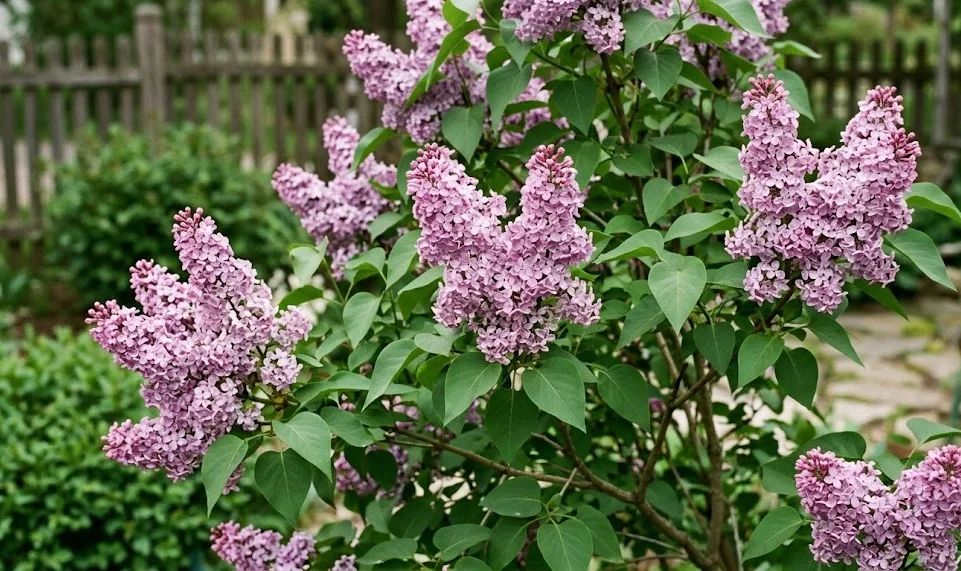

Proper hydration and nutrition are the twin engines that drive the spectacular growth and flowering of these garden favorites. While these shrubs are known for their resilience, a professional approach to resource management can transform an average plant into a neighborhood masterpiece. You must understand the delicate balance between providing enough support and over-stimulating the plant with excessive inputs. Consistency is the secret to maintaining a healthy vascular system and a robust immune response.
Hydration strategies for young plants
Newly planted shrubs require the most intensive watering schedule to ensure their survival during the first two years. You should check the soil moisture daily during the heat of summer to prevent the root ball from drying out. Because the root system is still confined to a small area, it cannot yet access deeper water reserves in the ground. Providing a slow, deep soak twice a week is usually more effective than light daily sprinkling.
The goal of early watering is to encourage the roots to grow deep into the soil profile. You should apply water at the base of the plant rather than over the foliage to reduce the risk of leaf diseases. If the soil surface feels dry, it doesn’t always mean the roots are thirsty, so you should use a finger to check a few inches down. A consistent moisture level helps the plant build the structural strength needed for future growth.
During periods of extreme drought, young plants may show signs of wilting even if they were watered recently. You should consider providing temporary shade during the hottest part of the afternoon to reduce transpiration rates. Mulching around the base is also critical for young plants as it prevents the sun from baking the shallow roots. Keeping the root zone cool and moist allows the plant to focus its energy on establishment rather than survival.
As the second growing season approaches, you can begin to taper off the frequency of watering if the plant looks vigorous. You are essentially training the shrub to be more self-sufficient by forcing the roots to seek out moisture further away. However, you should still monitor the plant closely during any prolonged dry spells or heatwaves. A strong start in the early years pays dividends in the form of a more drought-tolerant mature specimen.
More articles on this topic
Managing water for established shrubs
Mature shrubs have a much wider and deeper root system that can typically find enough water under normal conditions. You should only need to provide supplemental water during extended periods of dry weather or during the peak blooming phase. If the leaves begin to look dull or start to curl slightly, it is a clear sign that the plant’s internal water pressure is dropping. One deep soaking every ten to fourteen days during a drought is usually sufficient for an established plant.
The timing of your watering can make a significant difference in how the plant utilizes the moisture. You should ideally water in the early morning so the foliage has time to dry before the sun gets too high. This also ensures that the water reaches the roots before it has a chance to evaporate from the soil surface. Night watering should be avoided as it keeps the area humid for too long, which invites fungal pathogens.
Soil type plays a major role in how you should manage the watering of your established lilacs. You will find that heavy clay soils hold onto moisture for a long time, so you must be careful not to overwater and cause root rot. In contrast, sandy soils drain rapidly and may require more frequent attention during the summer months. Understanding the drainage characteristics of your specific site allows you to customize your irrigation plan.
In the autumn, you should continue to monitor the soil moisture until the ground freezes. Even though the plant is entering dormancy, the roots still need a baseline level of hydration to survive the winter. A well-hydrated plant is much less likely to suffer from winter desiccation or “freeze-drying” caused by cold winds. Providing one final deep soak in late November can be very beneficial for the plant’s overall winter hardiness.
More articles on this topic
Essential nutrients for growth and color
Providing the right balance of minerals is essential for the production of lush green leaves and vibrant flower clusters. You should focus on the three primary nutrients: nitrogen for foliage, phosphorus for blooms, and potassium for overall health. However, these shrubs are particularly sensitive to nitrogen levels; too much will result in lots of leaves but very few flowers. A professional gardener always looks for a balanced formula that supports all aspects of the plant’s biology.
Micronutrients like iron, magnesium, and manganese also play a supporting role in the plant’s metabolic processes. You should watch for signs of chlorosis, where the leaves turn yellow but the veins remain green, which often indicates an iron deficiency. This issue is frequently linked to soil pH, as a high pH can lock up these minerals and make them unavailable to the plant. Regular soil testing is the only way to know for sure what your soil is lacking.
Phosphorus is the most critical element when it comes to the quality and quantity of the spring bloom. You should ensure that the soil has adequate levels of this nutrient as the buds begin to form in the late summer of the previous year. If your soil is naturally deficient in phosphorus, you might consider using a “bloom booster” type fertilizer in early spring. However, you should always follow the application rates strictly to avoid environmental runoff.
Potassium is often overlooked but it is vital for the plant’s ability to regulate water and resist diseases. You will find that plants with sufficient potassium have stronger cell walls and are better able to withstand environmental stresses. This nutrient also helps in the transport of sugars throughout the plant, which is essential for building strong woody tissue. Including potassium in your fertilization routine helps create a more resilient and long-lived shrub.
Organic vs mineral fertilizers
Choosing between organic and mineral fertilizers depends on your gardening philosophy and the specific needs of your plants. You will find that mineral fertilizers provide a quick burst of nutrients that can be helpful for correcting immediate deficiencies. They are precisely formulated and easy to apply, making them a popular choice for many homeowners. However, they do not contribute to the long-term health of the soil structure and can sometimes lead to salt buildup.
Organic fertilizers, such as well-rotted manure or compost, work more slowly by feeding the soil microbes first. You should consider these as long-term investments in the health of your garden ecosystem. As the organic matter breaks down, it releases nutrients in a form that the plant can absorb naturally over several months. This slow-release mechanism reduces the risk of nutrient leaching and provides a more stable growth environment.
Many professionals prefer a hybrid approach, using organic matter for soil building and mineral supplements for specific needs. You can apply a thick layer of compost every spring to maintain the organic content of the soil. If a soil test shows a specific deficiency, you can then target that issue with a more concentrated mineral product. This balanced strategy ensures that the plant has everything it needs for both immediate performance and long-term health.
The application method is just as important as the type of fertilizer you choose. You should spread the fertilizer evenly across the entire root zone, which extends slightly beyond the reach of the branches. Avoid concentrated piles of fertilizer near the main trunk, as this can burn the sensitive bark and roots. After applying any fertilizer, always water the area thoroughly to help wash the nutrients down into the soil.
Seasonal application timing
The timing of fertilization is critical to avoid disrupting the plant’s natural growth cycles. You should apply your primary fertilizer in early spring, just as the new growth begins to emerge from the buds. This provides the necessary energy for the rapid expansion of leaves and the development of the current year’s flowers. Applying fertilizer too early can result in the nutrients being washed away by spring rains before the plant can use them.
You should avoid applying high-nitrogen fertilizers in the late summer or early autumn. This can stimulate a flush of soft, green growth that will not have enough time to harden off before the first frost. This tender wood is very susceptible to winter kill, which can damage the overall structure of the shrub. A late-season feeding should focus on potassium if anything, to help the plant prepare for the dormant period.
A secondary, light application of a balanced fertilizer can be done immediately after the flowers have faded. This helps the plant recover from the energy-intensive blooming period and supports the development of next year’s buds. During the summer, the plant is also building up carbohydrate reserves in its roots, which will power the initial growth the following spring. Providing a small boost at this stage can lead to a more impressive floral display the following year.
In regions with very long growing seasons, you might consider a third light application in mid-summer, but only if the plant shows signs of stress. You must always monitor the weather conditions before fertilizing, as heat-stressed plants should never be fed. If a drought is in progress, hold off on any fertilization until the weather cools and moisture levels return to normal. Proper timing ensures that your inputs are used efficiently and safely by the plant.