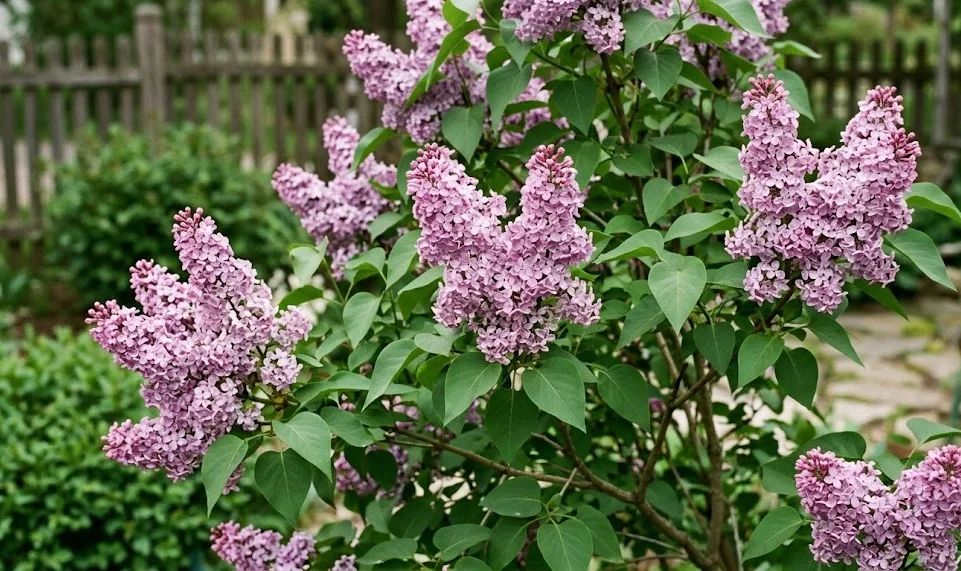

Maintaining the health of these ornamental shrubs requires a vigilant eye and a basic understanding of the common pathogens that target them. While they are generally sturdy, certain environmental conditions can trigger outbreaks that threaten the aesthetic and structural value of the plant. You must be able to distinguish between minor cosmetic issues and serious threats that require immediate intervention. A proactive management strategy is the best defense against the various ailments that can affect your garden.
Identifying and managing powdery mildew
Powdery mildew is perhaps the most recognizable disease associated with these plants, appearing as a white, flour-like dusting on the leaves. You will typically see this fungal infection in the late summer when the days are warm and the nights are humid. While it is often considered a cosmetic issue, a severe case can interfere with photosynthesis and weaken the shrub over several seasons. The fungus thrives in shaded areas where air circulation is restricted by dense foliage or nearby structures.
To manage powdery mildew, you should first focus on cultural controls that change the environment in favor of the plant. You must ensure that the shrub is planted in full sun and that you prune it regularly to allow light and air into the center. Thinning out the oldest branches creates a more open canopy that dries out quickly after rain or dew. If the infection is purely aesthetic and occurs very late in the season, you may choose not to treat it at all.
For more proactive management, you can use organic sprays like neem oil or a simple baking soda solution to create an inhospitable environment for the spores. You should apply these treatments at the first sign of the white patches to prevent the fungus from spreading to the entire plant. It is important to coat both the tops and the undersides of the leaves for maximum effectiveness. Consistent application throughout the humid weeks of August can keep the foliage looking green and healthy.
Hygiene is also a vital part of controlling the lifecycle of this fungus in your garden. You should rake up and dispose of all fallen leaves in the autumn to remove the overwintering spores from the site. Do not add these infected leaves to your home compost pile unless you are certain it reaches temperatures high enough to kill the fungi. Starting each spring with a clean slate significantly reduces the pressure of powdery mildew in the following year.
More articles on this topic
Combating bacterial blight
Bacterial blight is a more serious condition that can cause significant dieback if it is not addressed quickly. You will notice dark, water-soaked spots on the young leaves and shoots, which eventually turn black and shrivel up. This disease is most active during cool, wet spring weather when the bacteria can easily move through splashing rain. In severe cases, the entire new growth of a branch can be killed, giving it a scorched or “burnt” appearance.
The primary way to handle an outbreak is to prune out the infected tissue as soon as you identify it. You must cut at least six to eight inches below the visible damage to ensure you have removed all the bacterial colonies. It is absolutely critical that you sanitize your pruning tools with alcohol or a bleach solution between every single cut. Failure to do so will simply spread the bacteria to healthy parts of the plant or other shrubs in your garden.
Cultural prevention is also key to minimizing the impact of bacterial blight on your collection. You should avoid overhead watering, which creates the wet conditions that the bacteria need to thrive and spread. Instead, use a soaker hose or direct the water at the base of the plant to keep the foliage as dry as possible. Ensuring the plant has adequate spacing for airflow will also help the new shoots dry out quickly after spring showers.
In areas where bacterial blight is a recurring problem, you might consider using a copper-based fungicide as a preventative measure. You should apply this in the early spring just as the buds are beginning to swell, which provides a protective barrier against infection. However, chemical treatments should always be a secondary option to good cultural practices and sanitation. Keeping your plants vigorous through proper nutrition also helps them naturally resist bacterial invasions.
More articles on this topic
Dealing with scale insects and borers
Scale insects are small, immobile pests that attach themselves to the bark and suck the sap from the plant’s vascular system. You might notice them as small, crusty bumps on the stems that can eventually lead to branch dieback and yellowing leaves. Because they are protected by a waxy shell, they can be difficult to control once they are fully established. A heavy infestation can significantly drain the energy of the shrub and make it more vulnerable to other stresses.
The best time to treat scale is during their “crawler” stage in late spring or early summer when the young insects are mobile and lack their protective armor. You can use horticultural oils or insecticidal soaps to suffocate the crawlers before they settle down. If the infestation is limited to a few branches, the simplest solution is often to prune out and destroy the affected wood. Monitoring the bark of your shrubs during the dormant season can help you spot the problem early.
Borers are even more destructive, as the larvae of these insects tunnel directly into the heartwood of the main stems. You should look for small exit holes in the bark and piles of “frass,” which looks like sawdust, at the base of the plant. Infested branches will often wilt suddenly in the middle of summer and may eventually break off during a storm. Borers are most attracted to plants that are already stressed by drought or poor planting conditions.
To prevent borer damage, you must focus on keeping your shrubs as healthy and hydrated as possible. Healthy plants can sometimes “pitch out” the larvae with sap, preventing them from establishing a tunnel. If you find a borer hole, you can sometimes kill the larvae inside with a thin wire, but heavily infested trunks should be removed entirely. Maintaining a thick layer of mulch and providing regular water during droughts are your best defenses against these hidden killers.
Leaf-mining moths and chewing pests
Leaf miners are small larvae that live between the upper and lower surfaces of the leaf, creating winding trails or blotches. You will see these translucent or brown “mines” as the larvae eat the internal tissue while remaining protected from many predators. While a few mines are mostly a cosmetic issue, a massive population can cause the leaves to drop prematurely. This can reduce the plant’s ability to store energy for the winter and impact the following year’s bloom.
You can often control leaf miners by simply picking off and destroying the affected leaves as soon as the mines appear. Since the larvae are inside the leaf, contact sprays are generally ineffective once the damage is visible. Encouraging natural predators like parasitic wasps in your garden can provide a long-term biological control solution. If the problem becomes chronic, you may need to look at the timing of the adult moth’s activity to intervene earlier in the cycle.
Other chewing pests, such as various caterpillars or beetles, can also target the foliage during the summer months. You should inspect your plants regularly for missing leaf segments or jagged edges that indicate active feeding. Most of the time, these pests can be removed by hand or deterred with organic repellents if their numbers are small. In a balanced garden ecosystem, birds and beneficial insects will often keep these populations in check without your help.
The key to managing all chewing pests is consistent observation and early intervention. You should look for clusters of eggs on the undersides of the leaves during your weekly garden walks. By removing the eggs before they hatch, you can prevent a large-scale defoliation event before it even starts. Understanding the local pest cycles in your area will help you know exactly when to be most vigilant.
Integrated pest management strategies
A professional approach to plant health involves using Integrated Pest Management (IPM), which prioritizes the least toxic methods first. You should start by ensuring your plants are in the best possible environment to support their natural defenses. This includes proper siting, correct watering, and the avoidance of over-fertilization, which can produce soft, attractive growth for pests. A healthy plant is much more resilient and requires fewer interventions than one that is constantly under stress.
Regular monitoring is the second pillar of a successful IPM strategy in the home garden. You should not wait for a plant to look sickly before you start checking for signs of trouble. By identifying issues at their earliest stages, you can often solve the problem with simple mechanical or cultural adjustments. This might involve increasing the airflow, adjusting the pH, or physically removing a few infested leaves.
If biological and cultural controls are not enough, you can then move to targeted treatments that have a low impact on the environment. You should choose products like horticultural oils, soaps, or botanical extracts that break down quickly and do not harm beneficial insects. Always read the label carefully to ensure the product is appropriate for the specific pest and the time of year. Avoiding broad-spectrum pesticides helps preserve the natural balance of your garden’s ecosystem.
Finally, you should accept that a small amount of insect activity and a few leaf spots are a natural part of a living garden. You do not need to aim for a “perfect” or sterile environment to have a beautiful and productive landscape. By focusing on the overall vigor of the shrub rather than individual leaves, you can create a sustainable and enjoyable garden. A thoughtful, expert approach to pest and disease management ensures that your lilacs will remain a centerpiece of your garden for years to come.